Snakes
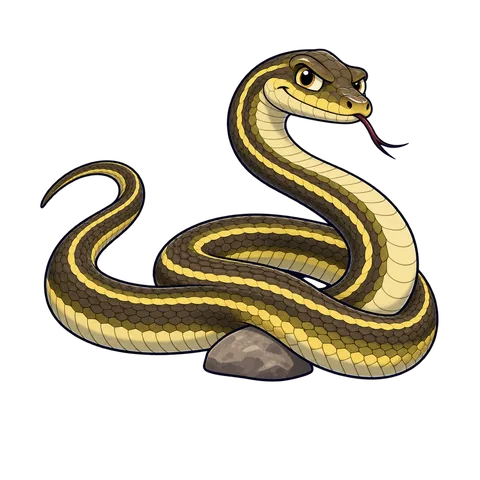
If you ever spot a long, legless shape gliding silently through your hosta bed or sunning itself on the porch steps, you are dealing with a snake. What locks these creatures into a single category is their shared lack of limbs, their dry, scaly skin, and their habit of getting around by undulating across the ground instead of walking.
You can easily tell a snake apart from other creeping or crawling visitors by looking for a few simple clues, since nothing else moves quite the same way or leaves behind smooth, S-curved drag marks in the dust without a single footprint in sight. If you happen to look closer at their droppings, snakes leave a dark, tubular scat that is almost always capped with a chalky white deposit, completely unlike the pellet-like droppings of a mouse or the four-toed tracks of a salamander, while legless lizards give themselves away by blinking with movable eyelids and turning their heads to look at you with visible ear openings that snakes never possess.