

Norway rat
Rattus norvegicus
- Size
- Not established
- Color
- Not established
- Habitat
- Commensal, subterranean burrows, urban and agricultural structures
- Diet
- Omnivorous scavenger
- Life cycle
- Year-round reproduction, altricial pups to adults
The Norway rat, known scientifically as Rattus norvegicus, is a heavy-set mammal that has quietly attached itself to human civilization for centuries. You are unlikely to spot one sunning itself on the lawn because these creatures are strictly nocturnal and prefer the shadows, but you will definitely notice their handiwork. Field identification relies almost entirely on tracking signs rather than direct visual confirmation, since live specimens actively avoid daylight and human proximity.
Identity
When you check a dusty corner of the basement or a flour-dusted run line, the track footprint features tell the story clearly. The front feet leave distinct four-toed imprints, while the hind feet register five toes, complete with claw tips. Their droppings appear as small, tubular scat pieces that dry out over time, though their color changes constantly depending on whether they raided a bag of grass seed or a discarded sandwich.
Habitat & behaviour
If you want to understand where these rats live, look for places where they can stay hidden while remaining close to a buffet. They establish subterranean burrows in soil, nest in cavities beneath concrete slabs, slip into foundation voids, and take up residence beneath unsealed lower building levels or piles of yard debris. They are creatures of strict habit, trotting along predictable daily run lines between their shelter and your pet food bowls.
Survival for Rattus norvegicus is an exercise in opportunistic commensalism, meaning they thrive wherever human structures provide warmth and consistent calories. When cold weather hits, outdoor populations accelerate their movement directly into heated basements, subfloor voids, and structural cavities. If there is a gap, crack, or entry hole measuring one-quarter of an inch or larger anywhere near the ground, they will treat it as a front door.
Visual variations
You will not find worker castes or queens running the show here, as these are standard mammals living ordinary, if destructive, lives. Their development runs from blind, hairless pups to energetic juveniles, and finally into mature adults ready to keep the cycle going whenever indoor conditions stay cozy. Both sexes share that chunky, low-to-the-ground frame designed entirely for sprinting, digging, and flattening themselves to slip through impossibly narrow gaps.
Expect them to look mostly the same whenever you catch a glimpse, though they do bulk up nicely into hefty adults when the local pantry keeps them well fed. They have no wings to speak of, so you can safely rule out any airborne surprises. If you want to check for activity without staying up all night with a flashlight, dropping a little flour along the baseboards or using non-toxic tracking blocks will show you their footprints and tail drags in no time.
Why it matters
Finding these rats around your living space or garden is bad news for your peace of mind, your walls, and your immune system. They chew on everything from floor joists and plastic water pipes to electrical wiring and drywall, leaving behind a mess of urine, grease marks, and droppings that ruin stored food.
Ignore them, and any half-hearted cleanup will just bounce right back because the surviving females simply raise larger litters when resources open up. Their dry droppings and nesting dust can carry nasty pathogens, which means you should never sweep or vacuum them dry without wearing proper protective gear. If you happen to get bitten, scratched, or start feeling sick after dealing with rodents, get in touch with a doctor, an urgent care clinic, or your local poison control center right away.
When holes in your foundation or tricky rooflines need fixing, or if the critters just refuse to leave, calling in a licensed pest control professional is the best way to handle it.
Similar species
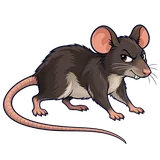 Roof ratRattus rattus
 Deer micePeromyscus species
 White-footed mousePeromyscus leucopus
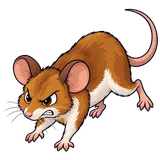 Wood mouseApodemus sylvaticus
 House mouseMus musculus