
Pigeons
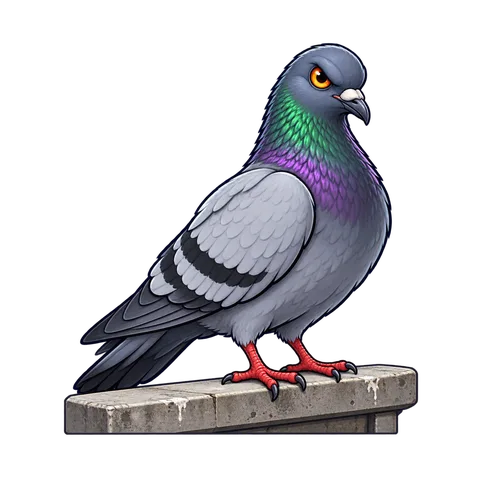
Picture opening your attic door on a warm Saturday morning and realizing a flock of stout, grey birds has turned your rafters into a permanent hotel. What pulls pigeons into a single pest group is not some complicated scientific family tree, but rather their stubborn habit of treating man made buildings like sheer mountain cliffs. These medium sized urban residents congregate on elevated architectural ledges, roof peaks, and open attic vents, leaving behind unmistakable piles of white capped droppings and building loose twig platforms where they roost year round.
Telling pigeons apart from other nuisance birds comes down to size and posture rather than guesswork. Unlike tiny house sparrows that squeeze into narrow wall voids or dark starlings that drill into small soffit gaps, pigeons are bulky, broad winged birds that prefer wide open perches and flat concrete surfaces. If you spot webbed feet or aquatic soaring habits, you are looking at gulls, and if you hear a sharp hammering on your wooden siding, you are dealing with woodpeckers instead of these non excavating squatters.
Explore pigeons
Questions about pigeons
Research sources
This page was researched with publications from these institutions, then written and reviewed by The Pest Guide Team:
- University of Wisconsin Extension
- University of Nebraska-Lincoln
- Pesticide Environmental Stewardship
- Internet Center for Wildlife Damage Management
- World Organisation for Animal Health (WOAH)
- New Mexico State University Extension