
How do you discourage pigeons from a balcony?
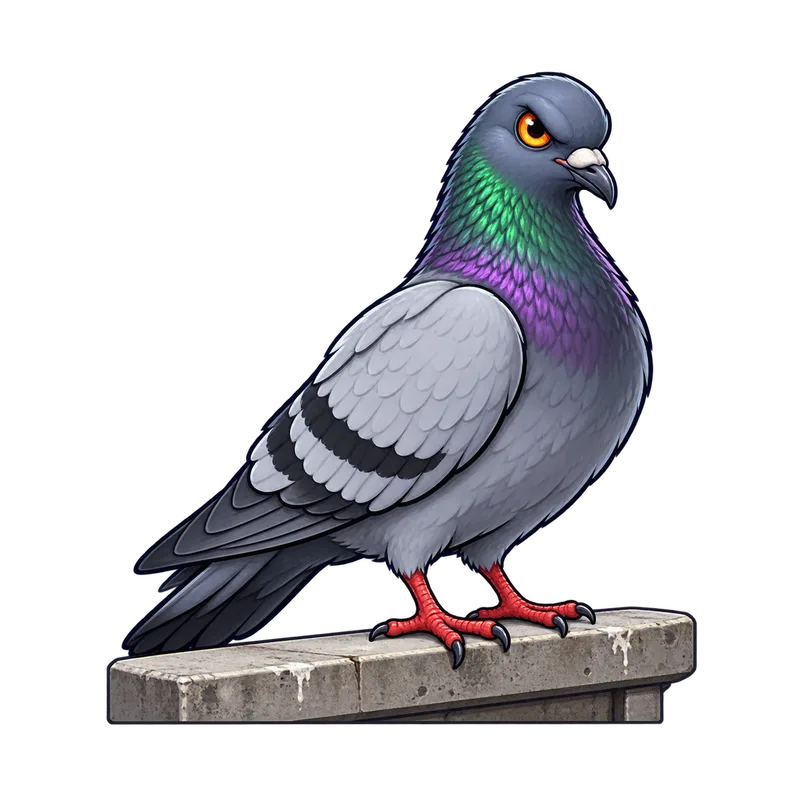
You discourage pigeons from a balcony by making your space unlivable for them through physical exclusion like bird netting, while cutting off food supplies and sanitation access. Temporary scare tactics such as plastic owls fail because the birds quickly realize the decoys pose no real threat. Success depends on whether you also secure shared building areas and follow local wildlife laws.
What is actually going on
You step out onto the balcony with your morning coffee, only to find the railing coated in a fresh layer of chalky, grayish droppings and a few stray twigs wedged behind your air conditioning unit. Pigeons have decided your outdoor space is their new luxury resort. It is easy to assume that leaving out a plastic owl or blasting a strange noise from your phone will convince them to pack their bags. In reality, urban pigeons are remarkably stubborn freeloaders. If your balcony offers a sheltered ledge that mimics a rocky cliff face, and if there happens to be an open bag of potting soil, stray crumbs, or a neighbor feeding local wildlife nearby, you are essentially running an open buffet with zero cover charge.
The main reason your balcony keeps attracting them is biological carrying capacity. That is just a fancy way of saying your space provides everything a pigeon needs to survive: shelter from the wind and food within easy flying distance. When you rely solely on temporary scare tactics, you are fighting a losing battle. Pigeons quickly realize that a stationary plastic decoy does not move, blink, or pose any actual threat. Comparing a plastic owl to a real predator is a bit like mounting a fake security camera on a wall; after a few days, the local birds figure out it is just molded plastic and will happily perch right on top of its head. Total regional elimination of pigeons is rarely achievable, so your goal is simply to make your specific balcony unlivable for them.
How to tell for sure
You usually do not need special equipment to figure out who is moving into your outdoor space. Feral pigeons are stout, medium-sized birds, usually around 30 to 35 cm in length, with short legs and that characteristic head-bobbing walk. Their plumage typically runs from a classic blue-grey with iridescent green and purple neck feathers to mottled patches of white, brown, or reddish rust. You can easily spot them on a railing or floor surface from a few meters away with the naked eye. If you are squinting at high-rise roof ledges far above you, though, you will usually need binoculars to tell them apart from other urban birds.
The most undeniable clue is not always the bird itself, but what it leaves behind. Pigeon droppings usually appear as dark piles topped with a distinct white uric acid cap. They deposit this waste right beneath their regular roosting perches and nesting sites. If you notice a heavy accumulation of multi-colored droppings concentrated on your overhead joists or balcony corners, you are dealing with an established roost. Take a close look at any birds hanging around to be sure you are not looking at a protected native species, such as a mourning dove. If you have any doubt about the exact species, it is wise to pause before taking action, because local wildlife laws usually protect native birds in ways they do not protect common feral rock doves.
What usually comes next
Once you accept that simple scare gadgets are a dead end, you have to make a practical choice between permanent exclusion and endless daily frustration. The most reliable way to reclaim your balcony is physical exclusion. Think of bird netting or rigid wire mesh as a screen door for your porch. It does not harm the birds at all, but it completely blocks their physical access to the landing spots, recessed corners, and overhead beams they need for perching and building nests.
At the same time, you have to cut off the supply lines. Sanitation is the unglamorous foundation of the whole process. Clear away any pet food bowls, secure your trash cans with tight-fitting lids, and eliminate standing water. If you live in a multi-family apartment building, individual balcony defenses sometimes fail because a neighbor down the hall is still leaving out seed or scraps. In those shared buildings, keeping the pigeons away usually requires coordinating with property management to secure the entire structure. If you do use visual deterrents like reflective Mylar tape or scare balloons to buy a little time, you have to move them to a new spot every couple of days to keep the birds guessing, because static placement fails almost immediately.
When to get help
There are moments when a simple weekend DIY project crosses the line into a hazard that requires professional hands. If your balcony is high up on a multi-story building, attempting to rig heavy netting or lean over exterior ledges puts you at a serious risk of falling. Leave that kind of high-elevation installation to a licensed wildlife control operator or a professional property maintenance crew who have the right safety gear and rigging equipment.
You also need to step back if your balcony inspection reveals active bird nests containing eggs or flightless young. Federal and state wildlife laws strictly protect native birds and active nests, meaning you cannot legally tear them down or disturb them without specific agency permits. Furthermore, large piles of accumulated bird droppings are not just an aesthetic nuisance. Dried feces can harbor fungal spores and bacteria that become airborne when disturbed. If you are facing a heavy accumulation of waste, you need to wear an N95 respirator mask and rubber gloves, lightly mist the droppings with water to suppress dust, and double-bag the material before disposal. When the cleanup job feels overwhelming, or when you are simply unsure about local regulations governing urban wildlife, call in a professional to handle the decontamination safely.