
Ants
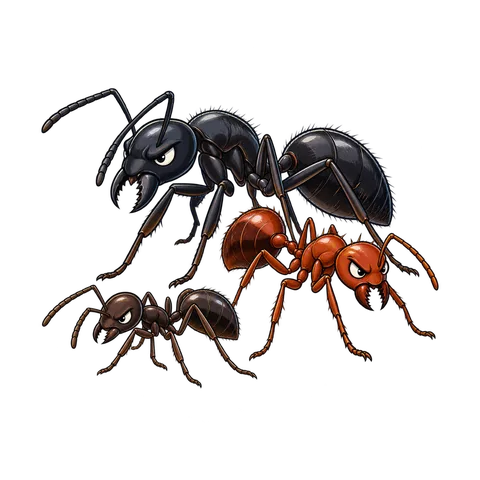
You are looking at a line of tiny insects marching across your kitchen counter toward an open sugar bowl, and you already know they are ants. What binds this massive group together under one biological banner is a remarkably distinct, narrow waist separating the thorax from the abdomen, paired with elbowed antennae that feature a long first segment. Beneath that family resemblance, though, the catalog lumps together creatures that have almost nothing else in common regarding how they live or how you deal with them. You are dealing with a strange mix of timber-excavating carpenter ants that tunnel through damp structural framing, stinging fire ants that build aggressive mounds in the yard, and tiny tramp ants that treat your pantry like an all-you-can-eat buffet.
Telling them apart from their lookalikes comes down to a few anatomical giveaways once you look closely at the specimen bothering you. If you suspect termites are eating your porch timbers instead, check the waist and wings because termites sport a thick, broad waist and four wings of equal length, whereas ants always feature that pinched waist and unequal wings. When wood damage looks mysterious, remember that wood-boring beetles chew right through timber and leave fine powdery frass behind, while carpenter ants simply carve out smooth galleries and push out piles of coarse sawdust mixed with insect parts.
Explore ants
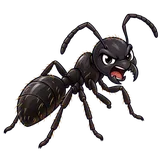 Black carpenter antCamponotus pennsylvanicus
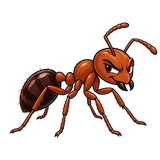 Red imported fire antSolenopsis invicta
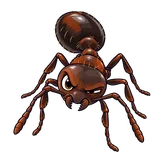 Black imported fire antSolenopsis richteri
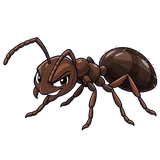 Odorous house antTapinoma sessile
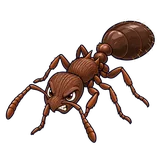 Pavement antTetramorium immigrans
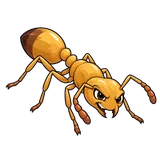 Pharaoh antMonomorium pharaonis
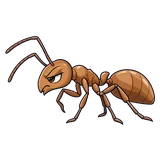 Argentine antLinepithema humile
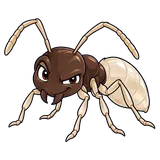 Ghost antTapinoma melanocephalum
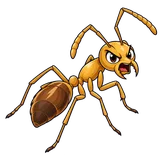 Yellow crazy antAnoplolepis gracilipes
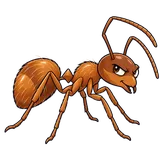 Tawny crazy antNylanderia fulva
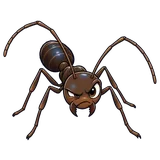 Longhorn crazy antParatrechina longicornis
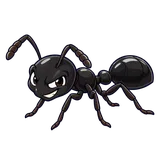 Little black antMonomorium minimum
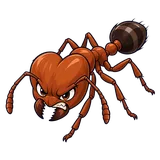 Bigheaded antPheidole megacephala
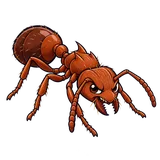 European fire antMyrmica rubra
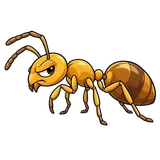 Yellow meadow antLasius flavus
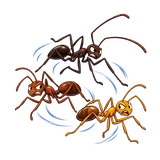 Crazy antsNylanderia, Paratrechina and Anoplolepis species