
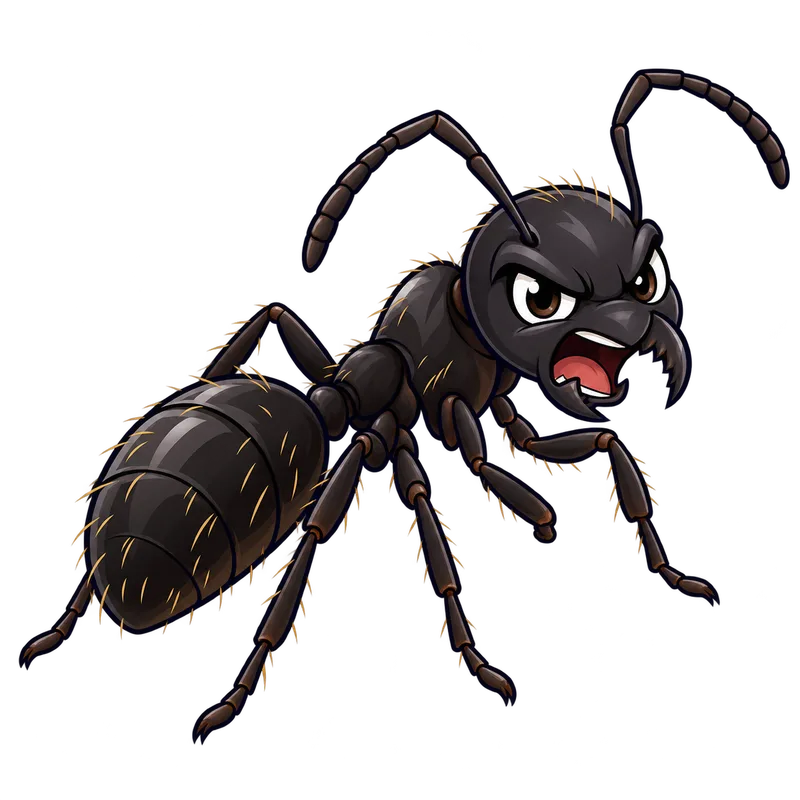
Black carpenter ant
Camponotus pennsylvanicus
- Size
- Workers 1/4 to 1/2 inch, queens up to 3/4 inch
- Color
- Dark brown to jet black throughout
- Habitat
- Forests, dead trees, structural timber, and buildings up to 5,500 feet elevation
- Diet
- Honeydew, insects, and household food scraps, but wood is not eaten
- Life cycle
- Sixty-six days total development time at 70 to 90 degrees Fahrenheit
The black carpenter ant is a large insect found across the eastern and central United States, often first noticed when it wanders across a kitchen counter. To confirm what you are looking at, check the waist for a narrow, pinched shape featuring a single upright node between the middle body segment and the abdomen. The antennae are elbowed, bending sharply after a long first segment. Workers range from one-quarter of an inch for minor foragers up to half an inch for major defenders, while a founding queen can measure a full three-quarters of an inch. If you happen to spot winged reproductives in the spring or summer, you will notice their front wings are distinctly larger than their back wings, and when folded, those wings rarely extend past the tip of the belly.
Habitat & behaviour
You will find these ants nesting in dead standing trees, rotting logs, or stumps outdoors, but they frequently move indoors when structural timber has been softened by moisture. A leaky roof or a damp window frame acts like an open invitation. They are primarily nocturnal foragers, meaning the workers slip out of sight during the day and patrol your kitchen counters or baseboards after dark in search of sweets, proteins, and the sugary secretions produced by aphids. Contrary to popular belief, they do not actually eat wood. They chew through timber solely to carve out nesting galleries, rejecting cellulose as a food source and instead pushing the excavated material out through tiny slit openings in the form of coarse sawdust and wood shavings mixed with discarded ant parts.
Visual variations
Colonies are polymorphic, meaning the insects come in different shapes and sizes depending on their job. Minor workers are small and slender, handling brood care and internal nest maintenance. Intermediate workers take care of general foraging. Major workers are heavy-set insects with oversized heads and massive jaws built for excavating tough timber and defending the colony. Reproductive members of the colony include winged males and virgin queens that emerge during nuptial flights. Once a queen mates, she sheds her wings permanently and swells in size to dedicate the rest of her life entirely to laying eggs, while the winged males die shortly after mating.
Why it matters
Finding these ants indoors usually means you are dealing with a satellite nest connected to a larger parent colony hidden outdoors in a tree stump or woodpile. While they do not sting, major workers can deliver a sharp, painful bite with their powerful jaws and spray formic acid into the wound. More importantly, a large, established colony can hollow out framing studs, joists, and roof trusses over several years, compromising the structural stability of a building. When you suspect an infestation, proper identification separates carpenter ants from subterranean termites, which leave behind mud tubes, and from carpenter bees, which bore perfectly round half-inch holes into exposed wood.
Similar species
 Red imported fire antSolenopsis invicta
 Black imported fire antSolenopsis richteri
 Odorous house antTapinoma sessile
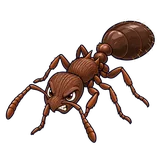 Pavement antTetramorium immigrans
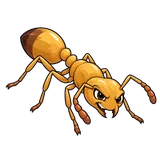 Pharaoh antMonomorium pharaonis
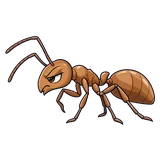 Argentine antLinepithema humile