
Ghost ants vs sugar ants: are these the same name?
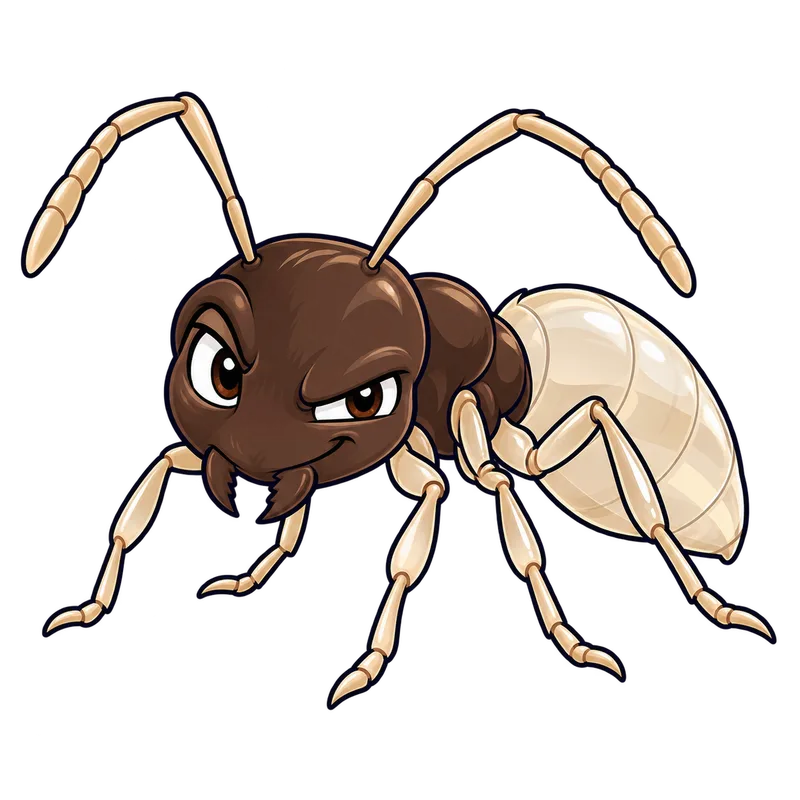
No, ghost ant and sugar ant are not the same name. Ghost ant is the accepted common name for a specific insect species, while sugar ant is a loose umbrella term used in North America for almost any small pantry pest.
What is actually going on
Picture walking into the kitchen on a warm Saturday morning, reaching for the coffee canister, and noticing a tiny pale speck darting across the dark granite countertop. Look a little closer and you realize it is moving with purpose, followed by a few others of its kind. It looks like a grain of sugar with legs, and when it crosses into a shadow, it almost seems to vanish. You might wonder if you are looking at a classic sugar ant, but the reality behind these names is a bit more tangled than a casual kitchen conversation suggests.
No, ghost ant and sugar ant are not the same name. Ghost ant is the accepted common name for a single, specific insect species known scientifically as Tapinoma melanocephalum. Sugar ant, on the other hand, is a loose, unspecific label. In North America and parts of Europe, homeowners use it as an umbrella term for almost any small, uninvited guest raiding the pantry for sweets. Meanwhile, in Australia, the same phrase formally points to native Camponotus species, which are massive forest and garden dwellers rather than tiny household ghosts.
Using these terms interchangeably creates real confusion. Treating a tiny ghost ant colony the same way you would handle a large carpenter ant nest leads to wasted time and frustrated weekends. When you understand what is actually crawling across your tile, you stop guessing and start dealing with the real issue, which saves you from buying the wrong treatments and making the infestation worse.
How to tell for sure
Before you reach for any treatments, you have to look closer at what is in front of you. Identification always comes first, and a quick glance usually will not cut it when you are dealing with tiny insects.
Ghost ants workers usually measure just 1.5 to 3 millimeters long, making them tiny enough to slip beneath the threads of a jar lid. Their most striking feature is the color contrast, with a dark head and thorax attached to a pale, translucent, milky-white abdomen and legs. Because that rear section is nearly see-through, they seem to ghost in and out of view on light or dark surfaces.
If you are dealing with what people call a sugar ant in North America, you might actually be looking at Argentine ants or Pharaoh ants, which are uniformly brown and slightly sturdier. If you are in Australia, your native sugar ants are a different league altogether, often growing much larger and showing distinct coloration, sometimes with banded bodies that look nothing like a ghost ant.
People often confuse ants with termites, especially when winged reproductives show up near a windowsill. You can usually tell them apart by looking at their body plan. True ants feature elbowed antennae, a distinctly pinched waist, and front wings that are noticeably longer than their hind wings. Termites have straight antennae, thick straight waistlines, and four wings of equal length stacked flat over their backs.
When you need to separate tricky ant groups, you usually have to look at the tiny bump between the thorax and the abdomen, known as the pedicel. Fire ants usually show two distinct nodes there, while carpenter ants show a single upright node, and ghost ants have a reduced or hidden node that requires magnification to make out. Never try to identify an ant from a skin mark or a bite description. If you cannot spot the physical traits with a magnifying glass, a professional entomologist or pest specialist might need a microscope to confirm the exact species.
What usually comes next
Once you have a decent idea of what is crawling around, you have to make a practical choice about how to handle them. The most common trap is grabbing a standard aerosol spray off the shelf and going to town on the marching trail. With certain species, that approach usually backfires.
Ghost ants and Argentine ants reproduce through a process called budding, where a single colony splits into multiple satellite nests when threatened. If you spray a repellent contact insecticide directly on a foraging trail, you often shock the colony into scattering. Suddenly you have five active ant problems where you used to have one, turning a localized kitchen nuisance into a whole house headache.
For indoor sweet-seeking ants, slow-acting liquid baits usually offer a better path. Foraging workers feed on the sweet liquid and carry it back to share with the queen and the rest of the nest through mouth-to-mouth liquid exchange. It takes patience, as you have to let them feed undisturbed for days, but it targets the source rather than just the scouts on the counter.
No matter what you choose, the pesticide product label is a legal document that governs every single application. Never try to invent a custom mixture, change concentrations, or use a product in a way the label forbids. Pair any baiting strategy with strict sanitation. Seal your sugar, flour, and cereal in airtight containers, wipe up sticky spills immediately, and fix any leaky plumbing that offers a water source.
When to get help
There are moments when a DIY approach is not enough and you need to hand the problem over to someone else. If you notice large ants chewing through structural wood, or if you find piles of coarse wood shavings beneath baseboards or window frames, you might be dealing with carpenter ants. Unlike ghost ants, carpenter ants excavate wood to build their nests, and they require a thorough inspection from a licensed pest management professional to protect your home's framing.
Health and safety concerns also call for outside help. If someone in the home experiences an allergic reaction, breathing trouble, or severe swelling from an ant bite or sting, contact a clinician, urgent care service, or poison control center right away. Fire ants, in particular, can deliver painful stings that leave burning pustules and trigger severe immune responses in sensitive individuals.
Keep all insecticide baits and treatments strictly out of reach of children and household pets. If an infestation persists despite your best efforts with sanitation and baits, or if nests are hidden deep within wall voids, bringing in a licensed professional ensures the problem gets resolved safely and effectively.