
What should you consider before treating fire ants in a Texas lawn?
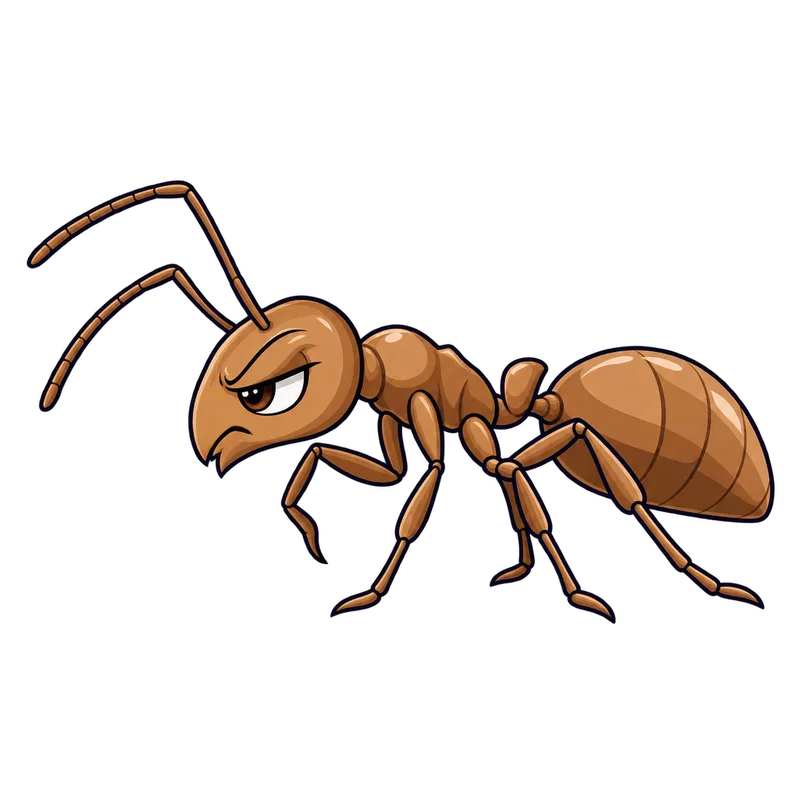
Before treating red imported fire ants in a Texas lawn, you must confirm the insect identity by checking for two nodes on the waist. You also need to check household allergy risks, choose the right pesticide based on ant behavior, and follow local safety and environmental rules.
What is actually going on
Picture stepping out onto your patio on a warm Texas morning with a cup of coffee, only to spot a fresh, dome-shaped mound of dirt right in the middle of your otherwise pristine St. Augustine grass. Before you reach for the nearest chemical spray in the garage, you have to pause and consider a few ground rules. Treating fire ants in a Texas lawn is not just a matter of dumping a bag of poison on the nearest anthill and hoping for the best.
Instead, a successful approach requires you to confirm what bug you are actually looking at, check whether anyone in your household has a dangerous allergy to stings, pick the right type of pesticide based on how ants behave, and follow local safety and environmental rules. If you skip these steps, you might end up wasting money, worsening the infestation, or putting your kids and pets at risk.
Why do people get this wrong so often? Most homeowners assume any stinging insect or dirt mound in the yard belongs to the red imported fire ant, and they immediately grab a fast-acting contact spray. That impulsive reaction usually backfires because surface sprays only kill the foragers you can see while leaving the queen safe underground, which often causes the colony to split and rebuild a few feet away.
How to tell for sure
Before you apply anything to your turf, you usually need to inspect the insects up close. Fire ants are invasive pests brought over from South America, and they love the sunny, open spaces found in Texas lawns, pastures, and parks. To tell them apart from native ants, carpenter ants, Argentine ants, or even subterranean termites, you have to look at their anatomy.
Grab a hand lens or a jeweler's loupe, the kind you would use to inspect the fine print on a watch or a piece of jewelry. Look at the waist of the ant, specifically the structural segments connecting the thorax to the abdomen, which scientists call the pedicel. Fire ants possess exactly two distinct nodes on that waist.
If you look at subterranean termite workers, by contrast, they have no waist at all, along with straight, bead-like antennae and no eyes. Carpenter ants and Argentine ants only have a single node on their waist. Fire ants also feature elbowed antennae and compound eyes, and they will aggressively swarm and sting if their mound is disturbed.
You also need to understand what happens if things go wrong. Fire ant venom consists mostly of potent piperidine alkaloids rather than the protein-based venom found in bees and wasps. When they sting, they produce an immediate burning sensation followed within 24 hours by a sterile, itchy, pus-filled blister. For most people, it is just an annoyance. However, for hypersensitive individuals, stings can trigger systemic anaphylaxis within ten to thirty minutes, causing severe airway swelling and respiratory failure that requires emergency medical care.
What usually comes next
Once you confirm you are dealing with fire ants and have evaluated any health risks in your household, you have to make a practical choice about how to treat them. This is where modern pest management principles come into play, meaning pesticides should serve as a targeted tool rather than a knee-jerk reaction.
You generally want to choose between slow-acting baits and fast-acting contact insecticides. Slow-acting baits use active ingredients like spinosad, indoxacarb, or hydramethylnon. Think of how these baits work like passing a shared dish around a family dinner table. Foraging workers pick up the bait and share it through food exchange with the rest of the colony, eventually reaching the queen and wiping out the nest from the inside. These baits require dry grass and active foraging to work properly, and you should never apply them right before a heavy Texas rainstorm or lawn watering.
On the other hand, fast-acting contact sprays or dusts kill surface ants quickly, but they can act as repellents or cause workers to stop digging and move the colony elsewhere. Whatever product you choose, the product label is the absolute law. You must read the directions for application rates, safety gear, and disposal. After treating the grass, place bright warning flags across the area, similar to putting up a fresh paint sign on a porch railing. Keep those flags in place for a couple of days to warn neighbors, children, and pet owners to stay off the grass. Never use banned historical chemicals like chlordane or dieldrin, and never pour leftover mixtures down household drains or storm sewers.
When to get help
There are times when a do-it-yourself approach is simply not enough and you need to hand the job over to someone else. If you share your property with someone who has a known, life-threatening allergy to insect stings, relying on slow broadcast treatments around the yard leaves an unacceptable window of risk. In that situation, you should engage a licensed pest control operator for professional mound treatments and ensure a prescription epinephrine sting kit remains readily accessible.
You should also call in a professional if you are dealing with widespread, heavy infestations across a large commercial property, or if your lawn sits right next to a school, a daycare facility, or a public park where local regulations require commercial licensing. Properties featuring complex environmental sensitivities, such as shallow water wellheads, drainage ditches, or ponds, also demand professional judgment to prevent toxic runoff. If anyone at home exhibits dizziness, widespread hives, facial swelling, or wheezing after a sting, bypass the garden hose and call emergency services immediately, as rapid medical intervention is the only safe response to a severe systemic reaction.