
When should an ant infestation be inspected professionally?
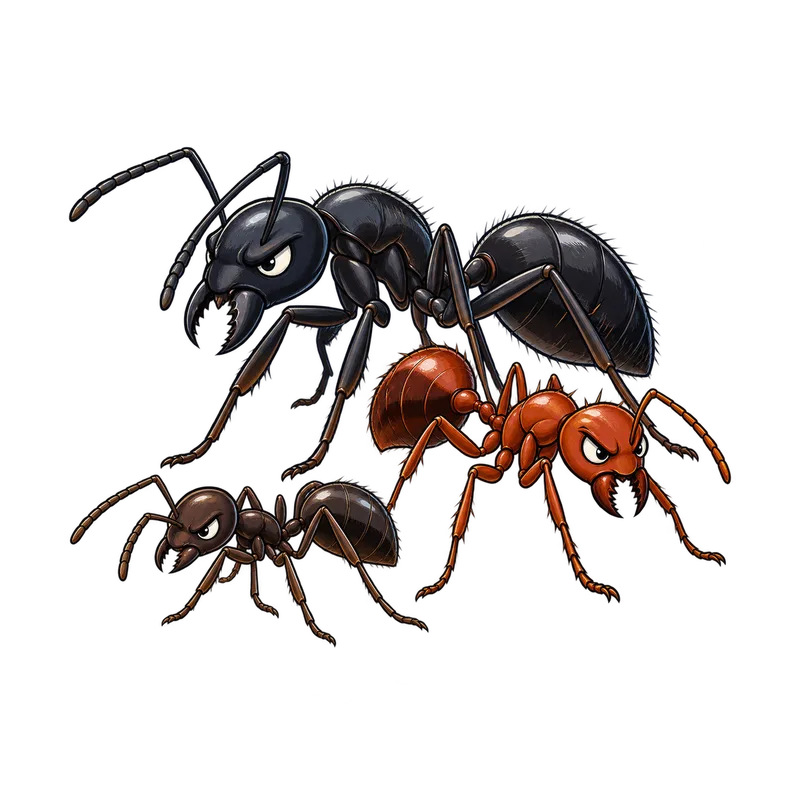
Yes, an ant infestation should be inspected professionally once ants start leaving behind physical debris like fibrous wood shavings, or when winged versions of them start fluttering around your living room windows in the spring. You also need professional help if you discover piles of discarded wings on your window sills, or if you keep seeing fresh sawdust reappear after you clean it up.
What is actually going on
You are standing in the hallway on a Tuesday morning, brushing your teeth, when you notice a small pile of what looks like coarse brown sawdust sitting right at the base of the trim. You wipe it away, figuring it drifted down from an old shelf. By Thursday morning, the pile is back, exact and deliberate, as if someone spent the night whittling a toothpick behind your drywall.
That is usually the moment a homeowner wonders if it is time to call in someone who does this for a living. The answer is yes, absolutely, once ants start leaving behind physical debris like fibrous wood shavings, or when winged versions of them start fluttering around your living room windows in the spring.
Ants in a house are annoying enough when they march across the kitchen counter for a forgotten sugar cube, but structural wood-damaging ants operate on a different level. Unlike termites, which actually digest wood cellulose for food, carpenter ants carve out wooden galleries strictly to build a home for their growing brood. They act like tidy contractors during a kitchen remodel, pushing all their construction waste out of tiny slits in the woodwork and onto your floor below.
The trouble with these colonies is that they rarely live in just one spot. You are usually dealing with a dual-nest architecture, meaning a parent queen lives outdoors in a damp tree stump or rotting landscape timber, while an indoor satellite nest thrives inside a dry wall void or ceiling insulation, housing workers, pupae, and winged reproductives. Spraying the ants you can see on the baseboard with an aerosol can is like yelling at the commuters on a crowded train without realizing the train depot is miles away. It kills the foragers, but the main operation keeps humming along behind the drywall.
How to tell for sure
Before you call a professional, it helps to know what you are actually looking at, because misidentifying the culprit can send you down the wrong path entirely. People routinely mistake swarming winged ants for termites, which leads to the wrong chemical treatments and unnecessary structural wear.
You can usually tell ants from termites by looking at a few basic body parts. Ants have a narrow, pinched waist between the thorax and the abdomen, while termites have a thick, blocky waist. If you happen to catch one up close, look at its feelers. Ants have elbowed, bent antennae, while termites sport straight, beadlike ones. If they have wings, check the pairs. Winged ants have front wings that are noticeably longer than their back wings, whereas termites have four wings of equal length and shape.
The debris they leave behind tells a clear story, too. Carpenter ants push out piles of coarse, fibrous wood shavings that often get mixed with discarded insect parts like stray legs and heads. If you slice open a gallery, you will find it sandpaper-smooth and polished, completely free of mud or dirt. That sets them apart right away from subterranean termites, which line their mud-plastered galleries with dark fecal deposits, or drywood termites, which leave behind hard, six-sided pellets.
Another clue is moisture. Carpenter ant queens usually start their colonies in damp, weathered wood where leaks have softened the timber, but mature colonies expand easily into sound, dry framing. If your timber moisture content is climbing or you have active roof leaks, you have a welcoming environment for them.
What usually comes next
Once you spot the signs of a mature colony or notice persistent ant trails emerging from electrical outlets and plumbing penetrations despite your best cleaning efforts, you have to decide how far to take the defense.
The main choice is figuring out whether you are dealing with casual nuisance foragers or an established structural colony. Small pavement ants marching in from the garden to steal crumbs do not tunnel into framing and can usually be handled with simple kitchen sanitation and consumer baits. But when you find piles of coarse sawdust beneath baseboards, or hear faint rustling and ticking sounds inside your wall voids at night, consumer sprays will not cut it.
A professional inspection is the logical next step because technicians bring specialized tools that a homeowner simply does not have lying around in the garage. They use electronic moisture meters to map out hidden water pockets, acoustic stethoscopes to listen for chewing and movement inside closed cavities, and sounding probes to test the integrity of framing timbers. They trace the trails back to the outdoor primary source and the indoor satellite nests, ensuring that any chemical application follows the exact wording of the pesticide product label. The label is the law regarding pest control, and custom home brews or off-label concoctions are both illegal and ineffective.
When to get help
There are moments when a simple household pest issue crosses the line into a situation that requires outside experts, whether that means a pest technician, a clinician, or a structural engineer.
Call a professional pest control operator immediately if you find swarms of large winged ants inside your living spaces, if you discover piles of discarded wings on your window sills, or if you keep seeing fresh sawdust reappear after you clean it up. If you are buying a home, formal timber pest inspections are standard practice to uncover hidden damage before you sign the paperwork.
Safety also demands caution with your health and your home. If anyone in the house suffers an allergic reaction from an ant bite, or if you suspect any kind of pesticide exposure, skip the internet and contact a physician, urgent care facility, or poison control center right away. If you suspect your pest problem shares a wall void with protected wildlife like nesting bats or birds, check local wildlife regulations before any treatment begins.
Finally, keep in mind that a pest technician is trained to find the insects and assess the extent of the damage as slight, moderate, or extensive, but they are not structural engineers. If the colony has chewed through major load-bearing timbers, you will need to bring in a licensed builder or structural engineer to evaluate the framing safety and calculate the actual cost of repairs.