
Moths & Butterflies
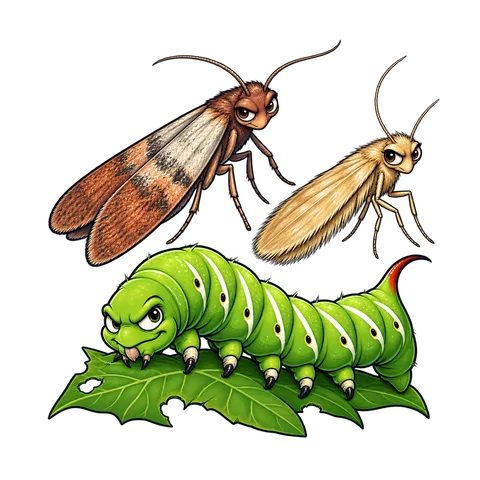
What ties these insects together isn't just the dusty wings you see fluttering toward the porch light at night, but a remarkably hungry life cycle where the adult mostly sips nectar while the caterpillar stage does all the heavy structural or garden damage. Across all the species in this group, from the pantry visitor chewing through your flour to the green hornworm stripping your tomatoes bare, you are looking at creatures that undergo complete metamorphosis and rely on chewing mouthparts and specialized silk glands during their larval run.
While science groups them all under moths and butterflies, you are really dealing with very different worlds here, including pantry cupboards, bedroom closets, lawns, vegetable patches, and tree canopies. If you find a crawling pest in the house and want to make sure it actually belongs in this group rather than being a beetle grub or a fly maggot, check the belly. True caterpillars in this family have three pairs of jointed legs up front and fleshy abdominal prolegs equipped with tiny gripping hooks further back, which instantly separates them from legless maggots or multi-legged sawfly larvae.
Explore moths & butterflies
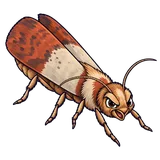 Indianmeal mothPlodia interpunctella
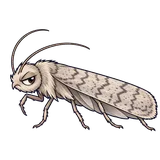 Mediterranean flour mothEphestia kuehniella
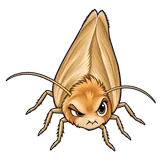 Webbing clothes mothTineola bisselliella
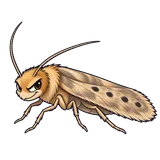 Casemaking clothes mothTinea pellionella
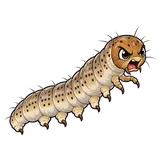 Sod webwormsFamily Crambidae
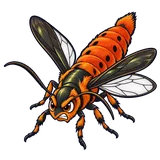 Squash vine borerMelittia cucurbitae
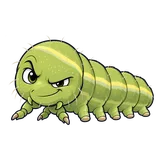 Imported cabbagewormPieris rapae
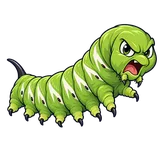 Tomato hornwormManduca quinquemaculata
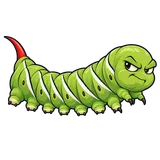 Tobacco hornwormManduca sexta
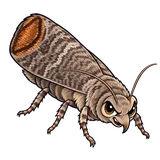 Codling mothCydia pomonella
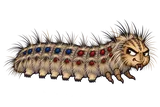 Spongy mothLymantria dispar
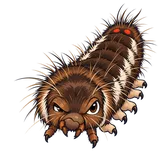 Browntail mothEuproctis chrysorrhoea
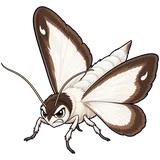 Box tree mothCydalima perspectalis
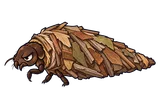 BagwormThyridopteryx ephemeraeformis
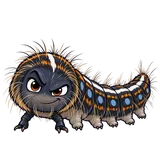 Eastern tent caterpillarMalacosoma americanum
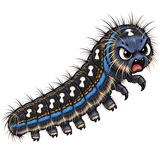 Forest tent caterpillarMalacosoma disstria
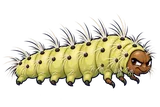 Fall webwormHyphantria cunea
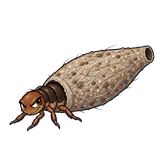 Household casebearer (plaster bagworm)Phereoeca uterella