
Are small moths in a kitchen pantry moths or clothes moths?
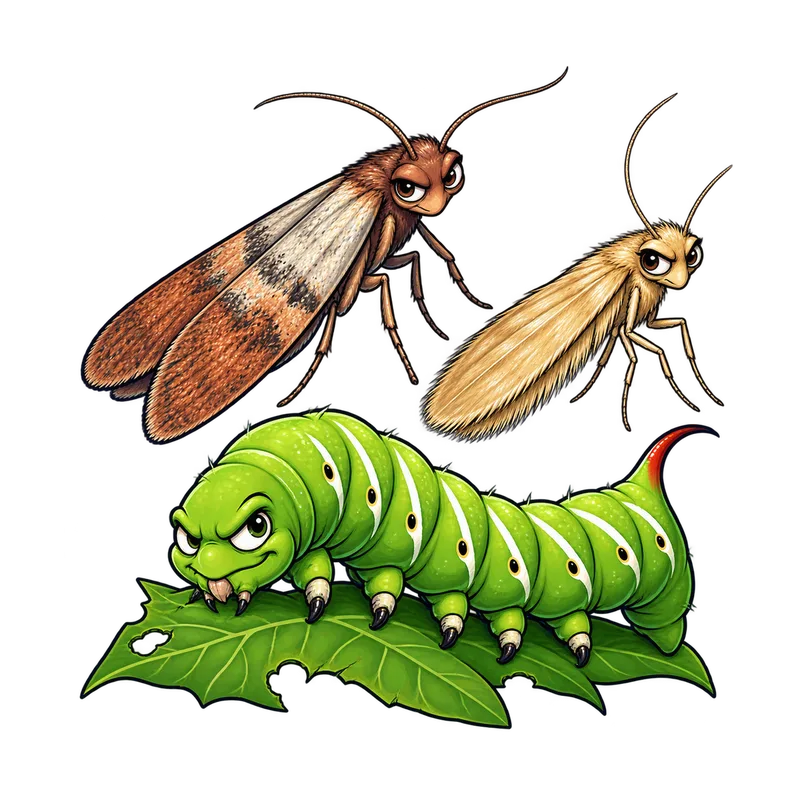
Small moths flying in a kitchen pantry are pantry pests like the Indian meal moth rather than clothes moths. Pantry moths feed on grains and processed foods, while clothes moths feed exclusively on animal-derived keratin proteins like wool and silk and do not infest dry foodstuffs.
What is actually going on
You open the pantry to grab a bag of flour for Sunday pancakes, and a tiny, pale insect flutters out, landing right on the cereal boxes. You swat at it, look closer, and wonder if your wool sweaters hanging in the bedroom closet are suddenly in mortal danger. Small moths flying in or near a kitchen pantry are almost invariably pantry pests, most commonly the Indian meal moth, which feeds on grain, seed, and processed food products. Clothes moths feed exclusively on animal-derived keratin proteins like wool, fur, silk, and feathers, actively avoid light, and do not infest dry foodstuffs. It is easy to lump every small moth in the house into one annoying category, but their habits and addresses keep them strictly separated.
The moth buzzing around your spice rack is likely an Indian meal moth, a creature that cares nothing for your cashmere scarf and everything about your open bag of oats or box of raisins. These pantry invaders usually arrive home in grocery packaging, quietly biding their time as microscopic eggs before hatching into hungry caterpillars that chew through cardboard, plastic wrap, and dry goods. People often panic and check their winter coats the second they see a moth in the kitchen. But clothes moths have a completely different lifestyle. They belong to a separate family of insects that shuns open spaces, preferring the pitch-black interior of a wardrobe, the folds of a wool blanket in storage, or the dark underside of a heavy rug. Why would a clothes moth visit the kitchen anyway? The short answer is they usually do not. Unless you store taxidermy, loose feathers, or animal-hair brushes next to the canned tomatoes, clothes moths have no business near your food storage. The ones flying near your kitchen ceiling are looking for a mate or a light source, not a meal of flour. Notice how the two species choose completely different corners of the home. One is a kitchen creature through and through, while the other lives in dark textile storage.
How to tell for sure
Telling them apart usually comes down to appearance and behavior, and you do not need a microscope for the basic check. Look at the wings first. An Indian meal moth usually displays a distinct two-toned look, as if someone dipped the bottom half of its wings in pale grey and the tips in copper or bronze. Clothes moths are smaller and usually a uniform buff, golden-buff, or silvery-grey color without those bold color bands. Watch how they move. Indian meal moths are erratic fliers that often wander into lit rooms, kitchens, and open spaces, sometimes fluttering right around the ceiling light. Clothes moths, by contrast, rarely fly around in the open. When you disturb their dark hiding spots in a closet, they tend to scurry or make short, fluttery hops, quickly diving back into the shadows. If you are inspecting food packaging, pantry moths leave behind loose silken webbing and tiny, sand-like droppings that look like spilled pepper inside the grain. Clothes moths leave behind bare patches on woolens, along with tiny silk feeding tubes or cases. Adult moths of either kind do not possess functional mouthparts for eating clothes or food. All the damage is committed strictly by the feeding caterpillar stage.
What usually comes next
Once you confirm you are dealing with pantry moths rather than fabric pests, the next step usually involves emptying the affected cabinets and tossing compromised items into an outdoor trash bin. You might wonder if you need to throw out every single item in the pantry, but uninfested foods sealed in heavy glass, metal, or rigid plastic containers with tight rubber seals are usually safe. The culprits typically target grains, flour, pet food, nuts, birdseed, and dried fruit left in their original paper or thin plastic wrappers. Vacuuming the shelves, cracks, and corners of the pantry removes stray eggs and larvae hiding in the seams. If you want to treat suspect dry goods or small items without chemicals, freezing them at zero degrees Fahrenheit for several days usually kills all life stages. Just remember to let items warm up inside their sealed plastic bags before opening them, stopping kitchen condensation from ruining your dry goods. For clothes moths in other parts of the house, freezing works similarly for washable woolens, while dry cleaning handles structured garments. Remember that pesticide labels govern all chemical uses legally, and you should never apply insecticides directly to food, food-contact surfaces, or clothing.
When to get help
Most household moth issues yield to thorough cleaning, better food storage, and patience. However, certain situations call for an outside perspective. If you notice a massive, recurring infestation spreading across multiple rooms, inside wall voids, or through heating ducts, a professional pest control operator can locate hidden breeding sites that standard kitchen cleanouts miss. Specialized collections, museums, or commercial food facilities also require professional management. For suspected biosecurity threats like the Khapra beetle, whose larvae pose serious health risks through barbed hairs and can devastate stored grain supplies, report findings immediately to your national agricultural authority. If you or someone in your home experiences persistent skin rashes or respiratory irritation near stored products, consult a qualified clinician rather than trying to diagnose the issue yourself.