
Do clothes moth traps tell you where larvae are feeding?
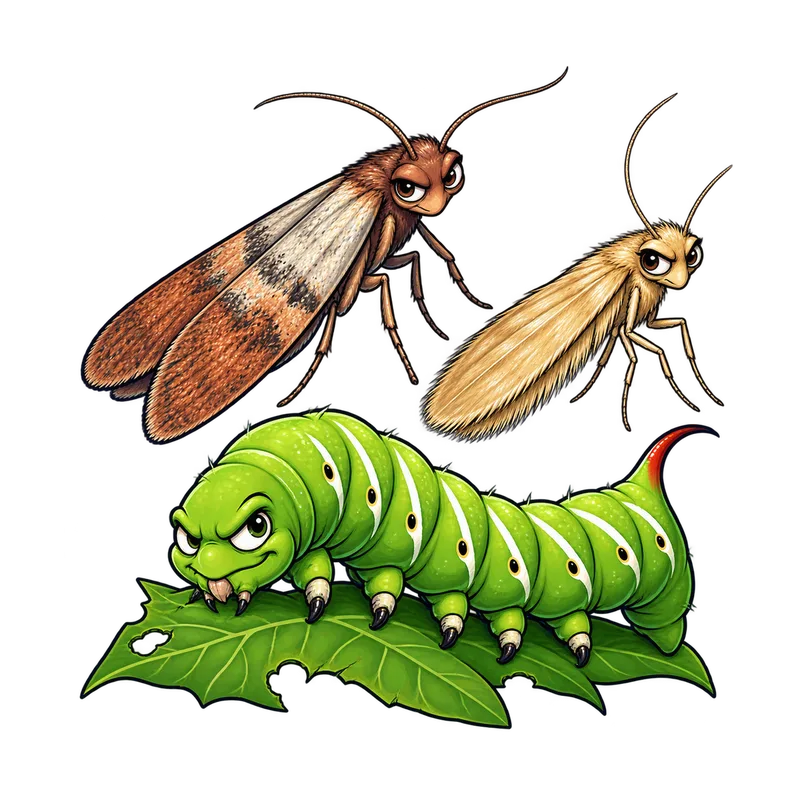
Clothes moth traps do not tell you where larvae are feeding. The sticky traps only catch adult male moths flying toward a synthetic scent, which means an infestation exists somewhere nearby. To find the actual feeding spot, you must search dark areas for hungry larvae hiding in animal-based materials like wool, cashmere, and silk.
What is actually going on
You spot a tiny, pale golden moth stuck to the little cardboard glue trap you placed behind the sofa last week, and you immediately wonder which of your favorite wool sweaters it just chewed through. But the trap itself is not a heat-seeking missile or a security camera. It will not point you toward the exact spot where the damage is happening. Think of a pheromone trap as a smoke detector. When it goes off, you know there is smoke somewhere in the house, but the alarm does not tell you if the toast is burning in the kitchen or if something is smoldering upstairs in the hallway.
The reason for this disconnect comes down to the biology of the insect. Adult clothes moths do not eat fabrics at all because they lack functional mouthparts. Their only job is to find a mate and reproduce. The sticky traps use a synthetic version of the scent that female moths release to attract males. When an adult male catches the scent drifting through the air, he flies upwind toward the trap, sometimes traveling across an entire room or slipping in from a completely different space.
Catching a male moth in your bedroom closet only tells you that an infestation exists somewhere nearby. The actual culprits, the hungry larvae or caterpillars, are hiding out of sight in dark, undisturbed areas. They stay embedded right in their food source, which usually means animal-based materials like wool, cashmere, fur, feathers, and silk. Because they are negatively phototactic, meaning they actively avoid light, they feed deep within folded garments, inside the dark interior of upholstered furniture, or along carpet edges beneath heavy, unmoved sideboards.
How to tell for sure
Finding the actual infestation requires putting down the magnifying glass and doing some old-fashioned detective work in the darkest corners of your home. You usually need to look through stored woolens in drawers, inspect taxidermy or feather pillows, and check wall-to-wall wool carpeting along baseboards and underneath heavy furniture that rarely moves.
When you inspect these areas, keep an eye out for a few specific diagnostic signs rather than relying on the moths themselves. Webbing clothes moth larvae spin fine silken tubes or sheets across the fabric they graze on. Casemaking clothes moth larvae build a portable, open-ended silken case that looks a bit like a tiny grain of rice or a miniature sleeping bag, which they drag along with them as they eat.
You will also likely run into frass, which is just a polite word for insect droppings. Homeowners routinely mistake these hard, opaque, pelleted droppings for moth eggs because they match the exact color of the sweater being eaten. True clothes moth eggs are microscopic, soft, translucent, and so fragile that they squash at the lightest touch. If you notice irregular holes in your favorite natural-fiber garments alongside tiny silk tubes, stray cases, and color-matched droppings, you have found the nursery.
What usually comes next
Once you find the feeding spot, your next logical move is figuring out how to handle the damaged pieces without destroying them. If the items are washable wools or cashmeres, running them through a hot cycle or sending them off to the dry cleaner takes care of every stage from eggs to adults while scrubbing away body oils that draw in egg-laying females.
When washing is completely off the table, freezing gives you a dependable, chemical-free backup plan. You can pack sensitive garments into plastic bags, push out the extra air, and seal them securely before putting them into a freezer running at zero degrees Fahrenheit for at least 48 to 72 hours. After the timer goes off, let the items sit in their sealed bags while they warm up slowly at room temperature for 24 hours so any condensation collects on the plastic instead of soaking your delicate fabrics.
If you choose to vacuum, make sure to hit closet floors, carpet edges, and the undersides of furniture regularly, and take the vacuum bag outside to the trash right away so the bugs cannot crawl back inside. Never spray clothing or bedding directly with residual insecticides. If you decide to use chemical sprays, product labels legally govern their application, meaning you should keep those treatments strictly to baseboards, closet walls, and floor cracks where garments will not absorb the residue.
When to get help
Most small clothes moth flare-ups clear up with thorough vacuuming, careful washing, and targeted heat or freezing. Still, certain situations call for stepping back and bringing in professional backup. If you are facing a massive infestation spreading across wall-to-wall wool carpets in several rooms, or if the damage goes deep into antique furniture, valuable heirloom textiles, or structural wool insulation, weekend DIY fixes rarely get the job done.
Keep in mind that clothes moths do not bite or transmit human diseases, but their shed skins, webbing, and the bristly debris left by co-occurring pests like carpet beetles can trigger contact dermatitis or respiratory irritation in sensitive individuals. If someone in your home develops persistent skin rashes or severe allergic reactions, consult a healthcare professional or an urgent care service for guidance.
For complex situations requiring whole-structure space fogging, specialized commercial heat chamber treatments, or professional gas fumigation, the decision belongs exclusively to a licensed pest control operator who has the proper equipment and training to handle the task safely.