
What does a browntail moth winter nest look like in Maine?
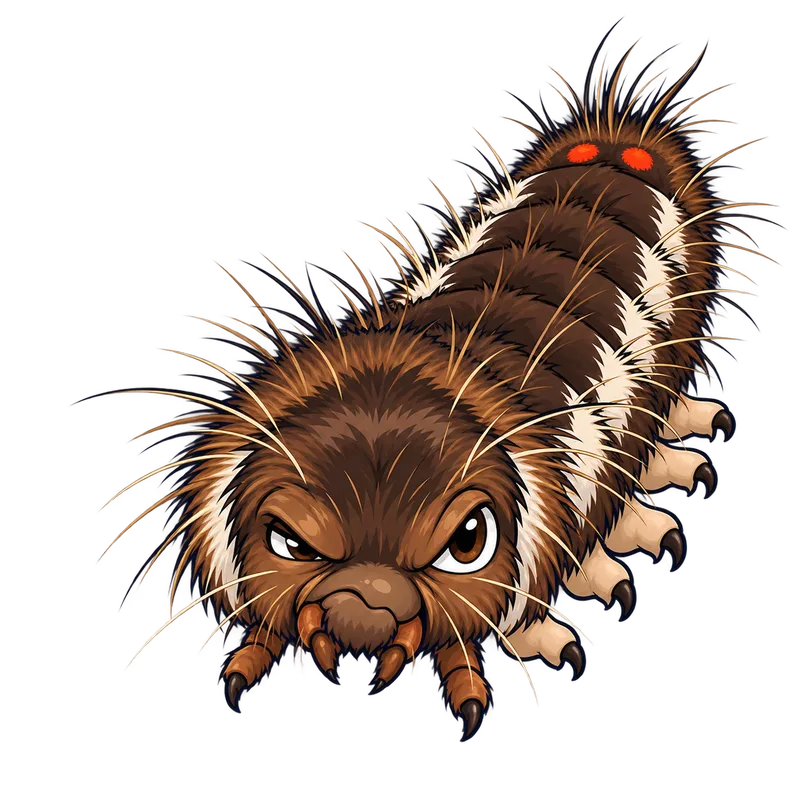
A browntail moth winter nest in Maine looks like a crumpled wad of white cotton gauze or a dirty-white Christmas ornament. This silken shelter measures roughly two to five inches long and is attached firmly to the outermost, sunniest tips of tree branches.
What is actually going on
Picture stepping out onto your gravel driveway on a bright, freezing February afternoon. The sky is a sharp, pale blue, the deciduous trees overhead are completely bare, and you are holding a pair of binoculars because your neighbor mentioned seeing a suspicious white patch up in your oak tree. You scan the topmost, sun-exposed tips of the branches against the winter sky, and there it is. It looks a bit like a crumpled wad of white cotton gauze or a tiny, dirty-white Christmas ornament stuck firmly to the very end of a twig.
That object is a browntail moth winter nest, and it is currently packed with dozens or even hundreds of tiny, living caterpillars waiting out the New England winter. These insects construct their specialized silken shelters during late summer before the leaves drop, spinning a tough, weather-resistant pocket around the foliage they have just finished skeletonizing. If you are wondering how those dead leaves manage to stay attached through howling winter gales and heavy snow loads when the rest of the tree is completely bare, the answer lies in the caterpillars' engineering. They spin continuous strands of silk along the leaf stem and wrap it tightly around the wooden twig, anchoring the entire structure down like heavy-duty duct tape.
Inside that waterproof silk packet, twenty to four hundred small, reddish-brown larvae are clustered together in shared chambers, surviving sub-zero temperatures in a state of deep winter dormancy. Because female moths naturally prefer to lay their eggs on the outermost, sunniest tips of high branches, those bright white or silvery flags are usually spotted dangling far above the ground once the autumn canopy disappears. They show up most frequently on hardwood favorites like oaks, apple trees, crabapples, cherries, and birches, though heavy local populations can occasionally push the insects onto other trees.
How to tell for sure
Finding something white and silken in a tree does not automatically mean you are looking at a browntail moth nest, and confusing it with harmless wildlife structures is remarkably easy. The most reliable way to tell for sure is to look at the size and the attachment point. A genuine browntail moth winter nest is usually small, measuring roughly two to five inches long. When you examine the twig closely, you should see that distinct band of white silk wrapping the leaf stem directly to the bark of the branch.
People frequently mistake expired fall webworm webs for browntail nests, but the differences are usually straightforward once you know what to look for. Fall webworms make much larger, looser webs that often stretch ten inches or more, they tend to sit in the forks of branches rather than at the twig tips, and they are completely empty by winter because those insects spend the cold months underground as pupae. Eastern tent caterpillars cause similar confusion, but they build their large spring tents exclusively in the crotches of branch trunks long after winter has passed.
Another common point of confusion involves the adult moths that emerge in mid-summer. Those pure-white winged adults often gather around porch lights in July and August, but they do not carry the toxic, rash-inducing hairs associated with the species. The danger comes almost entirely from the caterpillars, which possess microscopic, barbed, hollow hairs containing a potent chemical toxin. Those hairs remain stable and active in dry environments for up to three years, meaning even an old nest or dried debris on the ground can trigger a miserable, itchy skin rash or respiratory irritation if handled without care.
What usually comes next
When you spot a confirmed nest sitting within reach, you normally have a limited window for manual removal before spring temperatures arrive and the caterpillars wake up hungry. February is typically the prime time for this chore because the trees are bare and the foliage will not block your line of sight. For low branches you can comfortably reach from the ground, you can grab long-handled pole pruners and snip the twig an inch or two below that silk-wrapped stem.
Putting on the right gear before you touch anything is a must unless you are eager to invite a severe skin reaction that puts the worst poison ivy outbreak to shame. Dressing for the job feels a bit like prepping to sand drywall or handle loose fiberglass: you need safety goggles, a tight-fitting dust mask or particulate respirator, long sleeves, gloves, and outer clothing sealed tightly at the wrists and ankles to keep airborne microscopic hairs away from your skin.
Never snip nests, drop them onto the lawn, and walk away under the assumption that winter weather will finish the job. The caterpillars sheltered inside are remarkably tough and will simply crawl right back up the trunk once the spring thaw kicks in. Instead, drop every clipped nest straight into a bucket filled with water and liquid dish detergent, letting them submerge for a couple of days to drown the colony, or burn them safely in a secure wood stove or incinerator.
When to get help
Some situations mean it is time to step back and hand the task to a professional, especially when gravity or health risks get in the way. If those winter nests are dangling high up in the canopy of a tall oak or birch tree fifteen or twenty feet above the ground, balancing on a wobbly ladder with pole pruners is an easy way to end up in the emergency room. For those high jobs, hiring a licensed arborist with a bucket truck or professional canopy gear is the smartest move.
Property owners dealing with heavy, widespread infestations often consider chemical treatments when spring arrives and the tiny pests emerge to munch on fresh buds. Applying sprays like biological options or approved contact insecticides to large trees requires a licensed pesticide applicator who knows local environmental rules and strict product label laws.
On the medical front, anyone who suffers intense symptoms after running into caterpillar hairs, such as sudden trouble breathing, difficulty swallowing, or swelling around the face, needs immediate emergency care. For milder contact rashes, standard over-the-counter anti-itch creams, cool baking soda baths, and oral antihistamines can help manage the misery while your skin heals.