
What does an oak processionary moth nest look like?
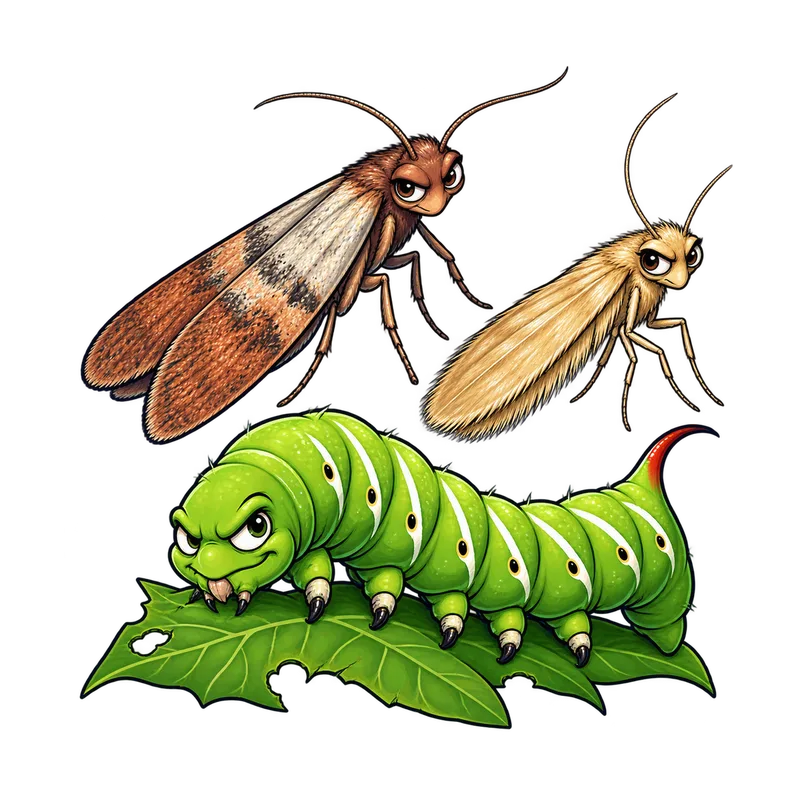
An oak processionary moth nest appears as a cluster of white silken webbing constructed directly on the trunks or major limbs of oak trees. When first spun in the spring, the silk is bright white like cotton candy, but it quickly discolours to a dull grey or brown over the weeks.
What is actually going on
Imagine you are walking the dog through a local park on a crisp spring morning, and you glance over at a stately old oak tree near the path. Something on the trunk catches your eye. It is not the usual rough, grey bark or a patch of harmless lichen, but rather a distinct, webbed pouch stuck flat against the wood. You might wonder if a spider or some strange bird has been busy overnight, but what you are actually looking at is the communal home of oak processionary moth caterpillars.
An oak processionary moth nest appears as a cluster of white silken webbing constructed directly on the trunks or major structural limbs of oak trees. When the larvae first spin these shelters in the spring, the silk is bright white and stands out sharply against the dark bark. It looks a bit like a thick patch of cotton candy or raw silk pressed flat against the tree.
As the weeks roll on, that pristine white look does not last. The nest quickly discolours to a dull grey or brownish tone. This happens because the silk mixes with environmental dust, bits of shed larval skin, and the tiny waste pellets left behind by the caterpillars living inside. If you were to look closely, which you really should not, you would see dense groupings of hairy caterpillars clustering both inside and right across the outer surface of the webbed pouch.
People often assume that any silken web in a tree must be the work of these moths, but that is rarely how nature works out. Host specificity matters a great deal here. These caterpillars feed almost exclusively on oak species, so if you spot a big silken bag dangling from a fruit tree or a pine in the yard, you are looking at an entirely different insect.
Telling an oak processionary moth nest apart from other garden oddities usually comes down to checking three specific visual cues. First, look at where the web is attached. These nests are plastered directly against the main trunk or heavy scaffold limbs of the tree rather than suspended loosely in the fork of small branches like native tent caterpillars do.
Second, watch the inhabitants if they are active. These caterpillars get their name from a very particular habit of moving in single-file, nose-to-tail processions. When they travel between their trunk nest and the upper canopy to feed, or when they eventually march down to the ground, they form a distinct, moving line that looks like a furry train winding its way along the bark.
Third, consider the time of year and the surrounding twigs. In late summer and autumn, adult female moths lay their eggs in flat, rectangular blocks, often called plaques, on the slender outer twigs of the trees. These egg masses are small, shingle-like, and wonderfully camouflaged to match the bark, making them nearly impossible to spot from the ground without binoculars.
How to tell for sure
You might figure an old, weathered brown nest is empty and therefore safe to ignore, but that is a risky assumption. Even after the caterpillars move on or mature, the discarded nests and the surrounding bark hold onto millions of tiny, barbed defensive hairs. These hairs contain irritating proteins that can cause severe skin rashes, eye irritation, and breathing difficulties for humans and pets alike, long after the insects have left the shelter.
What usually comes next
Once you spot what looks like a processionary moth nest on an oak tree, the most sensible practical decision you can make is to leave it completely alone and keep everyone, including children and dogs, at a safe distance. It is entirely natural to want to fix the problem immediately by grabbing a garden hose, a pressure washer, or a long stick to knock the unsightly thing down, but you need to resist that urge entirely.
Spraying a nest with high-pressure water or trying to burn it off with a torch creates a terrible hazard, because instead of destroying the pest, those actions shatter the nest and blast thousands of invisible, toxic hairs straight into the air where the wind can carry them right toward you. Burning also damages the host tree, creating an open wound that invites other diseases and pests.
Because these caterpillars are dangerous to touch and their nests are hazardous to disturb, amateur physical removal is generally a bad idea. If the tree is on your property, the right move is to mark the location mentally or take a photo from several feet away without getting close enough to inhale stray hairs. From there, you can determine whether local regulations require you to report the sighting to agricultural authorities or call in a certified specialist who wears full protective gear and uses specialized containment equipment.
When to get help
There are moments when a garden pest crosses the line from a minor annoyance into a matter for trained specialists and public health officials. If you live in a region where the oak processionary moth is treated as a regulated quarantine pest, such as parts of the United Kingdom, finding a nest on your land usually means you have a legal duty to report the sighting to the national plant health authorities or forestry commission rather than handling it yourself.
You also need professional help when the infestation is large, or when nests are located high up in mature trees where standard backyard tools cannot reach them safely. Licensed arborists and pest control operators possess the correct respiratory protection, professional suits, and specialized removal gear required to strip the nests from the bark without blanketing the neighborhood in irritating caterpillar hairs.
On the personal health side, do not hesitate to seek medical or veterinary care if someone in your household or a family pet makes unfortunate contact with these caterpillars or a stray nest. The resulting rashes, swelling, and respiratory distress can be severe, particularly for people with existing sensitivities like asthma. If a rash spreads rapidly, eyes become intensely inflamed, or breathing feels tight after working near oak trees, call a clinician or local health hotline immediately for guidance rather than waiting for the reaction to fade on its own.