
What does sod webworm damage look like?
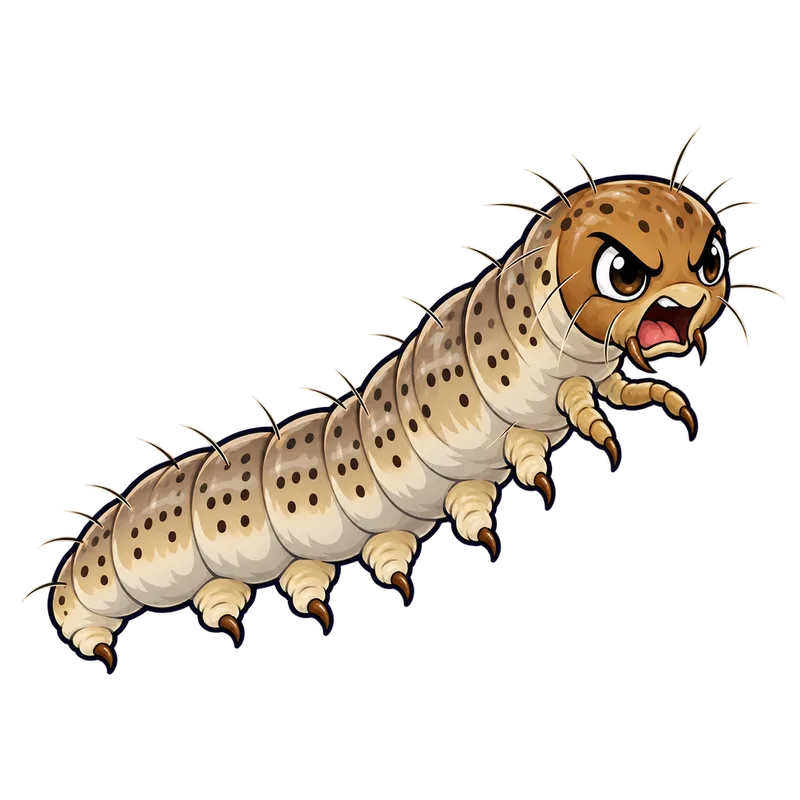
Sod webworm damage looks like a patchy, dull brown spot where the grass blades are ragged and chewed down to the yellowed stubble. These irregular dead patches appear because the caterpillars chew the grass blades right off at the base and leave behind tiny green or brown spherical droppings.
What is actually going on
You walk out to mow the lawn on a Saturday morning, and something looks off near the sprinkler head. There is a patchy, dull brown spot where the grass used to be thick and green. At first glance, you might blame the neighborhood dog or figure the summer heat finally scorched a weak spot. But when you crouch down for a closer look, the blades do not just look dry. They look ragged, chewed down to the yellowed stubble like someone took a weed trimmer to them by mistake.
That damage is the calling card of the sod webworm. Despite what you might assume, the pale little moths fluttering around your shins when you walk across the grass are completely innocent. Adult lawn moths do not have chewing mouthparts, meaning they cannot harm your turf. They are simply out looking for a place to drop eggs. The real destruction comes a couple of weeks later when those eggs hatch into caterpillars that treat your lawn like an all-you-can-eat buffet.
These caterpillars spend their days hiding in tiny silk-lined tunnels woven right into the thatch, which is that spongy layer of dead and living stems sitting just above the soil. Think of them as tiny campers sleeping in insulated bags during daylight hours. When the sun goes down, they wake up, crawl out onto the surface, and chew grass blades right off at the base. They often drag those blades back down into their silk burrows to snack on later, leaving behind irregular dead patches that expand rapidly if the weather stays hot and dry.
If you part the grass around one of these dying patches, you will usually find a few physical clues confirming who moved in. Along with the tattered, notched blades of grass, you might spot tiny green or brown spherical droppings tucked near the crowns. The soil underneath stays firm because these pests feed exclusively on the foliage above ground, which separates them from other common lawn invaders that chew roots below the surface.
How to tell for sure
Spotting the damage is one thing, but catching the culprit is another since these caterpillars are strictly nocturnal. Instead of guessing based on a brown patch, you can run a simple diagnostic test using items from your kitchen. Mix a couple of tablespoons of liquid dishwashing soap into a gallon or two of water, and pour it evenly over a square yard of suspect turf where the green meets the brown.
Wait about five to ten minutes and watch the surface. The soapy water usually irritates the skin of the hidden caterpillars, forcing them to crawl out of their thatch tunnels so you can actually count them. You are typically looking for a handful of pinkish-white, light green, or yellowish-brown caterpillars with dark spots and distinct brown heads, measuring up to an inch long.
If your soap flush brings up fifteen or more larvae per square yard, you have crossed the point where your lawn needs help to recover. You will also want to check the physical habits of any adult moths you see. Temperate lawn moths usually fold their wings tightly around their bodies and sport a prominent snout sticking out front, while tropical species tend to rest with their wings in a distinct triangular posture.
One common trap is treating your lawn the moment you see those adult moths zigzagging up from the grass. Spraying the fliers usually wastes product and time because the damage is entirely driven by the immature stages developing quietly in the thatch. Matching your timing to the actual life cycle makes all the difference in keeping your turf intact.
What usually comes next
Once you confirm a heavy webworm population with the soap test, your main decision comes down to choosing the right treatment window and applying it correctly. This is where many well-meaning homeowners make a costly mistake. Because white grub treatments usually require you to soak the soil right after application, people often wash their webworm sprays deep into the dirt too.
Do not water in a sod webworm treatment. These caterpillars feed on the above-ground foliage, meaning your insecticide or biorational spray needs to stay right on the grass blades where the pests will ingest it at night. Plan to apply your treatment in the early evening, just as the caterpillars are getting ready to wake up and feed.
You also need to skip the lawnmower and the garden hose for a couple of days after spraying. Keeping the product on the leaves for twenty-four to seventy-two hours gives it time to work effectively. If you turn on the sprinklers or mow the lawn the next morning, you simply wash the active ingredient away and leave the caterpillars with an untouched meal.
If you prefer a biological approach, keep in mind that microbial controls only work on small, young caterpillars under half an inch long. If your soap flush reveals fully grown, mature larvae chomping through your grass, that biological option will fail, and you will need to reevaluate your strategy based on the size of the pests currently living in your thatch.
When to get help
Most minor webworm surges can be handled with patience, proper mowing heights, and well-timed consumer products, but some situations call for outside backup. If your soap flush tests reveal massive populations exceeding thirty or forty larvae per square yard across a wide expanse of your property, consumer-grade options might struggle to keep up before the turf suffers permanent root-zone stress.
You should also bring in a licensed professional if you are managing high-value turf like a commercial landscape, a sod farm, or specialized sports fields where rapid foliar loss is simply not acceptable. These situations often require restricted-use chemistry or specialized biorational applications that demand professional licensing and commercial application equipment to manage safely.
Keep safety in mind whenever you handle lawn chemicals around your property. Broad-spectrum synthetic treatments can sometimes wipe out beneficial predatory insects and trigger secondary outbreaks. Always check product labels for warnings regarding pollinators, and never spray blooming clover or flowering weeds when bees are active. If you ever feel unsure about local regulations, chemical concentrations, or mixing rules, contact your local university extension office or a certified turf professional before moving forward.