
Can browntail moth caterpillars cause a rash?
Yes, browntail moth caterpillars cause a severe and intensely itchy skin reaction because they carry microscopic, barbed hairs that shed easily and drift on the wind. You do not even need to touch one to suffer, as these toxic hairs can remain stable in dry environments for up to three years.
What is actually going on
Picture a warm Saturday afternoon in June. You spend an hour mowing the lawn and trimming the tall grass along the edge of the woods, enjoying the breeze. By Sunday morning, your neck and forearms are covered in red, angry welts that burn and itch with a persistence that makes you question your sanity. You assume you brushed against poison ivy while cutting the brush, but you never left the open yard.
Yes, browntail moth caterpillars cause a severe, intensely itchy skin reaction, and you do not even need to touch one to suffer the consequences. These caterpillars carry microscopic, barbed hairs that function as both mechanical daggers and chemical irritants. When the caterpillars move, molt, or feel threatened, these hairs shed easily and drift on the wind like invisible dust, settling on your skin, your outdoor furniture, or the laundry you just hung out to dry.
This airborne aspect catches many people off guard because it feels like poison ivy falling right out of the sky. The physical barbs puncture the outer layer of skin while releasing a toxin that triggers a histamine response very similar to a bad allergic reaction. To make matters worse, these tiny hairs remain stable and toxic in dry environments for up to three years. That old pile of brush or the sheltered spot beneath your roof eaves where caterpillars spun their cocoons last summer can still launch irritating hairs into the air months later.
How to tell for sure
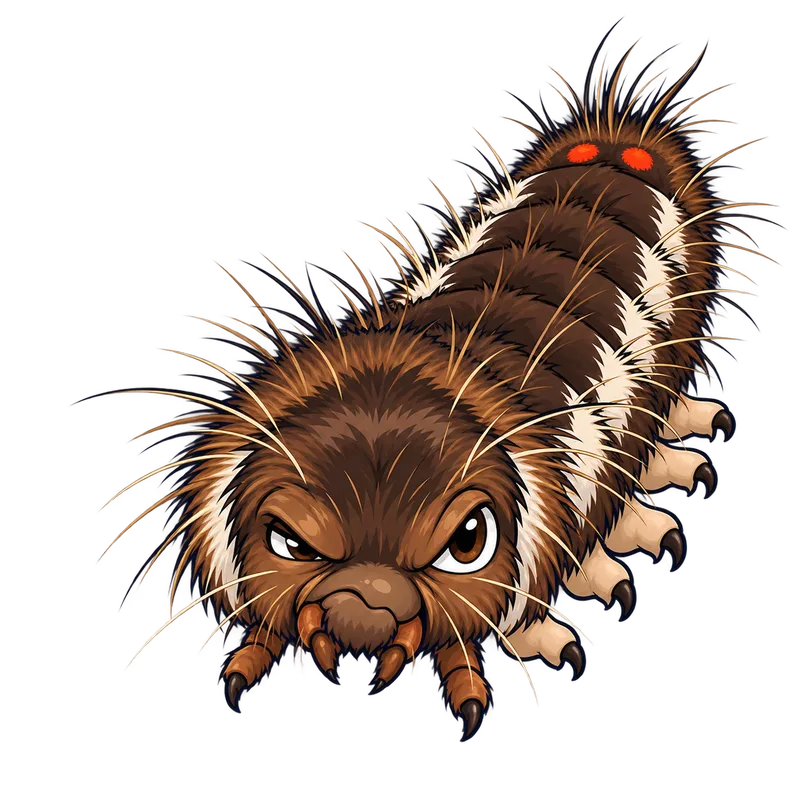
Pinpointing the culprit usually requires looking up at your trees rather than examining the rash itself, because the skin reaction looks almost identical to bed bug bites, flea bites, or plant contact dermatitis. If you suspect these caterpillars are active in your yard, look for distinct visual cues during their feeding season from April to late June. The caterpillars grow up to an inch and a half long and feature a dark brown body marked by a broken white stripe on each side and two distinct orange-red spots near the tail end.
You should also watch out for their winter webs, which usually appear from late summer through winter as tightly woven silken tents wrapped around the tips of oak, apple, or cherry tree branches. These nests enclose dozens of tiny caterpillars waiting for spring.
A common doubt people raise is whether the pretty white moths fluttering around porch lights in July and August will give them the same rash. They usually will not. Adult moths do not possess toxic hairs and are completely safe to handle, though the empty silken cocoons left behind by the preceding caterpillar stage remain packed with shed hairs and can cause a severe reaction if you brush against them while cleaning your gutters or garage door frames.
What usually comes next
Deciding how to handle an infestation or a stubborn rash comes down to timing and protection. If you live in an area where these pests are established, like coastal Maine or Cape Cod, outdoor chores require a shift in routine. Instead of tackling lawn mowing, hedge trimming, or leaf raking on a dry, sunny afternoon when hairs float freely, save those tasks for damp or rainy days when moisture weighs the microscopic hairs down and keeps them from becoming airborne.
When you must clear brush or prune winter nests from fruit and oak trees in the dormant season, personal protective equipment is non-negotiable. Wear coveralls, long sleeves tucked into heavy gloves, goggles, and a proper respirator mask to keep the hairs away from your airways and skin. Right after finishing yard work, strip off your clothes in the garage or mudroom, drop them into a sealed plastic bag, and wash them separately in hot water. Head straight for a cool shower to rinse away any stray hairs before they settle in.
If you already have the rash, resist the urge to jump into a steaming hot bath, as heat dilates your blood vessels and makes the itching much worse. Cool water, baking soda or colloidal oatmeal baths, and over-the-counter hydrocortisone cream or oral antihistamines usually help manage the discomfort while the skin heals.
When to get help
While most rashes can be managed at home with cool compresses and soothing lotions, certain symptoms demand immediate medical attention. If you or someone in your household experiences difficulty breathing, wheezing, throat swelling, or severe coughing after spending time outdoors near infested trees, call emergency services right away. Inhaling these microscopic barbed hairs can trigger serious respiratory distress, particularly for individuals with pre-existing conditions like asthma.
You should also consult a clinician if the skin reaction covers large areas of your body, causes intense blistering, or shows signs of a secondary bacterial infection from scratching.
For property management, high canopy nests out of reach from the ground call for a licensed arborist or professional tree service equipped with bucket trucks. If an infestation threatens an entire neighborhood or a large public space, local authorities sometimes coordinate community-wide suppression programs or public health nuisance declarations to manage severe outbreaks safely.