
Spiders
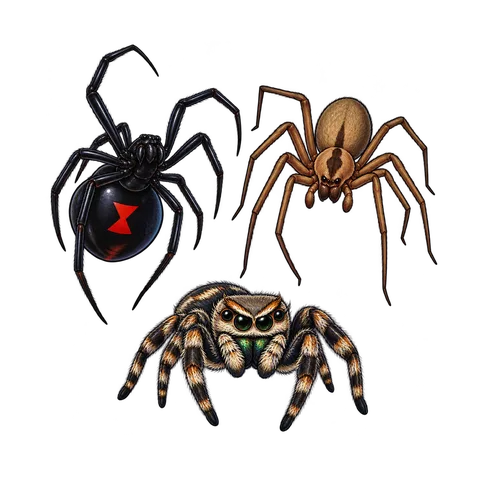
Spotting an eight-legged guest scuttling across the baseboard or hanging out upside down in the corner of the garage usually brings on a quick debate about whether to reach for a shoe or let the creature be. What ropes all spiders together into a single group isn't just their knack for web-weaving, because plenty of them hunt on foot without ever spinning a thread. Instead, they share a distinct body plan featuring exactly eight legs attached to a front section, a bulbous rear abdomen separated by a remarkably narrow waist, and a complete absence of wings or antennae. They are fundamentally solitary predators that quietly keep household flies and garden pests in check, preferring to stay out of sight until an accidental squeeze in a shoe or laundry pile forces an unlikely defense.
Telling a spider apart from its distant relatives in the garden or basement comes down to a few obvious giveaways once you take a closer look at the anatomy. Daddy-long-legs, or harvestmen, might share the long-legged silhouette, but their bodies consist of a single fused oval piece without that narrow spider waist. Scorpions pack a heavy set of front pincers and a segmented tail with a stinger, features no spider on earth possesses. Even insects are easy to rule out by counting body segments and appendages, as beetles and ants always sport six legs, visible antennae, and three distinct body regions rather than the spider's two.
Explore spiders
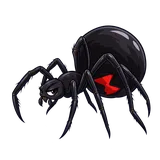 Southern black widowLatrodectus mactans
 Western black widowLatrodectus hesperus
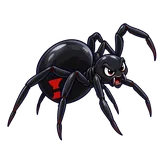 Northern black widowLatrodectus variolus
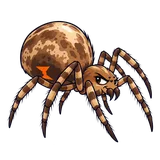 Brown widowLatrodectus geometricus
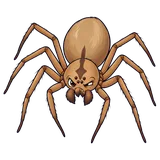 Brown recluseLoxosceles reclusa
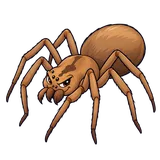 Mediterranean recluseLoxosceles rufescens
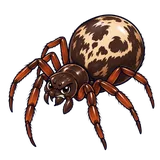 Noble false widowSteatoda nobilis
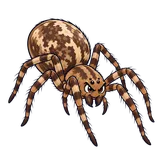 Common house spiderParasteatoda tepidariorum
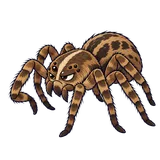 Wolf spidersFamily Lycosidae
 Jumping spidersFamily Salticidae