
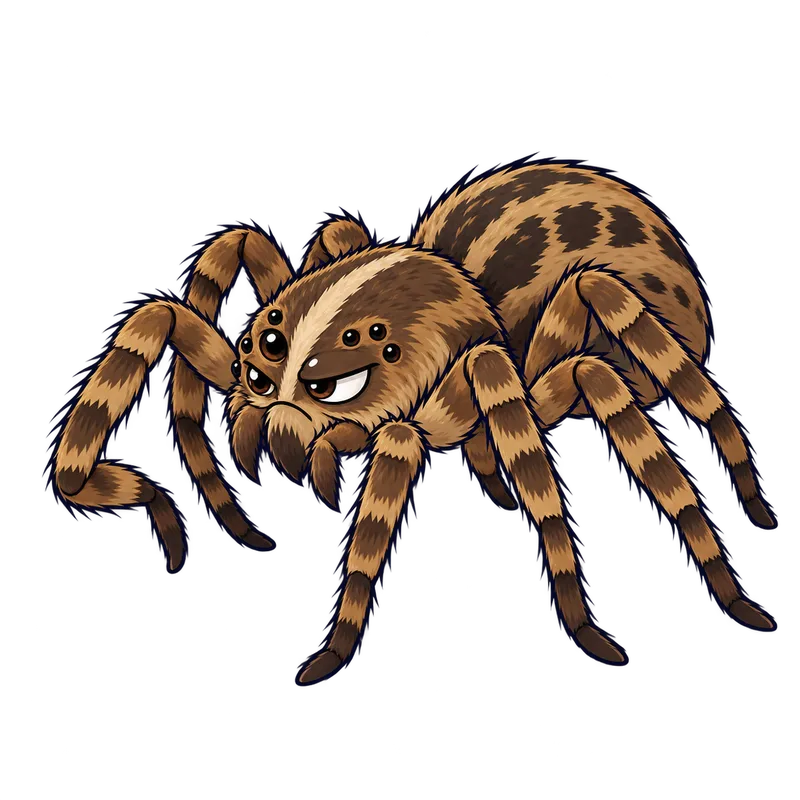
Wolf spiders
Family Lycosidae
- Size
- Comparative size descriptors
- Color
- Brown, dark brown, or mottled brown
- Habitat
- Ground-dwelling in soil, fields, leaf litter
- Diet
- Predatory on insects and small invertebrates
- Life cycle
- Egg to spiderling to adult
If you have ever flipped over a heavy garden stone or cleared a drift of autumn leaves and watched a surprisingly large, hairy creature bolt for cover, you have likely crossed paths with a wolf spider. Belonging to the family Lycosidae, these arachnids are the sprinters of the spider world. They do not spin aerial webs to catch a meal. Instead, they stalk and chase down their prey on foot.
Identity
Telling them apart from other large spiders comes down to a few distinct field marks. If you look closely, you will count eight eyes arranged in three rows, with a particularly prominent pair staring back at you from the front of the face. Unlike the notoriously reclusive spiders that wear a violin-shaped mark on their heads, wolf spiders sport a mottled brown, black, and gray coat that blends perfectly with dirt and bark. You will not find any silky webs strung across doorways or corners either. They prefer the open ground, relying entirely on speed and camouflage.
Habitat & behaviour
These spiders are unapologetically terrestrial. While many household pests seek out dark, undisturbed corners up high, wolf spiders stick close to the floor. They inhabit fields, lawns, and gardens, often taking shelter in shallow burrows they dig in the soil, under rocks, or beneath rotting logs.
They are primarily nocturnal hunters, which explains why you might occasionally spot one scurrying across a basement floor or slipping into a ground-level garage after dark. They are on the prowl for crickets, beetles, and other ground-dwelling insects.
One of the most remarkable behaviors in the arachnid world belongs to the female wolf spider. After her eggs hatch, she does not leave them behind in a nursery web. Instead, dozens of tiny, newly hatched spiderlings swarm her back, clinging to her abdomen in a dense, moving carpet. If you spot what looks like a hairy brown spider with a shimmering, textured hump, you are looking at a dedicated mother hauling her entire brood across the yard.
Visual variations
Wolf spiders skip the dramatic transformations that insects go through, and they never sprout wings. They simply hatch as tiny versions of the adults, called spiderlings. To grow, they have to shed their hard outer skins over and over, expanding a bit more with each molt until they finally reach full size.
Adult females usually turn out much larger and heavier than the males, which makes sense given the sheer physical toll of hauling heavy egg sacs and later carrying dozens of children on their backs. Males usually show off slightly longer legs for their body size along with distinct palps near the front that look like tiny boxing gloves, which come in handy during courtship. Their colors stretch across a wide spectrum depending on the exact species and local surroundings, moving from pale sandy browns in dry open country to deep chocolate shades in damp woods.
Why it matters
Spotting a massive, hairy spider sprinting across the living room floor usually triggers an immediate reaction, but having them around the house is mostly harmless. They hunt alone rather than living in colonies, meaning they never build up into a structural infestation, and they leave your woodwork and wiring completely untouched.
Their fierce reputation is mostly undeserved. Wolf spiders are naturally timid and prefer running away over picking a fight, usually only biting a person if they get accidentally trapped against the skin inside a shoe or caught under clothing. A bite can bring some local pain, redness, or swelling, but their venom is not medically significant. Basic first aid just means washing the spot with soap and water and putting on a cool compress, though you should check in with a clinician if symptoms stick around.
If you are trying to tell them apart from more dangerous spiders, look closely at their habits and physical traits. The wandering spider runs larger and shows much more aggression, while the brown recluse has a distinct violin shape on its back and six eyes instead of eight. European wolf spiders used to take the blame for the frantic dancing manias of old Italy known as tarantism, though modern experts point the finger at entirely different critters. Instead of acting like a household menace, wolf spiders serve as free pest control in the yard, quietly cutting down the numbers of actual nuisance bugs.
Similar species
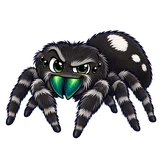 Jumping spidersFamily Salticidae
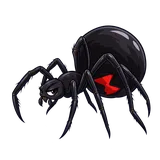 Southern black widowLatrodectus mactans
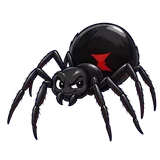 Western black widowLatrodectus hesperus
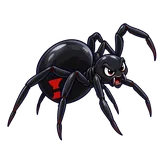 Northern black widowLatrodectus variolus
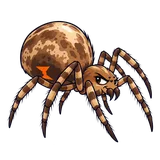 Brown widowLatrodectus geometricus
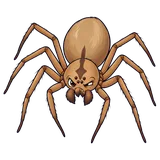 Brown recluseLoxosceles reclusa