
Why are brown recluse reports outside its confirmed range often uncertain?
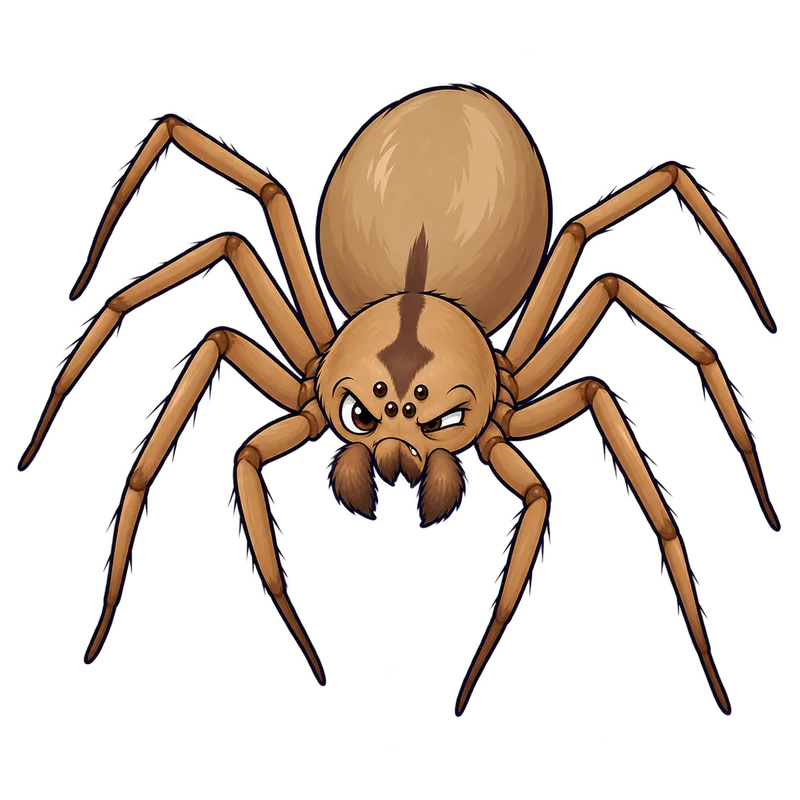
Reports of brown recluse spiders outside their confirmed range are uncertain because they rely on visual guesses of skin sores or fleeting glances at ordinary spiders, rather than a physical specimen checked by an expert. This geographic mismatch means most suspected bites actually stem from bacterial infections, viral conditions, chemical burns, or tick bites.
What is actually going on
Imagine you are digging through the cardboard boxes in your basement, looking for that camping gear you swore you put away neatly last October. You slip your bare foot into a boot left sitting in the corner, and a few hours later, you notice an angry, red, swelling sore on your ankle. Your mind immediately races to the worst-case scenario. You live three states away from the heart of the country, yet you are convinced a brown recluse crawled out of the dark and tagged you.
Reports of brown recluse spiders outside their natural home range are almost always uncertain because they rely on visual guesses of skin sores or fleeting glances at ordinary spiders, rather than a physical specimen checked by an expert. The spider itself is native almost strictly to the central and southern regions of the United States. If you pull a box down from your garage shelf in the Pacific Northwest and find a suspicious bite, you are dealing with a geographic mismatch.
You might wonder how thousands of people across non-endemic states manage to visit clinics every year convinced they have brown recluse bites. The gap usually comes down to a simple diagnostic error. A mysterious skin ulcer or sore gets labeled as a spider bite simply because it looks nasty. In reality, the vast majority of those unexplained wounds stem from common bacterial infections like staph, viral conditions, chemical burns, or even tick bites.
An isolated individual spider occasionally hitches a ride in a shipping box or luggage from the central states, much like a single tourist visiting a new city. Finding one wandering specimen in a non-endemic region does not mean an established, breeding population lives behind your drywall. Without a local colony reproducing across generations, the odds of a local encounter remain exceptionally low.
How to tell for sure
Pinning down the identity of any spider requires more than a quick glance at a blurry photo on your phone screen. Most people assume that any brownish spider with a dark mark on its back is a recluse, but that assumption trips up even seasoned homeowners. Cellar spiders, funnel weavers, and male house spiders frequently sport similar coloration, yet they pose no threat.
True recluses have a distinct physical layout that sets them apart from the usual basement dwellers. They usually display a dark, violin-shaped pattern on their head region, though that marking can look faint or absent on younger specimens. More importantly, most spiders carry eight eyes, while recluse spiders have exactly six eyes arranged in three distinct pairs. Inspecting that eye arrangement usually requires a ten times magnification hand lens. If the spider is crushed or missing its head, positive identification stops right there.
Figuring out whether a bite came from a specific spider is just as tricky as identifying the creature itself. True recluse bites usually start as a mild pinprick or feel entirely painless at first. Over the next few hours, redness and swelling set in, sometimes forming a small blister. In a small fraction of verified cases, the skin around the bite turns dark as tissue death occurs, but that happens in fewer than ten percent of true encounters. A photograph, a bite mark, or a raw skin sore alone can never confirm a spider species.
What usually comes next
When you find an unfamiliar bite or spot a creepy-crawly scuttling across your baseboards, you have to make a practical decision about how to respond. Rushing to conclusions or spraying broad-spectrum chemicals across your entire living room rarely helps and usually violates product label rules.
If you manage to trap the spider that actually bit you, preserve it safely in a rigid container or a small jar of seventy percent isopropyl alcohol rather than squishing it beyond recognition. You can then submit that physical specimen to a university extension service or a state entomologist for an honest verdict. Meanwhile, focus on sensible household prevention. Shake out boots and work gloves before sliding your bare skin inside them, store seasonal gear in sealed plastic tubs instead of open cardboard boxes, and keep your firewood piles pushed well away from the exterior walls of your house.
When to get help
Some situations call for professional intervention rather than a do-it-yourself approach. If you experience spreading purplish discoloration at a wound site, fever, chills, nausea, dark urine, or trouble breathing, seek emergency medical care immediately or call poison control. Anyone bitten by a spider should also verify their tetanus immunization status, and if a booster has not been received within the last five years, seek medical evaluation. Young children, elderly adults, and anyone with underlying health conditions face higher risks from cytotoxic venoms and need a clinician's evaluation without delay.
When structural infestations get out of hand, leave the chemical treatments to a state-licensed pest control operator. Pesticide products carry strict legal boundaries, and exceeding label application rates or inventing custom mixtures violates federal and state law. If you suspect your wound is a severe skin infection rather than a spider bite, a doctor needs to run the proper diagnostics to get you on the right course of treatment.