
Are brown widows poisonous?
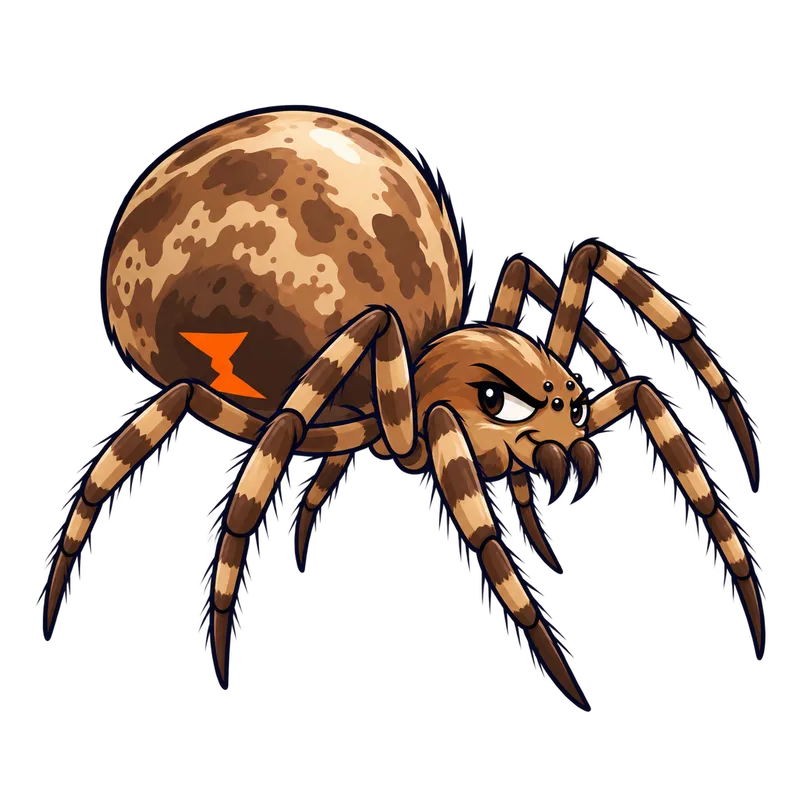
Brown widows are venomous rather than poisonous because they actively inject neurotoxic venom using fangs instead of carrying toxins that make you sick if you eat them. Their venom targets your nervous system and causes intense pain and muscle cramping, but these timid spiders only bite when trapped directly against your skin.
What is actually going on
Picture yourself out in the garage on a Saturday morning, reaching blindly behind the lawnmower for a garden hose you have not touched since last summer. Your fingers brush against something soft and papery in the dark, followed instantly by a sharp, stinging pinch. You pull your hand back fast, wondering if a spider just got you. People often ask if brown widows are poisonous, but the biology works a bit differently than that.
To be precise, brown widows are venomous rather than poisonous. Poisonous creatures carry toxins that make you sick if you eat them or touch their skin passively, like certain colorful frogs or toxic mushrooms. Venomous animals like spiders actively inject their toxins using specialized mouthparts called fangs. When a brown widow bites, it uses those fangs to deliver a dose of venom directly into the tissue.
You might expect a nasty wound that rots your skin away, since internet stories love to paint every spider as a flesh-eating monster. That is a common misunderstanding. Brown widow venom is neurotoxic, meaning it targets your nervous system rather than destroying your skin cells. It causes a syndrome known as latrodectism, which brings intense pain and muscle cramping, but it does not cause the decaying open sores associated with recluse spiders. Furthermore, these spiders are quite timid and only bite when they are accidentally crushed or trapped directly against your skin.
How to tell for sure
Figuring out what you are dealing with usually starts with looking at the physical evidence, though you should never try to guess the culprit from a skin lesion alone. Public health experts agree that identifying a spider from a red mark, a bump, or an angry welt is practically impossible. Most unexplained skin bumps turn out to be ordinary bacterial infections or bug bites from tiny insects, rather than the work of a widow spider.
If you actually spot the spider, certain visual cues usually give away a brown widow. Mature females usually have a mottled mix of brown, tan, and black shades, often featuring geometric patterns on their backs and a distinct orange or yellowish hourglass shape on their underside. You can usually tell them apart from their black widow relatives by looking at their egg sacs. While black widow egg sacs look like smooth, pale spheres, brown widow egg sacs are covered in distinctive spiky projections that make them look like tiny sea urchins.
You usually find these spiders hiding in quiet, undisturbed spots where they can build their tangled webs without interruption. Think about the underside of outdoor patio furniture, inside empty flower pots, underneath deck railings, or tucked away inside dark corners of a utility shed. They prefer these sheltered outdoor micro-habitats over the middle of an open, drafty room.
What usually comes next
When you suspect a bite, your smartest move is keeping things simple and watching how your body responds over the next hour. Start by washing the spot thoroughly with soap and clean water to keep ordinary bacteria out of the puncture. Slap a cold pack wrapped in a cloth onto the skin for ten-minute stretches to bring down the local swelling and blunt that sharp pinch.
If you got nipped on the wrist or ankle, propping that limb up to heart level usually keeps the throbbing from getting out of hand. Plenty of folks take standard store-bought pain relievers to take the edge off, provided they follow the dosage printed right on the box.
Do not listen to old stories about cutting the skin open, sucking out the fluid, or squeezing the bite to force the venom out. That kind of kitchen-table surgery only damages healthy tissue and gives germs an easier path inside. Watch the clock instead, because true widow symptoms usually build over the first hour or two, turning that initial pinprick into a deeper ache that crawls up the arm or leg.
When to get help
Most healthy adults bounce back from a brown widow bite without lasting damage, but certain reactions mean you need a doctor right away. Head for urgent care if the pain starts marching into your chest, belly, or lower back, or if you catch yourself dealing with severe muscle spasms, heavy sweating, shaking, nausea, or trouble breathing.
Emergency evaluation is also non-negotiable if the bite victim is a toddler, an elderly person, or someone with a known heart condition, since their bodies handle neurotoxic stress far less predictably. If you live stateside, you can reach out to the national Poison Control Center at 1-800-222-1222 twenty-four hours a day for free, expert advice on suspected bites.
Because any spider puncture breaks the skin, you also need to think about your last tetanus shot. If you cannot remember your vaccination history or your booster is more than five or ten years old, call a healthcare provider to sort it out. When you are dealing with a heavy infestation inside the house or hordes of spiders taking over your foundation, drop the do-it-yourself routine and let a licensed pest control operator clear them out safely.