
Do wolf spiders eat brown recluse spiders?
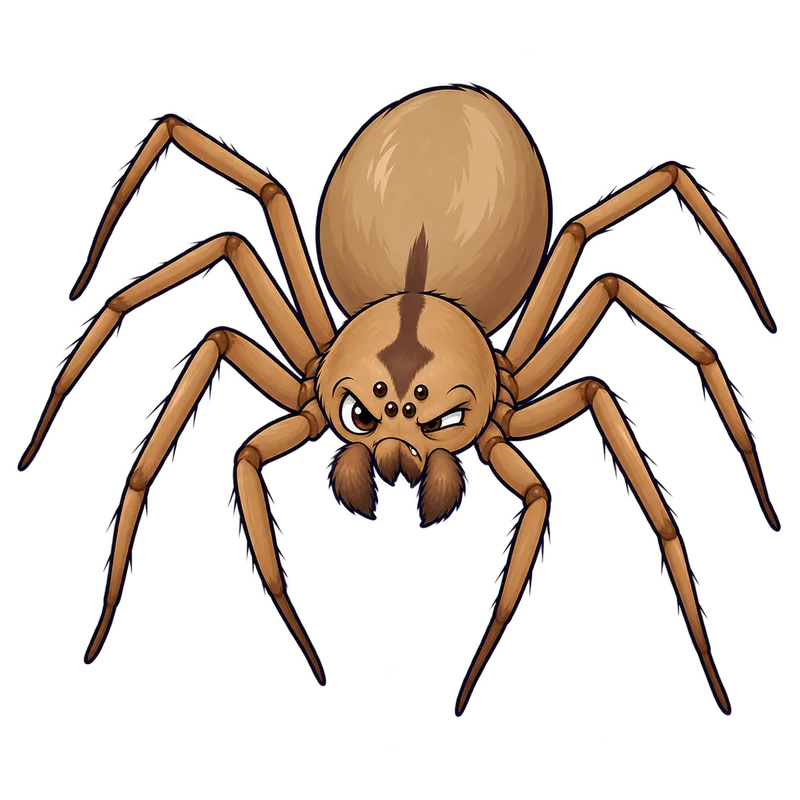
Yes, wolf spiders will eat brown recluse spiders if the two species happen to cross paths on open ground. However, wolf spiders operate as generalist predators that prefer easy prey like flies and crickets, and they will not clear out an infestation.
What is actually going on
Picture walking down the hallway to grab a glass of water in the middle of the night, flipping on the kitchen light, and spotting a hefty, hairy brown spider darting across the baseboard. Naturally, your mind jumps to worst-case scenarios involving venomous pests, and you might wonder if rounding up a few garden-variety wolf spiders to unleash indoors would solve the problem by letting them hunt down your uninvited guests.
To answer the question directly, yes, wolf spiders will eat brown recluse spiders if they happen to cross paths on open ground, but they are not going to clear out an infestation for you. Wolf spiders operate as generalist predators. They are the roving patrol officers of the arachnid world, sprinting across floors, lawns, and leaf litter to snap up whatever soft-bodied insects happen to cross their path, including crickets, flies, and beetles.
When a wolf spider bumps into a brown recluse out in the open, a fight usually ends with the wolf spider winning. A mature wolf spider is often larger, heavier, and far faster on flat surfaces than a brown recluse, which is built for quiet stealth rather than high-speed brawls. The wolf spider wraps its long, strong legs around the recluse and delivers a venomous bite.
So why can you not use them as a biological control squad? Think of bringing a barn cat into a house to catch mice while leaving an open pizza box on the counter. The cat will happily eat the easy pizza or go pick a fight with another cat before it digs behind the drywall to hunt down hidden rodents. Wolf spiders prefer easy prey like flies and crickets. Wild wolf spiders actually engage in a lot of spider-on-spider cannibalism and eat other predators when standard insect food grows scarce, but they do not actively hunt brown recluses. Their living arrangements also miss each other most of the time. Wolf spiders patrol the floor perimeters and open ground, while brown recluses prefer to stay tucked away inside dry, undisturbed voids, behind picture frames, or inside stacked cardboard boxes.
How to tell for sure
Before you try to figure out who is eating whom in your basement, you need to know what is actually crawling across your floor. Wolf spiders are large, hairy, and robust, usually patterned in shades of gray, brown, and black. If you look closely at their faces without disturbing them, they have eight eyes arranged in three distinct rows, featuring two very prominent, large eyes staring back at you from the middle row.
Brown recluses, on the other hand, look quite different. They usually measure between 6 and 19 mm in body length, and they feature a uniform yellowish-tan to dark golden-brown color without any spots or stripes on their abdomens. Their legs are long and uniformly colored, lacking the heavy spines or bands you see on other species.
To verify a brown recluse specimen with absolute certainty, you usually need a hand lens or ten times magnification. A true brown recluse must possess exactly six eyes arranged in three pairs, known medically as dyads, with distinct spaces between each pair. They also feature a dark violin-shaped marking on the top of the cephalothorax, which is the segment just behind the head, with the neck of the violin pointing backward toward the abdomen.
Keep in mind that plenty of harmless spiders have dark neck markings, so a pattern alone does not seal the identification. When a specimen is badly crushed, decomposed, or very young, positive identification in a casual setting is usually impossible. Never try to identify a pest spider based on a skin mark, a rash, or a photograph of a wound. Medical professionals cannot diagnose a spider bite by looking at a lesion alone, as true necrotic wounds from venom happen in a very small fraction of verified bites and are far more frequently caused by bacterial infections, tick bites, or skin conditions.
What usually comes next
Once you establish that you are dealing with wandering spiders or suspect a recluse population, you have to make a practical decision about how to handle the situation. Releasing outdoor wolf spiders inside your home is not a sound strategy, because they will simply scatter, find dark corners, or eventually die off rather than methodically clearing out wall voids.
Instead, reliable control relies on physical exclusion and habitat modification. You can start by sealing the gaps around your home. Check the foundation for cracks, inspect utility line penetrations, and install tight-fitting door sweeps that actually touch the floor threshold so spiders cannot crawl right underneath your exterior doors.
Sanitation is your next line of defense. Move firewood piles, rock stacks, and heavy brush at least twenty feet away from your house foundation to remove outdoor harborage areas. Indoors, clear away floor clutter, stop storing your belongings in cardboard boxes on the basement floor, and switch to sealed plastic storage bins instead. Vacuum regularly behind furniture, inside dark closets, and along baseboards, making sure to seal and discard the vacuum bag immediately afterward.
You can also place flat sticky glue boards along baseboards, behind toilets, and in dark garage corners to capture wandering spiders and help you gauge whether you have a larger population present. If you find a harmless wolf spider wandering indoors, you can simply herd it into a glass container using a piece of cardstock and safely release it outside.
When to get help
If you are dealing with multiple brown recluse spiders showing up across your living areas, basements, or attics, it is time to involve a licensed structural pest control company. Professional applicators have the specialized equipment, safety gear, and training required to inspect hard-to-reach wall voids, apply residual treatments safely, and establish a proper exclusion program.
On the health side, know when a bite needs a doctor. If anyone is bitten by a spider, wash the site thoroughly with soap and water, apply a cold compress or an ice pack wrapped in cloth for ten minutes at a time to reduce swelling, and elevate the limb. Never attempt to cut the wound, suction out venom, or apply unverified chemical home remedies.
Seek immediate medical evaluation if the victim is a young child, an elderly person, pregnant, or immunocompromised, or if symptoms progress beyond local pain to include spreading redness, a central white blister, dark discoloration, severe muscle cramping, fever, chills, nausea, or difficulty breathing. Contact your local poison control center for guidance, and always check your tetanus immunization status to see if a booster is required.