
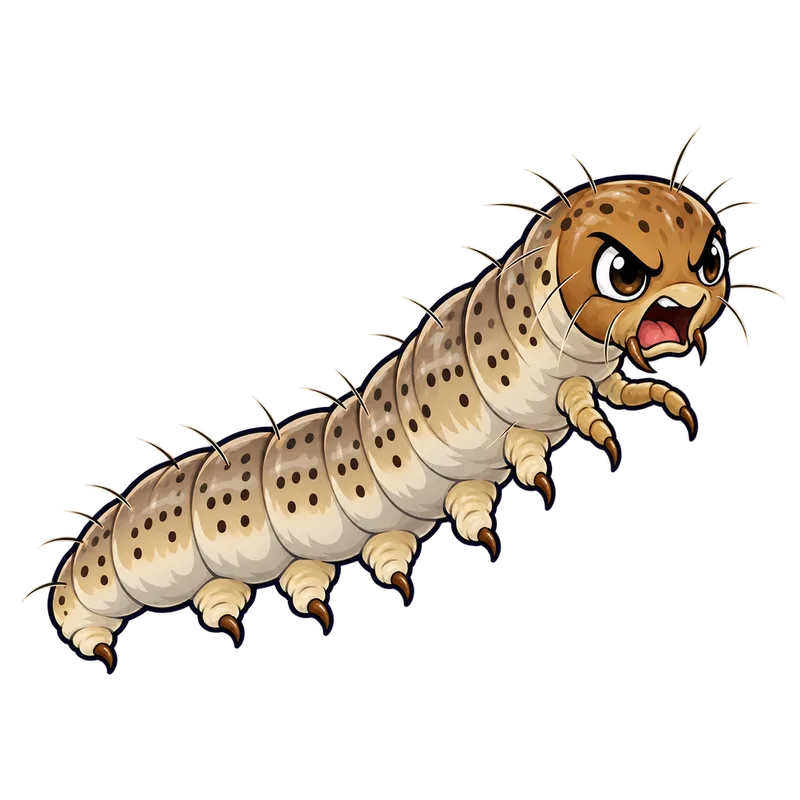
Sod webworms
Family Crambidae
- Size
- 1/2 to 3/4 inch adult wingspan, caterpillars up to 3/4 inch
- Color
- Dull brown, gray, tan, or green with dark spots
- Habitat
- Lawns, thatch layers, and sheltered landscape borders
- Diet
- Cool-season and warm-season turfgrass blades and stems
- Life cycle
- Overwinters as larvae, with two to three generations per year
Sod webworms are the larval stage of small grass moths that feed quietly in residential lawns. Stepping across an evening lawn and watching dull moths zig-zag away from your shoes is usually the first sign of their presence.
Identity
Sod webworms are not a single insect, but a diverse group of caterpillars belonging to the grass-moth family. When you walk across your lawn at dusk and small, dull brown or gray moths flutter up from under your feet, you are looking at the adult stage of the pest. These lawn moths have a distinct snout-like projection on the front of the head, formed by extended mouthparts called labial palps. At rest, temperate species fold their wings tightly around their bodies, while tropical species hold their wings in a triangular, jet-like posture.
Spotting the caterpillar requires looking closer, usually beneath the green canopy into the thatch layer. Mature caterpillars reach up to nearly three-quarters of an inch in length, wearing a variable pinkish-white, green, or yellowish-brown coat marked with distinct dark spots along each body segment. A brown or black head capsule anchors the front end. Because these insects spend their daylight hours hidden, confirmation often relies on a simple drench test using a mixture of liquid dish soap and water poured over a square yard of turf. The soap irritates the hidden larvae, forcing them to crawl to the surface within minutes so you can see if their numbers cross the critical threshold of fifteen or more per square yard.
Habitat & behaviour
These insects thrive across a wide range of turfgrasses, from northern cool-season Kentucky bluegrass down to southern warm-season St. Augustine and Bermudagrass. They show a particular preference for high-maintenance, closely mown lawns and newly established turf settings.
Life happens strictly on a nocturnal schedule for the caterpillar stage. During the day, the larvae remain out of sight inside tiny, silk-lined tubes or tunnels woven directly into the thatch layer or the top inch of soil. Once darkness falls, the caterpillars emerge to chew grass blades and stems right above the thatch line. They have a curious habit of severing the blades entirely and dragging them back into their silken burrows to consume at leisure. The adult moths lead a similarly sheltered daytime life, resting quietly in ornamental shrubs, tall weeds, or lawn borders before taking flight at dusk to scatter their eggs across the grass.
Visual variations
The life cycle brings a striking transformation from a flying adult to a thatch-dwelling caterpillar. Adult moths are delicate and small, measuring about three-quarters of an inch in wingspan for temperate species and roughly half an inch for tropical varieties, sporting nondescript shades of brown, tan, or gray that help them blend into the background of a wall or shrub.
The larval stage looks entirely different. A young caterpillar is slender, growing from a tiny hatchling up to nearly three-quarters of an inch long, featuring fine hairs and rows of dark spots on a pinkish-white, light green, or yellowish-brown body. Unlike social insects, sod webworms live solitary lives in their own silken burrows, meaning you will not find them clustered in colonies or sharing castes. The pupal stage remains hidden away in a silken structure within the soil or thatch, bridging the gap between the feeding caterpillar and the adult moth.
Why it matters
The presence of sod webworms means your lawn is actively losing foliage to a hidden chewing pest. Initial damage shows up as small, irregular brown patches of thinning grass that gradually expand and merge into larger dead zones. Close inspection reveals ragged chewing damage on individual blades, along with tiny green fecal pellets scattered through the thatch alongside silken webbing.
Homeowners often mistake this browning for simple summer drought stress, but unlike drought damage that rebounds with watering, webworm-injured turf remains thin and scalped because the physical tissue has been eaten away. Adult moths cause zero damage to the grass themselves, meaning treatments timed to coincide with peak moth flights are usually a wasted effort. Control measures must be aimed at the vulnerable young caterpillars that emerge roughly two weeks after the adult moths finish flying.
Similar species
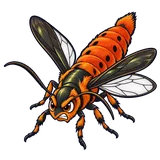 Squash vine borerMelittia cucurbitae
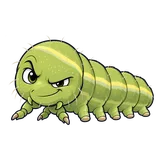 Imported cabbagewormPieris rapae
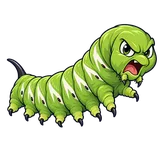 Tomato hornwormManduca quinquemaculata
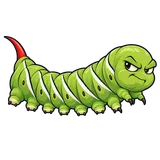 Tobacco hornwormManduca sexta
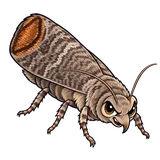 Codling mothCydia pomonella
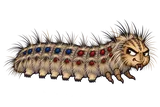 Spongy mothLymantria dispar