
How can sod webworm activity be distinguished from grub damage?
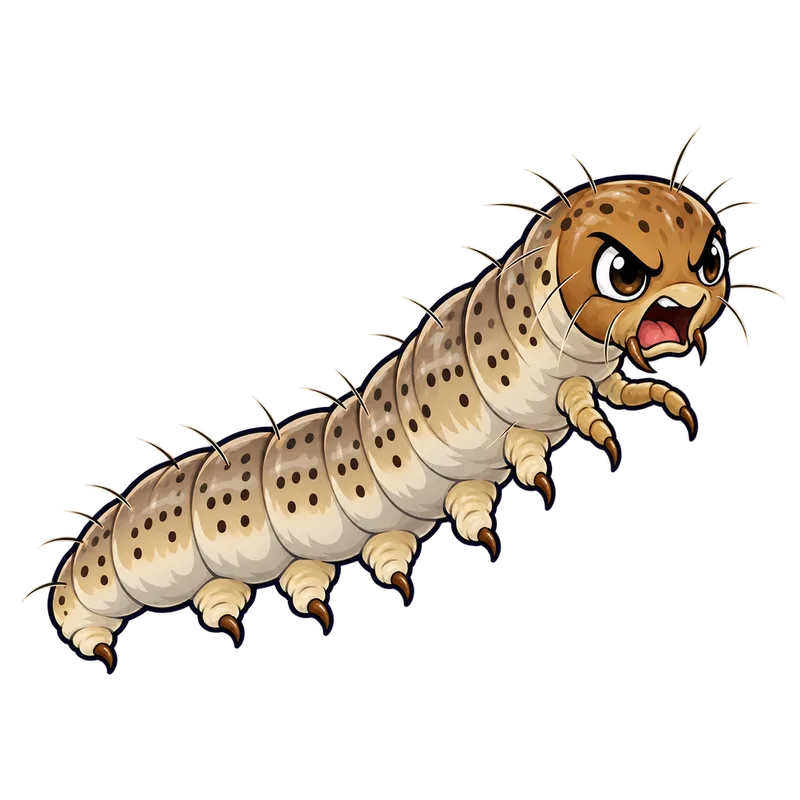
Sod webworm activity can be distinguished from grub damage by checking how firmly the grass is anchored in the soil and looking for physical clues. Webworm damaged grass stays firmly anchored because the roots remain intact, while grub damaged turf rolls back easily like a rug because the roots are completely severed.
What is actually going on
Picture walking out to check the sprinkler system on a warm Saturday afternoon and noticing a dull, straw-colored patch in an otherwise lush green lawn. You bend down to pull at a few brown blades, wondering if the dry weather finally got the better of that corner, but your hand comes away with a handful of dead turf that rolls right back off the dirt like an unrolled living room area rug. Or maybe the grass looks notched and tattered around the edges, feeling strangely springy underfoot like a thin foam mattress, yet when you yank on it, the turf stays firmly anchored to the soil.
You are looking at two entirely different underground and surface dynamics that tend to get lumped together under the catch-all panic of lawn disease or general drought stress. White grubs and sod webworms both leave brown patches in your yard, but that is where the similarity ends. They occupy different layers of your lawn, chew different parts of the plant, and require completely opposite troubleshooting steps to identify.
The core confusion happens because dead grass looks remarkably similar whether the roots were chewed off from below or the leaves were clipped off from above. People often grab a bag of whatever generic insecticide sits on the hardware store shelf and throw it at the lawn, hoping for the best. Understanding what is happening beneath the surface changes everything about how you fix it.
How to tell for sure
Sod webworms are surface feeders and thatch dwellers, whereas white grubs operate underground as root pruners. If you want to know which one is ruining your yard, you have to look at where the damage is happening and what physical clues the insects leave behind. You can usually part the grass blades with your fingers down to the crown and look closely at the thatch layer. Webworms construct tiny silken tubes and leave behind minuscule green or dark brown fecal pellets that look remarkably like someone spilled coarsely ground black pepper in the dirt. If you perform a liquid soap flush test by mixing liquid dish soap into water and pouring it over a square yard of turf, surface caterpillars usually scramble out of their hiding spots onto the grass tips within ten minutes.
White grubs, on the other hand, never come to the surface for a soap bath. They are the plump, milky-white, C-shaped larvae of scarab beetles living two to three inches deep in the soil, chewing away at the fibrous root system. You generally have to use a spade to cut a square of sod and roll it back like a hinge to inspect the root zone for these crawlers.
Root anchorage gives you the first major clue because webworm-damaged grass stays firmly anchored to the ground since the roots remain intact. Grub-damaged grass has its roots completely severed, allowing the turf to peel back cleanly from the soil. Feeding signs also differ significantly, as webworms notch, clip, and skeletonize leaf blades at night, leaving ragged edges, while grubs cause a general wilting and browning because the plant has lost its hydraulic connection to water. Furthermore, heavy grub populations frequently attract skunks, raccoons, and crows that tear up large sections of turf to feed on the protein-rich larvae, whereas webworms rarely draw digging mammals, though birds might peck at the thatch.
What usually comes next
Once you finish your detective work and figure out which pest you are actually dealing with, you have to match your game plan to the biology of the insect. Getting that part backward means your weekend work goes to waste.
If your soap test reveals a crowd of sod webworms, you are looking at a surface issue. When you spray for webworms, you want to do it late in the day when these little caterpillars wake up to eat, and you specifically want to avoid watering the treatment into the ground. The product needs to sit right on the grass blades and the thatch layer where the webworms live and feed, and you should hold off on mowing for a couple of days so you do not clip away the treatment.
If your spade test uncovers a mess of white grubs, you are dealing with a root zone problem instead. Grub treatments require the exact opposite approach from top to bottom. You need to apply the product and then water the lawn thoroughly right away to push the chemical down through the thatch and into the soil where the grubs are actually living. If you just leave a grub treatment sitting on top of the dry thatch, the sun breaks it down and it never gets to where the damage is happening.
When to get help
Massive turf damage spreading across a large yard, a commercial property, or a brand new lawn can quickly become too much for a single weekend project. If the infestation takes over wide sections, or if local rules mean you need specialized licenses to handle the products required for a massive population, you should call in a licensed pest control professional or turf specialist.
Never try to figure out skin rashes, allergic reactions, or strange bites on family members or pets by guessing they came from lawn bugs. If anyone starts having persistent skin irritation, trouble breathing, or other unexpected symptoms after working in the garden, get in touch with a doctor or a poison control center right away.
Environmental safety also sets some strict limits on what you should tackle by yourself. Common chemical treatments can pose real hazards to nearby ponds, streams, fish, and helpful insects like honeybees. A trained professional knows how to set up their equipment properly, keep non-target animals safe, and apply products according to local rules without turning your backyard into an ecological hazard zone.