
What do tent caterpillars mean for a defoliated tree?
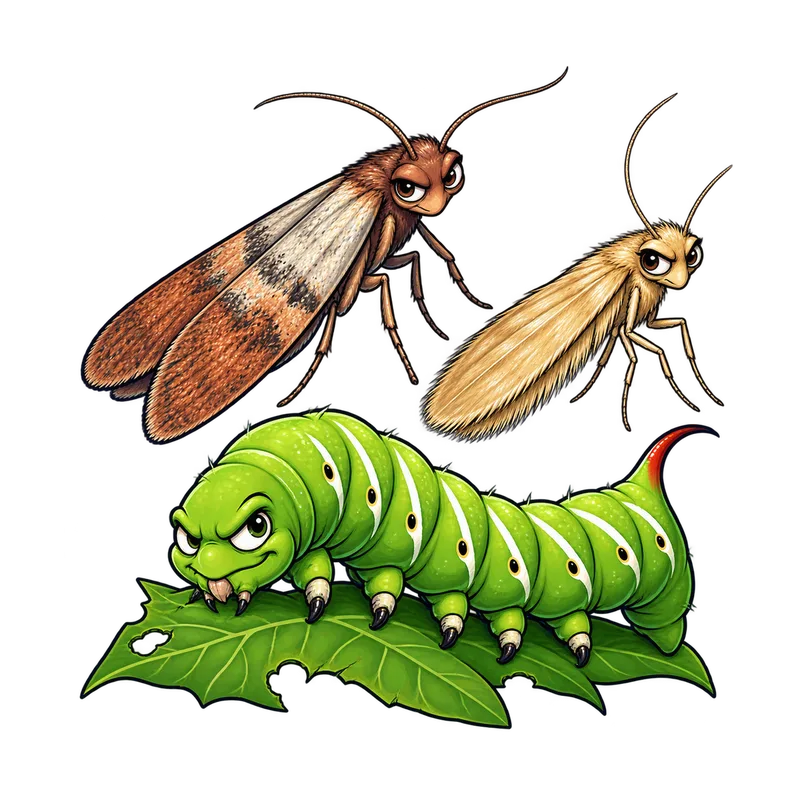
Tent caterpillars stripping a tree of its leaves is usually not a death sentence, because most established trees carry enough reserve energy to survive a single season of heavy feeding. The real danger depends on whether the tree is already struggling with a drought, compacted soil, or root damage.
What is actually going on
You step out onto the back patio on a crisp morning in May, coffee mug in hand, and look up at your favorite flowering crabapple tree. Half the branches look like they survived a fire, draped in dirty grey cobwebs and stripped completely bare of every last hint of green. It is enough to make you think the tree is a goner and reach for the nearest pruning saw or a propane torch. Before you panic and do something you might regret, take a breath. What you are looking at is the handiwork of tent caterpillars, and while a defoliated tree looks dramatic and frankly pathetic, it is usually not a death sentence.
A healthy deciduous tree operates much like a household with a healthy savings account. In the early spring, when the buds burst open, the tree draws heavily on its stored carbohydrate reserves to push out that first flush of tender leaves. When tent caterpillars come along and chew through that fresh foliage, they cut off the tree's ability to manufacture new energy through photosynthesis at the exact moment the tree is spending its savings.
So why does the tree usually survive? Because most established trees carry enough reserve energy to weather a single season of heavy feeding. If the soil moisture is decent and the roots are healthy, the tree will simply hunker down, realize it has been caught short, and push out a second round of leaves later in the spring or early summer. The real danger does not come from the caterpillars eating the leaves. The danger comes when defoliation hits a tree that is already starving for water because of a brutal drought, choking in heavily compacted urban soil, or suffering from root damage.
How to tell for sure
Finding out who is living in your trees usually starts with a bit of detective work in the early spring, long before the canopy fills out entirely. You want to look closely at the branch forks and crotches, usually on wild cherry, apple, crabapple, or ash trees, where you will typically find the unmistakable silken web-nests of the Eastern tent caterpillar. These are the ones that spin prominent, messy tents high up in the croches of the branches.
If you do not see any nests at all, but the leaves are still disappearing, you might be dealing with the Forest tent caterpillar. This cousin does not build silken web-nests, so you will not find a tent to scrape down, which often catches homeowners completely off guard. You have to look at the actual caterpillars instead, which usually display distinct markings along their backs.
Timing also tells you a lot about your visitors. Tent caterpillars are spring pests. If you notice large silken webs draped over branch tips in late summer or autumn, you are looking at Fall webworms, not tent caterpillars. Mixing those two up matters because spraying a spring pest with autumn logic will leave you wondering why nothing is happening. You can also tell a lot by watching their daily schedule. Tent caterpillars follow a strict routine, usually retreating into their web-nests at night or during chilly mornings, and crawling out into the canopy to feed during the warmth of the day.
What usually comes next
Once you have figured out who is eating your yard, you have to decide whether to act, remembering that doing nothing is frequently the smartest move for a mature tree that is otherwise doing well. If the problem is small and low enough to reach, the easiest fix is often the best one. Head out early in the morning or late in the afternoon while the caterpillars are hanging out inside their tent, and pull the whole mess down into a bucket of warm, soapy water. You can also clip away mildly infested twigs, but avoid the temptation to start heavy pruning. Sawing off major limbs just to chase a few bugs creates wounds that hurt the tree far more than missing a handful of leaves.
Never attempt to burn the tents out with a blowtorch or any other open flame. Setting fire to a tree is a quick way to scorch the living bark and destroy the delicate growing layer underneath, which can easily kill a branch or permanently ruin the trunk.
If you choose to use a microbial spray, timing makes all the difference. It only works on tiny, newly hatched caterpillars that are usually under half an inch long. Once those larvae grow bigger, the treatment stops working. For massive shade trees, heavy outbreaks, or simply if you would rather not deal with it yourself, you can call your local extension office or hire a licensed arborist for advice that fits your specific trees and region.
When to get help
There are times when a stripped tree stops being a minor nuisance and turns into a real emergency. If your tree loses its leaves year after year and now shows dead branches at the very top of the canopy, or if you spot strange sprouts shooting straight out of the main trunk, the tree is struggling and needs a professional look. Check the bark for secondary warning signs like D-shaped holes, deep splits, leaking sap, or mushrooms growing along the trunk, which usually mean wood-boring insects or plant diseases have moved in to finish the tree off.
If you happen to live in parts of the United Kingdom or Ireland, the rules for identification change completely and safety comes first. Hairy caterpillars that build silken webs on oak trees over there might be the Oak Processionary Moth. Never touch or try to crush these caterpillars with your bare hands, since their tiny hairs carry toxins that trigger nasty skin rashes, eye irritation, and breathing trouble in people and pets. If you think you have found them, stay away, talk to a doctor if you or someone in your house reacts badly, and report the sighting straight to the local plant health authorities.