
How do you inspect boxwood for box tree moth larvae?
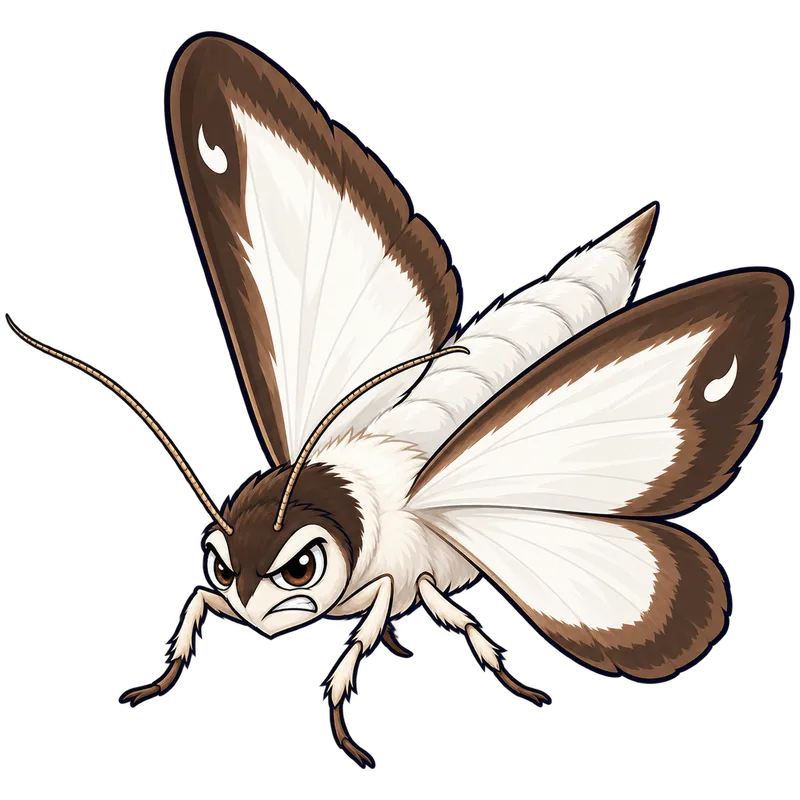
To inspect boxwood for box tree moth larvae, you must physically part the thick outer branches and search the shaded interior of the shrub for green and black striped caterpillars. Look closely for leaves tied together with fine silk, windowpane damage on the undersides of leaves, and tiny dark fecal pellets.
What is actually going on
You step out onto the porch with your morning coffee, glance over at the neat, round boxwood hedge by the driveway, and notice a patch of foliage that looks strangely bleached and dusty. A closer look reveals that the neat little green leaves are tied together with fine threads, and some parts of the bush look like a skeletonized mess rather than a tidy green wall. You are not just dealing with routine summer leaf drop or a bit of sun scorch. You are likely looking at the handiwork of box tree moth larvae, an invasive caterpillar that treats traditional boxwood hedges like an open buffet.
Inspecting your plants for these insects is not a matter of taking a quick glance from three feet away. These caterpillars are masters of camouflage, especially when they are small and hiding on the undersides of leaves or deep inside the dense, shaded interior of the shrub. Because boxwoods are planted so densely in modern yards, they create a dark, protected microclimate where caterpillars can munch away undisturbed for weeks before the casual observer notices the top canopy turning brown.
The damage happens in two distinct phases depending on how old the caterpillars are. Younger larvae stick to grazing on the lower layer of the leaf while leaving the upper skin intact, creating translucent patches. Older larvae spin tough silken webs to bind the leaves and twigs together, turning the inner canopy into a messy, webbed-up shelter where they devour entire leaves right down to the tough center vein.
How to tell for sure
To confirm what you are dealing with, you usually have to look past the general decline of the plant and search for specific physical evidence. Start by standing a couple of feet away to check the outer canopy for patches of missing leaves, browning foliage, or visible strands of silk. Next, you need to roll up your sleeves and physically part the thick outer branches to inspect the shaded interior of the bush, which is usually where the trouble starts.
Turn over green and discolored leaves to check for windowpane damage. Younger larvae peel away the lower leaf surface while leaving the upper green cuticle intact, creating a subtle patch that looks like a dirty windowpane. If you see leaves tied together with silk, check inside those webs for green and black striped caterpillars, dark fecal pellets that look like tiny grains of sawdust, and the dry, papery cast skins left behind as the insects grow. Older larvae skeletonize the foliage, consuming all the green leaf tissue until only the tough central midribs remain.
You should also rule out other common boxwood issues that look similar at a glance. Boxwood leafminer larvae live completely inside the leaf tissue, causing raised, swollen blisters rather than chewing from the outside or spinning webs. Boxwood psyllids cause the young terminal leaves to cup tightly together with a white, waxy secretion, but they never leave behind silken webbing or skeletonized ribs. If you see clean, delicate spider webs without bound leaves, frass, or skeletonized foliage, you can rule out the moth entirely.
What usually comes next
Once you spot those familiar webbed tents, grainy droppings, and skeletonized leaves, you have to decide what to do next. If you confirm an active population of caterpillars chewing up your shrubs, your approach depends heavily on how bad the damage is and what local plant health rules say. In places where agriculture departments track every new sighting, finding these pests outside of known quarantine zones usually means you need to report the find so officials can keep an eye on how far the moth is spreading.
For a handful of caterpillars on one ornamental bush, hand-picking them off can work wonders if you catch the problem before it snowballs. When you look into sprays or biological controls, the instructions on the product label are absolute. Bacterial sprays only work when the caterpillars actively eat the treated foliage, which means you have to time your application right and coat every single surface. If the damage is severe and your expensive hedges are dropping leaves by the handful, you have to decide whether it is worth treating them year after year or if digging them out and planting something else is the smarter move.
When to get help
There are times when a casual look and a bottle of garden spray just will not cut it, and bringing in outside help is the smartest move. If you live somewhere the moth is tightly regulated and you spot one outside the usual zones, you need to take clear photos and report it through your local agricultural extension or forestry website.
You should also bring in a licensed professional or a commercial landscape company when the hedges are too tall for home equipment, or when the damage is so widespread that entire sections are dying off. Professionals carry high-pressure sprayers that punch through dense foliage to reach the center of the bush, and they know the local laws about handling restricted products. If you happen to spot hairy, unfamiliar caterpillars on nearby shade trees instead of your boxwoods, keep your distance and make a call. Some of those other caterpillars have defense hairs that cause nasty skin rashes and breathing trouble if you touch them.