
Tomato hornworm damage vs other chewing insects: what differs?
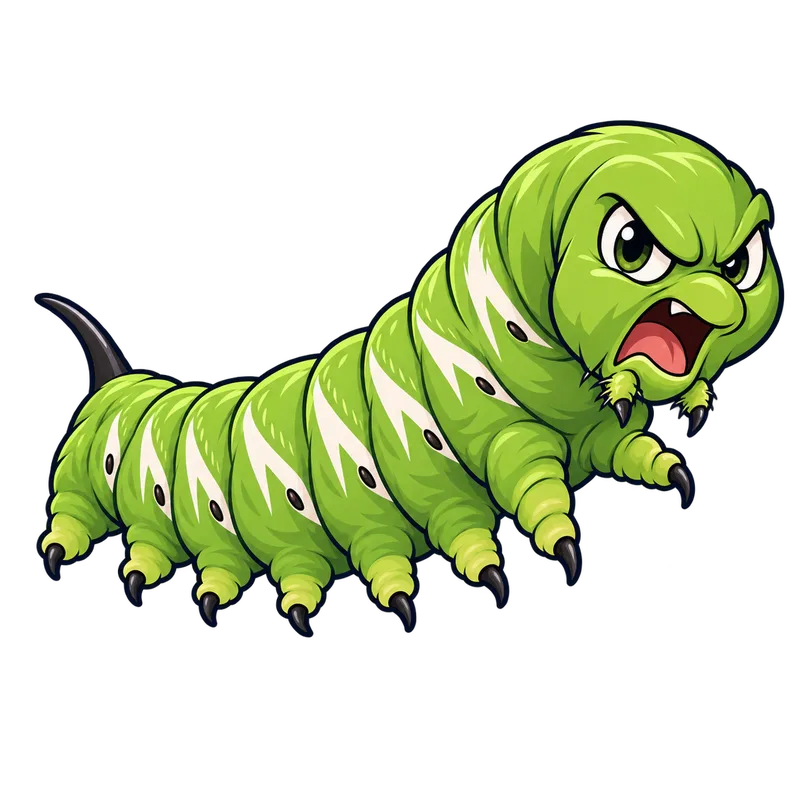
Tomato hornworm damage differs from other chewing insects because these caterpillars concentrate their feeding heavily in the upper third of the plant, consuming whole leaves, stems, and green fruit with massive gouges. Other insects leave distinct signatures, such as flea beetles peppering foliage with tiny shot holes, cutworms slicing main stems at soil level, and Colorado potato beetles skeletonizing leaves.
What is actually going on
You walk out to the garden on a quiet Tuesday morning with your coffee, glance at your prized tomato plants, and stop cold. Half the top canopy looks like it has been put through a woodchipper. Whole leaves are missing, bare leaf stems stick out into empty air, and your beautiful green fruit has massive, ragged gouges taken right out of the shoulders. Yet, only yesterday, the plant looked lush and fine. Naturally, you wonder what kind of hungry beast moved in overnight to wreak this kind of havoc.
People usually blame whatever bug they happen to spot first on the leaves, but garden pests operate with entirely different styles. If you are dealing with a tomato hornworm, you are looking at damage concentrated heavily in the upper third of the plant. These caterpillars grow up to 4 inches long, and they spend their final growth stage acting like miniature lawnmowers. They consume about 90% of their total lifetime food intake in just a few days right before they crawl down to pupate. That sudden explosion in appetite creates the illusion that the pest arrived out of nowhere, when in reality a smaller hornworm was quietly munching away unnoticed for weeks.
Other chewing insects leave completely different signatures behind. Flea beetles do not strip whole branches, preferring to pepper the leaves with tiny, scattered shot-holes that make the foliage look like it took a round of birdshot. Cutworms stay down at the soil level, slicing right through the main stem of young transplants at night and leaving your prize seedling topple-felled by morning. Colorado potato beetles skeletonize leaves from the outside inward, chewing away the soft green tissue while leaving a stubborn web of tough main veins intact.
How to tell for sure
Figuring out the culprit usually comes down to looking at the specific location of the damage and the calling cards left behind. Hornworms are masters of disguise, pressing their green, white-striped bodies tightly against the underside of main stems where they blend right in with the foliage. If you look at the leaves directly beneath the stripped upper branches, you will usually find large, dark green or black barrel-shaped droppings, known as frass, ridged like tiny pumpkins. Other pests do not drop waste of that size or shape.
If your tomato plant is losing its leaves from the bottom up rather than the top down, or if the damage looks like a fine lacework skeleton, you can usually rule out hornworms immediately. Look for the pests themselves during the early morning or late afternoon when they are most active. A hornworm features a distinct horn on its rear end, though whether that horn is straight and black or curved and red depends on the exact species.
It also helps to check what is happening to the fruit. Hornworms leave broad, open, shallow-to-deep surface gouges on green tomatoes. If you see a clean, small entry hole with a hollowed-out interior and soft decay inside the tomato, you are dealing with a fruitworm rather than a hornworm. If the leaves are covered in tiny, pinhead-sized holes and a microscopic black beetle hops away the second your shadow falls over the plant, you have flea beetles instead.
What usually comes next
Once you confirm you have hornworms rather than beetles or cutworms, you have to make a practical choice about how to handle them. For most home gardens, physical removal remains the most effective and satisfying approach. Put on a pair of garden gloves, scan the upper canopy, pick the caterpillars off the stems by hand, and drop them into a bucket of soapy water.
There is one major exception worth keeping in mind. If you pick up a hornworm and notice its back covered in white, rice-grain-like silken cocoons, leave it right where it is. Those cocoons belong to beneficial parasitic wasps that laid their eggs inside the pest. That particular caterpillar has already stopped eating your tomatoes and is serving as a living nursery for the next generation of garden defenders.
If you prefer using sprays, timing is everything. Biological sprays containing specific bacterial strains usually only work on small hornworms that measure less than half an inch long. Once a hornworm reaches 2 or 3 inches in length, sprays will generally not save your harvest, and handpicking is your only real option. Standard caterpillar sprays will also do nothing if your actual problem turns out to be beetles, so positive identification always has to come before you reach for any bottle.
When to get help
Most home garden pest issues can be managed with patience, handpicking, and careful observation, but certain situations call for outside assistance. If you are operating a commercial agricultural setup or managing large-scale crops where synthetic chemical controls or restricted-use pesticides are necessary, you must rely on a licensed professional applicator who understands local regulations and pre-harvest safety intervals.
Get in touch with your local university extension service or an agricultural diagnostic lab if your plants show rapid dieback, widespread wilting, or unusual symptoms that do not match standard chewing damage, as plant viruses or bacterial wilts can sometimes mimic insect injury. If you handle blister beetles while trying to clear out a concentrated swarm and accidentally get their defensive fluid on your skin, causing severe blistering, or if anyone experiences a bad reaction to accidental pesticide exposure, reach out to a medical clinician or your regional poison control center right away.