
What are codling moth traps measuring in a home orchard?
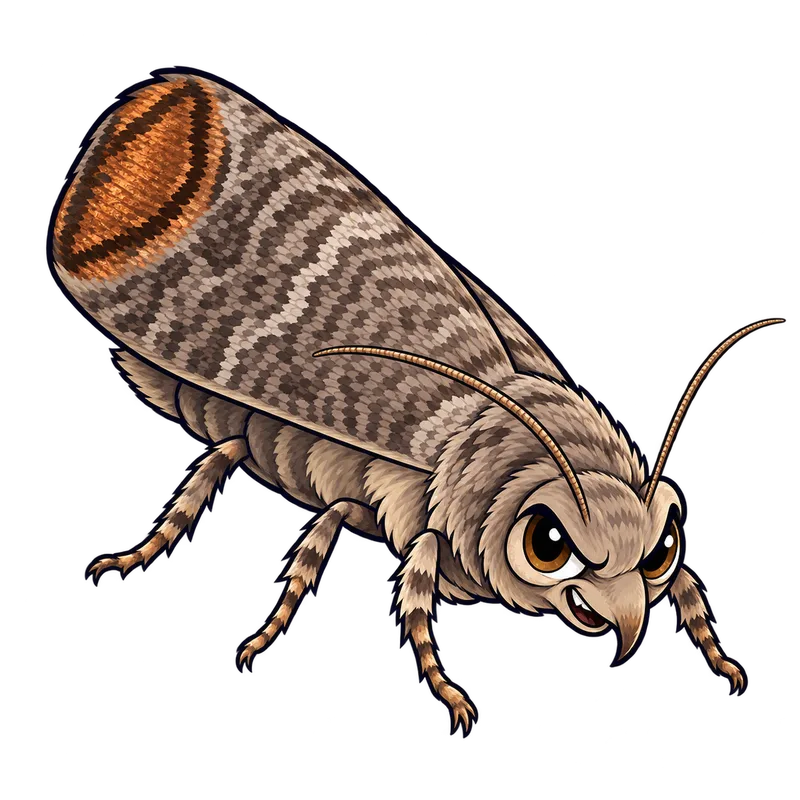
Codling moth traps in a home orchard are measuring the presence, seasonal flight timing, and relative population activity of adult male moths. This data helps establish a local biofix date for degree-day developmental modeling rather than measuring overall fruit infestation rates.
What is actually going on
Picture yourself walking out to your backyard orchard on a warm evening in late spring, picking up the small green tent-shaped trap hanging from an apple branch, and finding a few small moths stuck to the bottom liner. You might assume those trapped bugs are the entire problem, or that catching them means you have successfully stopped the damage. In reality, codling moth traps are measuring the presence, seasonal flight timing, and relative population activity of adult male codling moths to establish a local biofix date for degree-day developmental modeling, rather than measuring overall fruit infestation rates or providing direct pest population control.
A lot of people hang these traps expecting them to act like bug zappers or vacuum cleaners that clear out the tree, but that is not how they work at all. The synthetic lure inside releases a scent mimicking a calling female, which draws in flying males from the neighborhood and catches them on a sticky floor. But those captured males are only half the equation, and trapping them does nothing to stop other males from mating, nor does it catch the female moths or the caterpillars that eventually ruin the fruit. Think of the trap as a starter pistol at a track meet. When the first sustained catch happens, it simply tells you that the racing clock has started. It does not mean the race is over, and it certainly does not mean your apples are safe.
This timing metric matters because codling moth larvae are relentless. Once an egg hatches, the tiny caterpillar crawls across the fruit surface seeking an entry point, often choosing the spot where two apples touch or where the blossom meets the fruit. The moment that caterpillar bites through the skin and burrows inside, it is completely protected from surface sprays, organic washes, and natural barriers. Therefore, knowing when the flight begins allows local extension services or weather stations to track heat accumulation so you can target your sprays at the exact window of egg hatch, before the door is locked from the inside.
How to tell for sure
If you want to know what is flying around your trees, you usually need to look closely at the insects in the trap and the damage on the fruit. Codling moth adults are small gray-brown insects, usually measuring about half an inch long, with distinctive dark, coppery patches at the tips of their wings that look like little metallic stamps. When you inspect a damaged apple, you will usually find a small round entry hole surrounded by dark brown, crumbly frass that looks like sawdust pushed out from a tunnel.
It is easy to confuse these signs with other common orchard pests if you do not check the details. Plum curculio leaves a distinct crescent-shaped scar on small developing fruit, and its larvae are legless grubs rather than true caterpillars. Apple maggot flies create winding, rust-colored decay trails throughout the flesh of the fruit without leaving a clean entry hole packed with frass. If you cut open an infested apple and find a creamy-white or pinkish caterpillar with a dark brown head capsule and small legs, you are usually looking at a codling moth or a close cousin in the internal fruit-worm guild.
You should also remember that zero trap catches do not always mean zero risk. Mated female moths can easily fly into your yard from unmanaged trees down the street, and because they are already fertilized, they bypass pheromone traps entirely and lay eggs straight onto your fruit.
What usually comes next
Once you have your trap up and you have recorded that first biofix date of sustained male flight, the most practical decision you face is timing your orchard care around local heat accumulation rather than the calendar. Because insect development depends on temperature, you track daily heat units, known as degree-days, following your biofix date. This calculation helps you pinpoint the exact week when eggs are hatching in your specific microclimate.
When that hatch window approaches, you have to decide whether to apply organic or reduced-risk sprays, such as microbial products or horticultural oils, while the caterpillars are still crawling unprotected on the fruit surface. At the same time, you should lean heavily on physical orchard sanitation. Thinning your fruit clusters so that no two apples touch removes the sheltered crevices where young caterpillars love to hide, and picking up dropped or damaged fruit every few days stops larvae from escaping to pupate under the bark. If you are hoping to use mating disruption products, keep in mind that they usually fail in small backyard settings under 5 acres because wind and edge effects let outside moths slip right through.
When to get help
There are moments when a backyard gardener reaches the limit of what home monitoring can sort out. If you notice widespread internal fruit damage across multiple tree varieties but cannot find any entry holes, frass, or standard caterpillars, confident home identification has broken down. When you encounter unfamiliar pests, strange larval forms that lack legs, or symptoms that do not match standard descriptions, you should preserve a sample specimen in 70% isopropyl alcohol and take it to a local university extension office or a licensed crop advisor for proper laboratory confirmation.
You should also reach out to professional agricultural services if you suspect a regulated quarantine pest or an unusual invasive insect that requires official reporting under regional agricultural frameworks. If you ever experience accidental pesticide exposure, skin irritation, or chemical ingestion while treating your trees, do not attempt to self-diagnose or guess the remedy. Contact your local poison control center or seek professional medical care immediately.