
How do you inspect wool clothes for moth larvae?
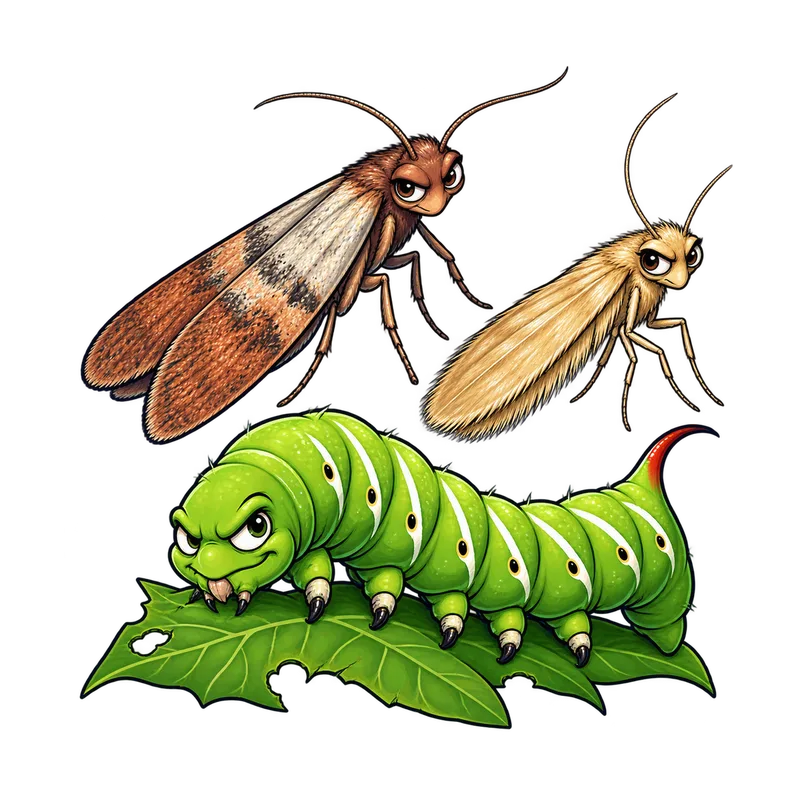
To inspect wool clothes for moth larvae, turn the garments inside out and examine concealed areas like seams, pockets, collar folds, and knitted cuffs under a bright desk lamp. Use a hand lens with ten times magnification over a clean white surface to search for silken feeding tubes, portable cases, or tiny fecal pellets.
What is actually going on
You pull that heavy navy wool coat out of the bottom wardrobe drawer after six months of warm weather, shake it out, and notice something disappointing. There are tiny, irregular holes near the lapel, and the wool nap around the cuffs looks scraped thin. You are not dealing with a ghost or an aggressive washing machine. You are looking at the handiwork of fabric pest larvae.
Adult clothes moths do not have functioning mouthparts and cause zero direct damage to your wardrobe. They fly around in a clumsy, fluttering way looking for dark, undisturbed places to lay eggs, but they eat nothing. The actual destruction is carried out entirely by the caterpillar stage that hatches from those eggs a few weeks later. Why do people often blame the fluttering adults they see on the ceiling, then? Because seeing an adult moth creates a false sense of urgency about the wrong target, while the real culprits are quietly munching away in the dark.
Because these caterpillars despise bright light, they hide away in the micro-habitats of your clothing. They head straight for the darkest, most concealed parts of a garment. If you want to find them before they ruin a favorite sweater, you have to look where they live, which means turning clothes inside out and examining the structural folds where seams, pockets, and collars trap dust and lint.
How to tell for sure
To inspect a wool garment properly, you usually need a bright desk lamp, a clean white surface to work over, and a hand lens providing ten times magnification. Lay the garment flat under the light, then systematically go through the high-risk zones. Check inside pocket linings, beneath collar folds, along zipper tapes, behind lapels, and up inside knitted cuffs. How can you tell if the damage comes from a moth or a beetle if you do not spot the insect itself?
You usually find one of three distinct types of evidence, and the specific kind tells you which insect you are dealing with. Webbing clothes moth larvae spin fixed silken feeding tubes or flat sheets directly onto the fabric surface. Casemaking clothes moth larvae build an open-ended portable case out of silk and woven bits of your clothing, dragging this tiny, fiber-covered tube around like a backpack as they graze. Carpet beetle larvae, often called woolly bears, leave behind no silk webbing or cases at all. Instead, they drop bristled, hollow cast skins and tiny fecal pellets, usually causing broader patches of continuous damage rather than isolated small holes.
You also have to know the difference between pest eggs and pest waste. People often mistake frass, which is the hard, opaque fecal pellets excreted by feeding larvae, for moth eggs. Frass matches the exact color of the dyed wool you wear. True moth eggs are minute, soft, translucent specks that are unattached and easily crushed. If you spot tiny, dark, hard pellets rolling around the seams of your woolens, you are looking at larval waste rather than eggs waiting to hatch.
What usually comes next
Once you spot the damage and confirm the culprit under magnification, you have to make a practical decision about deinfesting the garments. You cannot simply brush the items off and hang them back in the closet, because microscopic eggs or hidden early-stage larvae will keep eating. What is the most reliable way to clear a garment without ruining the fabric?
For washable woolens, laundering in hot water reliably kills all life stages while washing away the body oils and food spills that attract pests in the first place. Non-washable items generally go to a professional dry cleaner. Another reliable household method involves cold treatment. You can wrap the clean wool garment in a dry cotton bedsheet, seal it tightly inside a polyethylene plastic bag after squeezing out the air, and place it in a freezer maintained at zero to negative four degrees Fahrenheit for at least forty-eight to seventy-two hours.
When you take frozen clothes back out, let them warm up slowly to room temperature inside the sealed bag so moisture does not condense on the wool fibers. Pressing garments with a hot iron also destroys every insect stage. Never spray liquid household insecticides directly onto your clothing or bedding, as chemical residues on wearable items present significant health and skin contact risks. Leave direct chemical applications to situations where a professional deems them necessary.
When to get help
Most household moth and carpet beetle issues respond well to thorough laundering, freezing, and careful closet cleaning. However, certain situations require a professional. If an infestation extends far beyond a few garments into wall-to-wall wool carpeting, floor voids, or multiple upholstered furniture pieces, you need a pest control operator.
High-value museum pieces, historic antique costumes, or fragile tapestries require specialized care rather than standard home freezing or washing, often needing professional chamber fumigation or controlled-humidity heat treatment. If you ever suspect you have encountered a regulated quarantine pest such as the Khapra beetle in imported goods or personal luggage, stop what you are doing. That kind of finding requires immediate containment and notification of agricultural authorities rather than a do-it-yourself fix.