
What should you inspect when pantry moths are found in pet food?
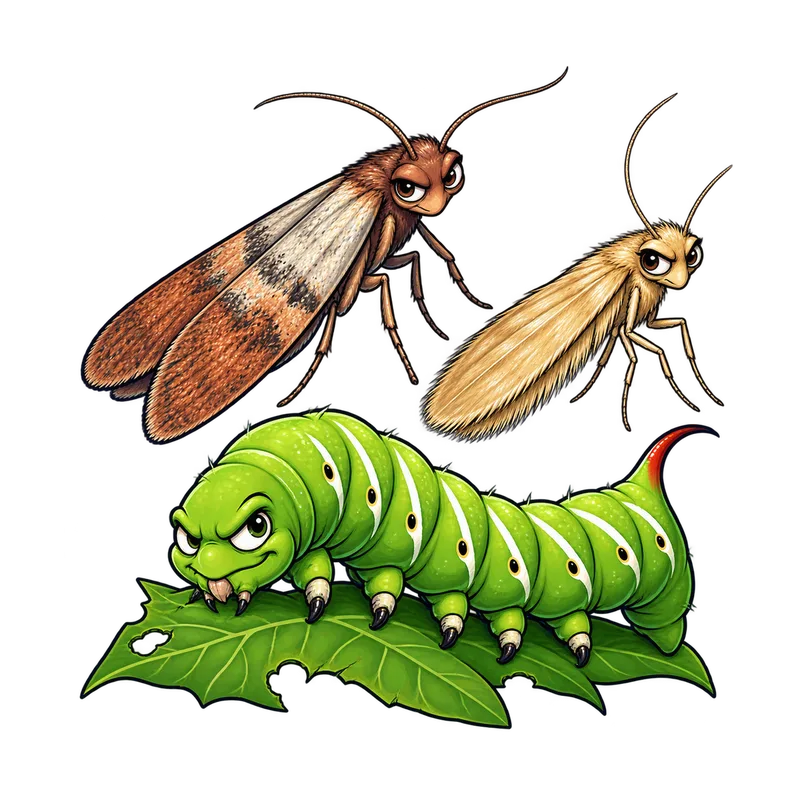
When pantry moths are found in pet food, you must inspect the primary food package including its seams, seals, and the kibble itself for silken webbing or frass. You also need to audit all adjacent pet foods, bird seeds, and human dry goods, along with nearby cabinet cracks, crevices, and shelf joints.
What is actually going on
You walk into the utility room to scoop dinner for the dog, and a small, two-toned moth flutters lazily out of the open bag of kibble and lands on the wall. When you look closer inside the bag, the food looks clumped together, almost as if someone spilled a little water in it, and there is a fine, silky haze binding the pieces of meal. You are dealing with pantry moths, specifically the Indian meal moth, and they have decided your pet food is an all-you-can-eat nursery.
When pantry moths show up in pet food, you need to inspect the primary food package including its seams, seals, and the kibble itself for silken webbing or frass. But stopping at that single bag is a mistake because the infestation rarely stays contained. You also need to audit all adjacent pet foods, bird seeds, and human dry goods in the pantry, along with nearby cabinet cracks, crevices, and shelf joints where wandering larvae go to pupate.
The adult moths you see flying around are actually harmless to the food themselves since they do not eat, but they spend their short lives mating and laying eggs in anything rich in protein and fat. The real damage comes from the caterpillars hatching inside the bag. They chew through the kibble, spin silken feeding tubes, and leave behind waste pellets. Once they grow plump on your expensive dog or cat food, they crawl right out of the package, trekking up the wall to find a quiet structural corner to spin a cocoon.
How to tell for sure
An inspection relies on spotting the physical evidence left behind by each life cycle stage. Start by examining the outside of the pet food bag. Look closely at the paper seams, folded top seals, handles, and bottom corners for silken webbing or tiny pupal cocoons. If you find a bag that is spilling grain or meal from a torn seam, you usually have a major entry and exit point.
Next, dig into the kibble mass itself. Sift through the food to check for clumping caused by silken feeding tubes, active crawling caterpillars that are usually around half an inch long, and tiny fecal pellets, which look like fine dust or sand. If you see tiny, pale specks crawling around that look like moving dust rather than insects, you might also have grain mites sharing the space, especially if your utility room stays humid.
You can usually tell Indian meal moths apart from other household pests by looking at their wings. The adults have a distinct two-toned pattern where the base is pale grey and the outer half looks like it was dipped in reddish-brown or coppery paint. If you spot smaller, reddish-brown beetles crawling in the mix, take a closer look at their antennae. Cigarette beetles have saw-toothed antennae while drugstore beetles have a three-segmented club at the tips, and both are frequent co-infesters of dry animal feed.
What usually comes next
Once you confirm the infestation, you have to decide what stays and what goes. If the pet food is heavily webbed, clumped, or crawling with larvae, double-bag it in heavy-duty plastic, seal it tightly, and take it straight out to an outdoor waste bin. Never toss infested food into an indoor kitchen trash can because the caterpillars will just crawl back out to pupate under your cabinets.
For uninfested or lightly exposed pet food or bird seed, you can use cold deinfestation to salvage it. Put the dry food into airtight polyethylene plastic bags, squeeze out the air, and place it in a freezer set to zero degrees Fahrenheit for anywhere from forty-eight hours to a week. This kills every stage from egg to adult. Just remember to let the bagged food warm up completely to room temperature before you open it so condensation does not ruin the dry kibble.
Cleaning the surrounding area matters just as much as treating the food. Vacuum every cabinet shelf, corner joint, crack, and baseboard to suck up loose grain, stray eggs, and hidden pupae. Empty your vacuum canister or throw away the bag outdoors immediately. Wipe down the storage shelves with hot, soapy water and let them dry thoroughly. Moving forward, store all dry dog food, cat treats, and bird seed in rigid glass, metal, or heavy plastic containers with airtight seals instead of leaving them in the original paper bags.
When to get help
Most pantry moth issues yield to thorough cleaning, throwing out bad bags, and airtight storage, but certain situations call for backup. If the infestation is truly pervasive, meaning it has penetrated inaccessible wall voids, drop ceilings, or your HVAC ductwork, you will want to bring in a professional pest control operator to handle it. Commercial facilities, multi-unit apartment buildings, or large kennels also require licensed applicators for structural treatments.
Keep health and safety in mind when dealing with these pests and their cleanup. Stored product pests and grain mites contaminate pet food with allergenic proteins, cast skins, and waste dust. Inhaling or touching heavy concentrations can trigger allergic rhinitis, eye irritation, or asthma symptoms in sensitive people and animals. If you or a family member experience unexpected skin reactions or breathing difficulties, consult a clinician right away, and direct any pet health concerns to a veterinarian.
Never apply household insecticide sprays directly to pet food, feeding dishes, or pet resting areas. If you use residual crack-and-crevice treatments around baseboards, keep pets and children completely away until the liquid has dried. Remember that synthetic pyrethroid sprays are highly toxic to cats and aquatic life, so cover fish tanks and keep pets out of the room during application.