
How do you get rid of plaster bagworms in a house?
Getting rid of plaster bagworms in a house requires high-efficiency vacuuming, physical removal of infested materials, and dropping indoor humidity below 50%. Success depends on tackling the hidden moisture trapped in your wall plaster or drywall, since chemical sprays only offer temporary relief.
What is actually going on
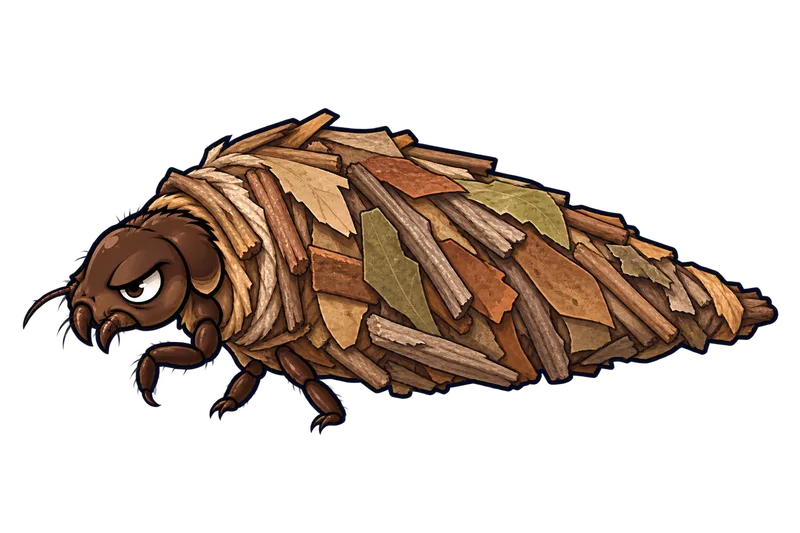
Imagine walking down your hallway, glancing toward the corner where the wall meets the ceiling, and noticing a tiny, gray, seed-like pod clinging quietly to the paint. At first glance, you might think it is a stray flake of drywall or a bit of dried mud. Then, suddenly, it inches forward. You are looking at a plaster bagworm, a caterpillar that builds itself a portable sleeping bag out of silk, dust, and microscopic debris. It drags this armored little shelter wherever it goes, poking out only its head and front legs to graze on the invisible film of mold and organic lint coating your walls.
Getting rid of these pests requires a coordinated routine centered on high-efficiency vacuuming, physical removal of infested materials, and dropping your indoor humidity below 50%. You also have to tackle the hidden environmental cause behind them, which is usually moisture trapped in wall plaster or drywall. Freshly applied plaster acts like a damp sponge, brewing an invisible mold buffet for soft-bodied grazers. If your house stays humid, no amount of quick spraying will stop them from coming back.
The first instinct most people have is to grab a can of bug spray and go wild along the baseboards. But chemical aerosols only provide a temporary knockdown, failing to address the stagnant moisture and organic dust that keep these creatures alive. Treating the symptoms without fixing the habitat means you will just be repeating the exercise next season. Instead, you need to disrupt their moisture supply and physically clean out their hiding spots.
How to tell for sure
Spotting these pests usually starts with finding their signature architecture. The larva builds a flattened, spindle-shaped silken case that incorporates surrounding paint flakes, plaster dust, and lint, which gives it camouflage against walls and baseboards. When you look closely, you will usually notice the creature extending its head and front legs to drag the case across a wall seam or closet corner.
You should also look for empty silken bags hanging vertically from wall margins, cast larval skins, and fine granular frass tucked into dark, undisturbed zones. If you are finding damage on fabrics, remember that adult flying moths do not eat your belongings. Those small, buff-gray or silvery adults fluttering around your closet exist solely to reproduce. Only the crawling caterpillar stage inside the case possesses the chewing mouthparts that cause damage, and they usually feed on animal fibers like wool, hair, feathers, and silk, alongside general organic detritus.
It helps to know what you are not dealing with, too. Webbing clothes moths, for instance, spin flat silken tunnels across a substrate rather than dragging a portable case around. Dermestid beetles leave behind hairy larvae and cast skins, while moisture pests like booklice and silverfish are naked, soft-bodied critters that scramble rapidly across damp drywall without any protective pouch.
What usually comes next
Your most practical decision right away is to choose between surface sanitation combined with humidity control, and targeted thermal treatment for specific items. If you see cases dotting your wall perimeters, your first move is a thorough mechanical cleanup. Grab a bright flashlight and inspect your room perimeters, closet corners, and the undersides of seldom-moved furniture. Vacuum all walls, moldings, floor cracks, and closet shelves using a narrow nozzle attachment.
Here is a critical step people miss: you must immediately remove the vacuum bag or empty your dust canister into a heavy-duty plastic trash bag, seal it tightly, and take it out to your exterior bin. Otherwise, you have just provided the insects with a dark, cozy apartment inside your vacuum cleaner. After vacuuming, wipe down non-porous wall surfaces with hot, soapy water to strip away the organic dust and fungal spores they feed on.
If the pests have made their way into delicate textiles, woolens, or small wall hangings, you can use temperature. For freezing, wrap the delicate item in a clean cotton sheet, seal it inside a heavy polyethylene bag with the air pressed out, and place it in your deep freezer for a full 7 days. When you take it out, leave the bag completely unopened at room temperature for 24 hours so condensation forms on the plastic rather than dampening your sweater. Alternatively, washable fabrics can be laundered in hot water and run through a high-heat dryer cycle.
When to get help
There are times when sweeping and vacuuming are simply not enough to turn the tide. If your home has case-bearing pests spread throughout a multi-story layout, extensive wall-to-wall carpeting, or deep within historical collections, household sanitation will fall short. You will want to bring in a professional pest control operator who can utilize commercial freeze vaults, controlled-humidity heat chambers, or structural fumigation.
You should also consult a professional if infestations persist stubbornly after three to four weeks of continuous cleaning, vacuuming, and mechanical dehumidification. That usually points to a hidden breeding ground located within inaccessible wall voids, subfloors, or HVAC ductwork where moisture is leaking from a pipe or roofline. Cutting small access holes to ventilate and dry out internal wall cavities might be necessary, and a licensed contractor or inspector can find those structural defects safely.
Keep safety in mind if you decide to use any over-the-counter chemical treatments as a secondary spot measure. Insecticide aerosols or dusts bear explicit signal words reflecting human and pet toxicity, and they must never be applied where children or pets can touch fresh residues, nor sprayed directly onto bedding and clothing. If you ever feel unsure about handling structural moisture problems or severe infestations, reach out to a local building expert or pest management professional to protect both your home and your health.