
Are clothes moths damaging wool in a UK wardrobe?
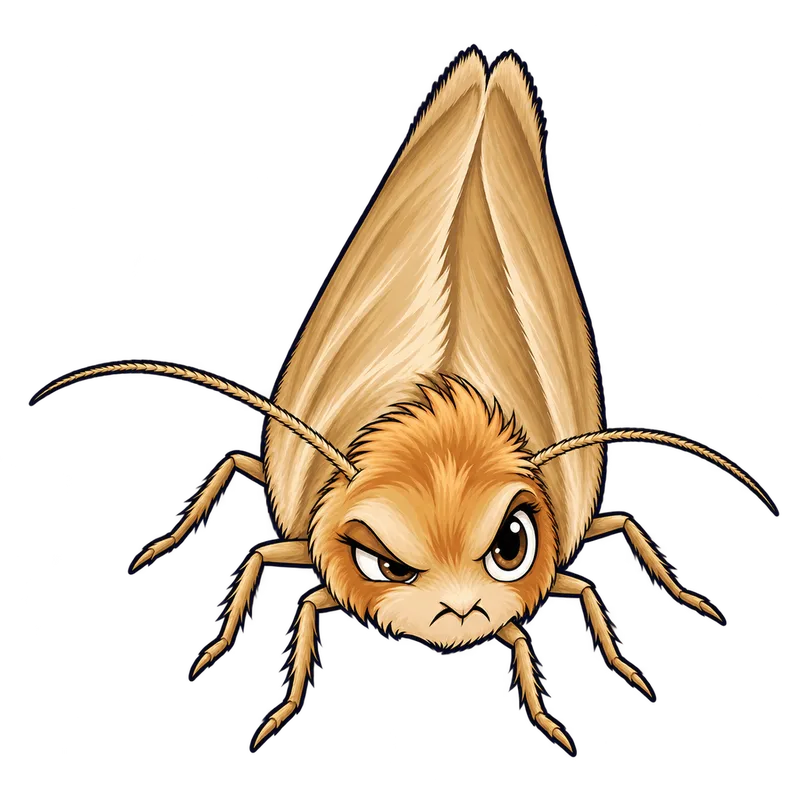
Yes, clothes moths are almost certainly damaging wool in a UK wardrobe, though you might actually be dealing with carpet beetles instead. The damage is caused by the larval caterpillar stage, which secretes powerful digestive enzymes to break down keratin in animal fibers.
What is actually going on
You pull that heavy merino wool jumper off the top shelf as the first autumn chill hits, holding it up to the light only to find a scatter of small, ragged holes along the cuffs and collar. It feels personal, but it is just hungry insects making a living in the dark. Yes, clothes moths are almost certainly damaging wool in a UK wardrobe, though you might actually be dealing with carpet beetles instead. The culprits are never the fluttering adult moths you spot lazily zig-zagging across the bedroom ceiling. Adult clothes moths lack functional mouthparts entirely and cannot eat your clothes.
The real damage belongs strictly to the larval caterpillar stage, which secretes powerful digestive enzymes designed to break down keratin. That is the tough structural protein found in animal fibers like wool, cashmere, mohair, fur, and feathers. Modern British homes with central heating and double glazing accidentally roll out the red carpet for these pests. Because indoor temperatures stay cozy year-round, webbing clothes moths can skip the old single summer cycle and reproduce continuously through all four seasons.
There is another reason your favorite winter layers get targeted, and it comes down to a matter of taste. Clean wool is certainly on the menu, but larvae actively seek out garments that carry invisible traces of perspiration, body oils, skin flakes, or an accidental splash of a hot drink. Those everyday residues supply vital nutritional salts and vitamins that pure keratin lacks. A sweater tucked away dirty at the end of winter acts like a seasoned meal, drawing larvae straight to the creases, under the collars, and inside the dark pockets where air never moves.
How to tell for sure
Before you start throwing garments into plastic bags, you need to know who is actually renting space in your wardrobe. The webbing clothes moth usually leaves behind fine, silken webbing tubes or flat sheets stretched across the fabric surface, accompanied by heavy deposits of hard, colored fecal pellets that match the wool. People often mistake these tiny granules for moth eggs, but those eggs are microscopic, translucent, and easily crushed.
If you notice irregular holes and what looks like dozens of miniature grains of rice stuck to your knitwear, you are likely looking at the case-bearing clothes moth. The larva of this species builds a portable, open-ended silk case and drags it around like a tiny sleeping bag while it grazes, poking its head out to eat before retreating inside.
Then again, the damage might not come from a moth at all. Varied carpet beetles produce larvae known across the UK as woolly bears. These short, fat, bristly little creatures leave behind clean-cut holes, salt-sized droppings, and fuzzy, shed cast skins that look like tiny insect husks. Unlike clothes moths, carpet beetles do not spin any silk webbing whatsoever. If you find hairy shed skins tucked into the folds of a cashmere scarf, you can usually rule out moths and point the finger at beetles instead.
What usually comes next
Tackling the problem means pulling everything out of the wardrobe for a proper check. Empty the shelves completely, run a vacuum nozzle along the floor corners and skirting boards, and immediately seal and discard the rubbish bag. For the woolens themselves, you have two reliable paths. Any washable wool items should go straight into the washing machine on a warm cycle, while delicate tailored pieces and dry-clean-only cashmere need a trip to the local dry cleaner to kill off any hidden eggs.
When dry cleaning or hot washing is out of the question, the home freezer offers a dependable non-toxic fix. Place vulnerable wool garments into clear polyethylene bags, squeeze out the excess air, and tape the openings shut. Pop them into a domestic freezer set to minus eighteen degrees Celsius or colder for at least fourteen days.
Do not rush the unsealing process once the time is up. Leave the bagged items sitting at room temperature for twenty-four hours before you open them up. That slow thaw ensures any condensation forms safely on the outside of the plastic rather than dampening your dry wool fibers and inviting mold.
You will also see pheromone traps on sale for monitoring clothes moths. Hang one inside the wardrobe if you like, but keep in mind that it only catches adult males to show you whether an infestation is growing. It will not touch the larvae chewing through your garments or stop the damage on its own. For long-term peace of mind, clean your clothes thoroughly before storing them away, and tuck them inside airtight plastic storage boxes for the warm summer months.
When to get help
Most wardrobe pest issues respond well to a thorough clear-out and proper laundering. Still, certain situations call for an outside eye or professional intervention. If you experience persistent skin rashes or respiratory irritation while handling infested textiles, consult a medical clinician, as the barbed hairs shed by carpet beetle larvae can trigger contact dermatitis in sensitive people.
You should also look beyond the wardrobe if the problem keeps returning despite your best efforts. Case-bearing clothes moths and varied carpet beetles often breed in old bird nests, wasp nests, or rodent runs tucked away in unsealed roof spaces or disused chimneys. In the UK, wildlife protection laws mean you cannot disturb active bird nests during the breeding season, but once the birds have moved on, clearing out those structural reservoirs stops the constant supply of insects dropping down into your bedroom.
Call in a licensed pest control professional registered with the British Pest Control Association or the National Pest Technicians Association when the infestation extends far beyond a single piece of furniture into wall cavities and floorboards. Historic textiles, valuable antique heirlooms, or severe widespread infestations also demand specialized professional care, such as industrial heat treatments in humidity-controlled chambers, rather than DIY attempts that might ruin irreplaceable fabrics.