
Grub damage vs sod webworm damage: what should you inspect first?
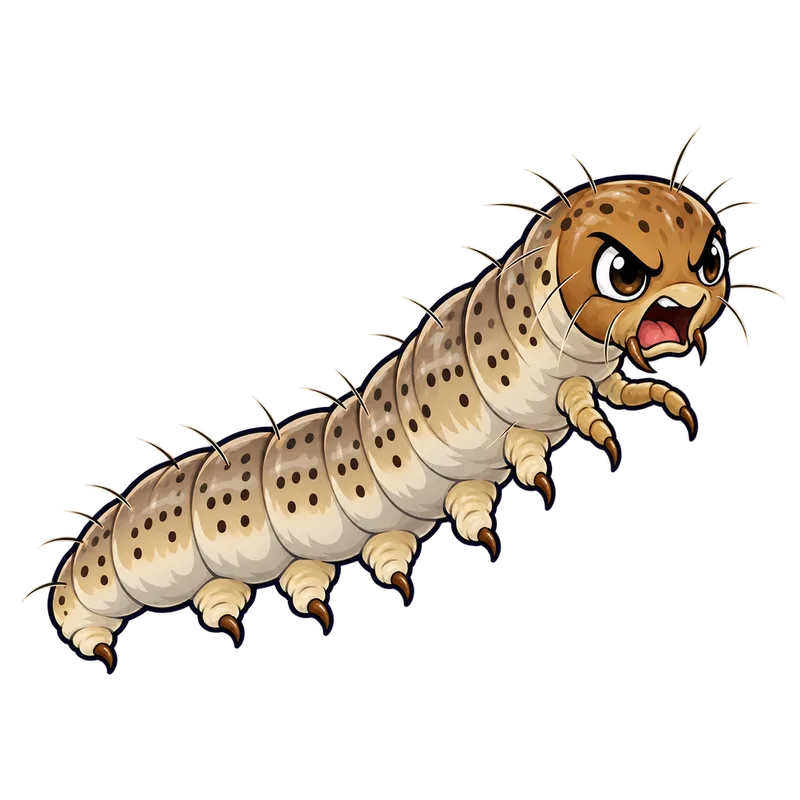
When diagnosing lawn damage, you should inspect the above ground foliage and thatch layer first for sod webworms before checking the soil for white grubs. If you notice vertebrate animals tearing up chunks of your lawn, you can skip straight to the soil check because they are hunting for a grub infestation.
What is actually going on
Imagine walking out to grab the morning paper and noticing a jagged brown patch in the middle of an otherwise green lawn. You step on it, and it feels suspiciously spongy, like stepping on an old mattress. Naturally, the first instinct is to wonder if the grass is dying of thirst or if something is eating it from the inside out. When you are trying to figure out whether you are dealing with sod webworms or white grubs, you should inspect the above-ground foliage and thatch layer first.
Most people make the mistake of immediately grabbing a shovel and tearing up the sod to look for grubs. That is usually a waste of effort if the real culprits are hanging out higher up. Sod webworms are the caterpillars of small, snout-nosed lawn moths, and they feed exclusively on the blades and stems right above the soil line. They leave behind notched leaf blades, tiny green fecal pellets, and fine silken tunnels in the thatch layer where they hide during the day.
If you examine the grass blades and find no sign of chewing, ragged edges, or silk, you can safely skip the surface check. That is your cue to move downward, perform a manual tug test, and check the soil for root-chewing white grubs. These scarab beetle larvae live a couple of inches underground, quietly shearing off every root your grass needs to anchor itself. Because they sever the vascular system completely, the turf loses its grip on the earth.
How to tell for sure
To know for certain what is happening, you have to run a couple of simple diagnostic tests instead of guessing. For sod webworms, mix about three to four tablespoons of liquid dish soap into two gallons of water and pour it evenly over a square yard of turf near the edge of the brown patch. If webworms are present, the irritant usually forces them to crawl up to the grass tips within ten minutes. Generally, if you count fifteen or more caterpillars per square yard, intervention is usually warranted.
If the soap flush comes up empty, test the physical grip of the turf by grabbing a handful of grass stems and pulling up. If the grass stays firmly anchored and the stems break, the roots are usually intact, and you are probably looking at drought stress, a foliar disease, or chinch bugs instead.
If the turf lifts and rolls back effortlessly like an unanchored carpet, you have found your white grub problem. Use a flat spade to cut a one-foot square of sod two to three inches deep, flip it back like a hinge, and count the plump, C-shaped white grubs in the soil. A count of five to ten grubs per square foot in a typical lawn, or twenty or more in a heavily irrigated and fertilized lawn, usually crosses the threshold where damage accelerates. When spring rolls around, keep in mind that those grubs are mature third instars that feed very little, so spring treatments usually waste product and money compared to targeting the younger generation later in the year.
What usually comes next
Once you have identified the pest, your next practical decision is how to treat it without wasting money or harming the lawn. Treating sod webworms requires keeping the product on the leaves, so you apply a suitable biological or chemical control in the late afternoon and deliberately avoid watering it in or mowing for a day or two. Washing those foliar sprays into the soil right away ruins their effectiveness against leaf-chewing caterpillars.
White grubs require the exact opposite approach because they live underground. Whether you use a preventive systemic treatment in early summer around egg hatch or a curative application in late summer for young larvae, you must water the product in immediately with about half an inch of water. That moisture carries the active ingredient down through the thatch and straight into the root zone where the grubs are feeding. Applying a grub treatment and leaving it to dry on top of the grass blades achieves nothing.
When to get help
There are times when a weekend DIY approach is simply not enough to save the turf. If more than thirty percent of your lawn canopy is dying, or if you find multiple overlapping pests tearing up the roots at the same time, call in a professional turf care service. Commercial properties, golf greens, and heavily managed athletic turf also usually require licensed applicators and restricted-use products that fall outside normal retail options.
Keep in mind that vertebrate animals like skunks, raccoons, or crows tearing up chunks of your lawn are almost always hunting for a massive underground grub infestation, which means you can skip straight to the soil check. If you or a pet happen to experience an accidental pesticide exposure, or if someone swallows a chemical product, contact your local poison control center or a medical clinician immediately.