
Can oak processionary moth caterpillars cause a rash?
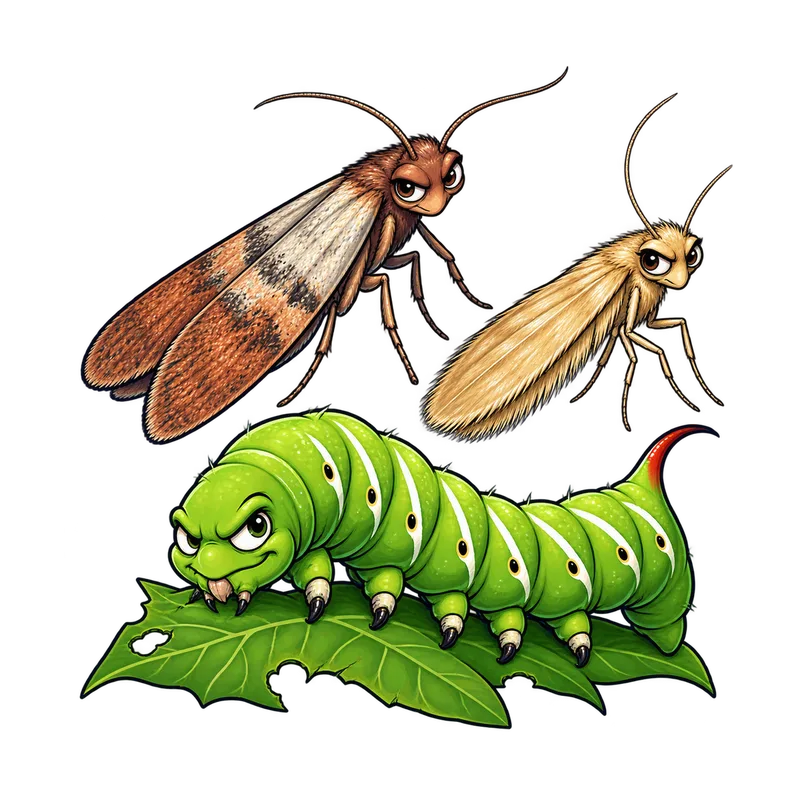
Yes, the caterpillars of the oak processionary moth can cause a severe rash and skin inflammation. This happens because these larvae are covered in hundreds of thousands of microscopic, hollow hairs containing an irritating protein. You do not even need to touch the caterpillars, as the tiny hairs easily break off and float through the air.
What is actually going on
You are out in the yard on a pleasant spring afternoon, picking up fallen twigs or tidying the mulch around your favorite oak tree, when you notice something odd on the bark. It looks almost like a smudge of dirty cotton candy stuck right against the wood. Nearby, a steady line of fuzzy caterpillars is marching along in a strict, nose-to-tail procession, looking like a tiny, marching train. You might be tempted to reach out and flick them away or scrape the strange silken clump off the trunk with your bare hands, but stopping yourself right there is your best move.
Yes, the caterpillars of the oak processionary moth can indeed cause a severe rash and quite unpleasant allergic reactions in both humans and animals. This happens because these larvae are covered in hundreds of thousands of microscopic, hollow hairs known as setae. These specialized hairs contain an irritating protein that triggers skin inflammation, itching, and general cutaneous irritation upon physical contact.
What catches many people off guard is that you do not even have to pick up a caterpillar to suffer the consequences. Those tiny hairs break off with the slightest breeze or disturbance and float through the air, settling on skin, clothing, or even inside your eyes and airways if you happen to be downwind. The white silken nests they build directly on oak trunks also collect cast skins and discarded hair over time, turning a weathered brown and remaining a hazard long after the active caterpillars have moved on or matured.
Why do the hairs persist for so long after the creatures are gone? The simple reason is that the protein coating inside those discarded setae remains chemically stable and active even when the skin or nest is dry and weathered. A nest built last summer can still shed irritating particles during autumn pruning or winter yard work, which surprises many homeowners who assume an empty nest is a safe nest.
Spotting these creatures usually requires knowing what specific host tree they prefer. These caterpillars live and feed almost exclusively on oak trees, whether you are looking at a young sapling or a massive, centuries-old specimen in a park. If you spot a hairy caterpillar or a silken web on a pine tree, a fruit tree, or a garden shrub, it is usually a completely different insect, such as a tent caterpillar or a pine processionary species.
Physical signs on the tree follow a predictable calendar. During winter and early spring, you will usually find the larvae moving in those signature single-file processions across trunks, branches, or the grass right beneath the canopy. As spring turns into early summer, look for those distinctive, flat silken nests pressed tight against the bark of the trunk or larger limbs rather than tucked away out in the leafy crown. If you are inspecting outer twigs during the dormant season, you might spot their overwintering egg plaques, which resemble tiny, flat, rectangular patches glued to the wood.
Distinguishing them from lookalikes at home can be tricky, because a single hairy caterpillar found away from an oak tree cannot be reliably named by a casual glance. Confident identification usually requires an entomologist or an official plant health inspector to examine physical specimens under magnification, especially since biosecurity agencies treat these moths as regulated quarantine pests in certain regions.
How to tell for sure
When you suspect you have oak processionary caterpillars on your property, your one practical decision boils down to leaving them strictly alone and keeping children and pets away from the base of the tree. Many homeowners make the mistake of assuming a thick pair of leather gardening gloves or heavy workwear will protect them, but those hollow stinging hairs easily weave right through woven fabrics and continue to irritate the skin long after you have taken the gloves off.
You should also resist the urge to wash the nests down with a garden hose or blast them with a pressure washer, and never try to burn them off the bark. Trying those common fixes usually backfires by shattering the brittle silk and launching thousands of microscopic hairs straight into the surrounding air, turning a localized problem into an airborne hazard for everyone nearby. If the infestation is on your property in a region where these moths are heavily regulated, local plant health authorities generally require official reporting rather than DIY eradication.
When treatment or nest removal is necessary, it belongs entirely in the hands of trained professionals. Licensed operators arrive equipped with full personal protective gear, including specialized respirators and protective suits, to manage the physical hazards without spreading the irritating hairs across your yard.
What usually comes next
If you or someone in your household develops a spreading rash, intense itching, painful skin irritation, or any sign of respiratory discomfort after spending time near oak trees, you need to step away from home remedies and consult a medical professional right away. Skin lesions and rashes cannot be reliably diagnosed from a photograph or a verbal description alone, so a clinician, urgent care facility, or poison control center must evaluate the symptoms directly.
When to get help
On the property side, large oak trees harboring these nests require professional arborist intervention rather than amateur attempts at control. Because these moths are regulated quarantine pests in Great Britain and protected zones in Northern Ireland, landowners and operators are legally obligated to report suspected sightings immediately to the appropriate statutory bodies, such as the Plant Health and Seeds Inspectorate in England and Wales, Science and Advice for Scottish Agriculture in Scotland, or the Department of Agriculture, Environment and Rural Affairs in Northern Ireland. Professional help ensures the situation is handled safely and legally.