
How do you get rid of clothes moths?
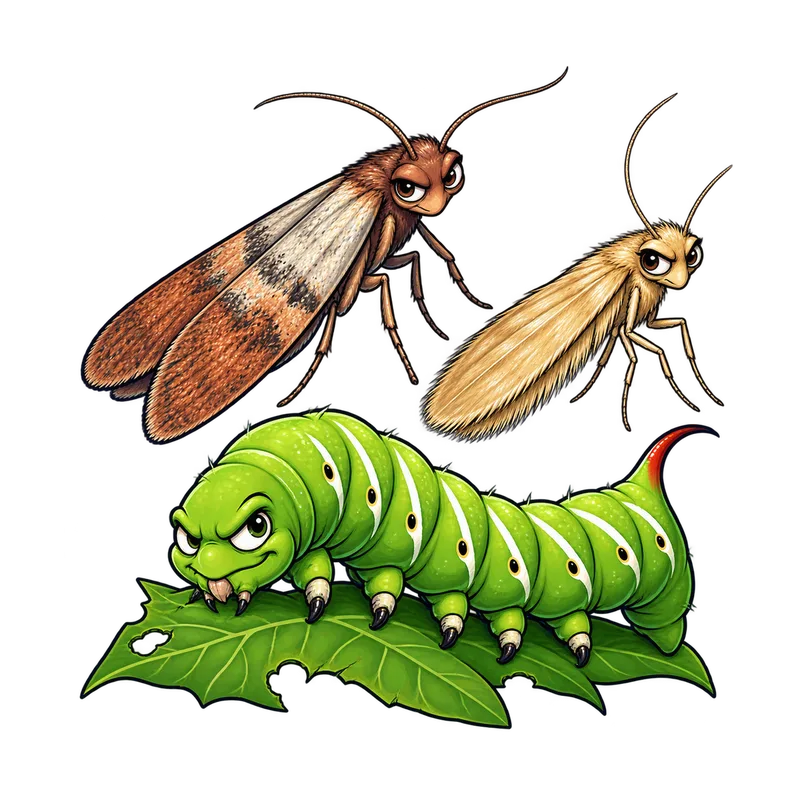
Getting rid of clothes moths requires a physical cleaning campaign that targets the destructive larvae rather than just the flying adults. You must wash vulnerable natural animal fibers in hot water, have delicate items dry cleaned, or seal unwashed textiles in a freezer for forty-eight to seventy-two hours.
What is actually going on
You reach into the back of the closet for that favorite winter sweater, the thick wool one you only pull out when the first real frost hits, and your fingers catch on something strange. There are three or four ragged holes right near the hem, and the yarn looks like it has been chewed by a tiny, very hungry lawnmower. If you have not seen a single bug flying around your bedroom, you might wonder how a garment sitting quietly in the dark managed to destroy itself.
Getting rid of clothes moths is not about waving an aerosol can at a few fluttering bugs in the hallway. Eradicating them requires a deliberate cleanup that starts by hunting down the feeding larvae hiding in your textiles, vacuuming out the dark corners where lint collects, and washing or freezing every vulnerable animal fiber in the house.
The most important thing to understand right away is that the adult moths you occasionally spot scuttling across the baseboards are entirely innocent. Adult clothes moths have no functional mouthparts, meaning they cannot eat fabric, bite you, or cause any structural damage at all. Their only job in their brief adult life is to mate and lay eggs.
The real culprits are the tiny, worm-like larvae that hatch from those microscopic eggs. These caterpillars possess specialized digestive enzymes that break down keratin, a tough structural protein found exclusively in natural animal materials like wool, cashmere, silk, feathers, and fur. If you want to stop the damage, your entire strategy has to focus on eliminating those hidden larvae before they turn your wardrobe into lace.
How to tell for sure
Before you start washing winter coats or rearranging your dresser, you usually need to confirm what kind of pest you are dealing with. Homeowners frequently confuse clothes moths with Indian meal moths, but Indian meal moths fly toward room lighting and feed exclusively on dry pantry goods like flour, grains, and nuts. Clothes moths, by contrast, actively avoid light, move in a weak scuttle along dark surfaces, and care only about your clothes.
When you look closely at your damaged garments, you will typically notice one of two common species at work. The webbing clothes moth creates a fixed, flat silken feeding tube right on the surface of the fabric, covered in tiny, hard pellets of waste that match the color of the wool. The casemaking clothes moth builds a portable, slender silken case, looking remarkably like a stray grain of wild rice moving across the sweater as the caterpillar drags its mobile home along behind it.
You might also find yourself wondering if carpet beetles are to blame instead of moths. Carpet beetle larvae graze on the same animal fibers, but they leave behind distinct hairy cast skins, salt-sized fecal pellets, and large, clean-cut holes without any silken webbing or cases.
If you are trying to verify what you are looking at, a basic hand lens can help you spot the reddish-orange tuft of hair on a webbing moth head or the three faint dark spots on a casemaking moth wing. Confident identification is usually straightforward with a little magnification, but remember that you can never identify a pest from a skin reaction or a vague description of a mark on your skin, since clothes moths do not bite humans.
What usually comes next
Once you know you have a clothes moth problem, you face one major tactical decision: do you try to salvage your wardrobe through a rigorous physical sanitation sweep, or do you rely on shortcuts that usually fail? Many people make the mistake of scattering mothballs openly on a closet shelf or hanging a single sticky trap and hoping for the best.
That approach almost never works because monitoring traps only catch flying adult males, leaving the egg-laying females and the destructive larvae completely untouched to keep chewing through your cashmere. Traditional mothballs containing harsh chemicals require a completely gas-tight, sealed container to build up the heavy vapors needed to kill pests. Tossing them onto the floor of a drafty bedroom closet just fills your living space with an unpleasant smell while letting the larvae dine in peace.
Your best practical choice is to commit to a physical cleaning campaign. Pull everything made of natural animal fibers out of your closets and drawers, and inspect them under good light. Wash all washable woolen and silk items in hot water, or take delicate garments to a professional dry cleaner. The combination of heat and tumbling destroys every single life stage, while washing away the body oils and perspiration that act like seasoning for these pests.
If an item cannot be washed or dry cleaned, seal it tightly in a heavy plastic bag and place it in your kitchen freezer for at least forty-eight to seventy-two hours. When you take it out, let the bag warm up completely to room temperature before opening it so condensation forms on the outside of the plastic rather than dampening your delicate textiles.
When to get help
There are times when a domestic moth problem moves past the point of a weekend DIY project. If you are dealing with a massive infestation that spans an entire multi-story house, or if the pests are destroying priceless antique heirlooms, historic tapestries, or valuable museum-quality taxidermy, you need to call in a licensed pest control professional. These situations require specialized commercial equipment, such as controlled atmosphere chambers or structural treatments, to protect fragile items from the warping that standard household freezing or heating can cause.
Sometimes, despite immaculate closet hygiene and endless washing, clothes moths keep coming back week after week. When that happens, the true source of the problem is usually an abandoned bird nest, a dead rodent, or a wasp nest tucked away inside an attic, an unused chimney flue, or a dark wall void. Removing those external wildlife reservoirs breaks the cycle, but bird nests in particular are often protected by wildlife conservation laws, meaning an expert may need to handle their removal after the active nesting season concludes.
On the human health side, if you or a family member experience severe respiratory irritation, persistent headaches, or nausea after improperly handling chemical mothball fumes, get away from the exposure area immediately. For accidental chemical ingestion, severe respiratory distress, or heavy pesticide exposure, contact your local poison control center or seek urgent clinical medical evaluation without delay.