
Carpet moth vs clothes moth: are they the same pest?
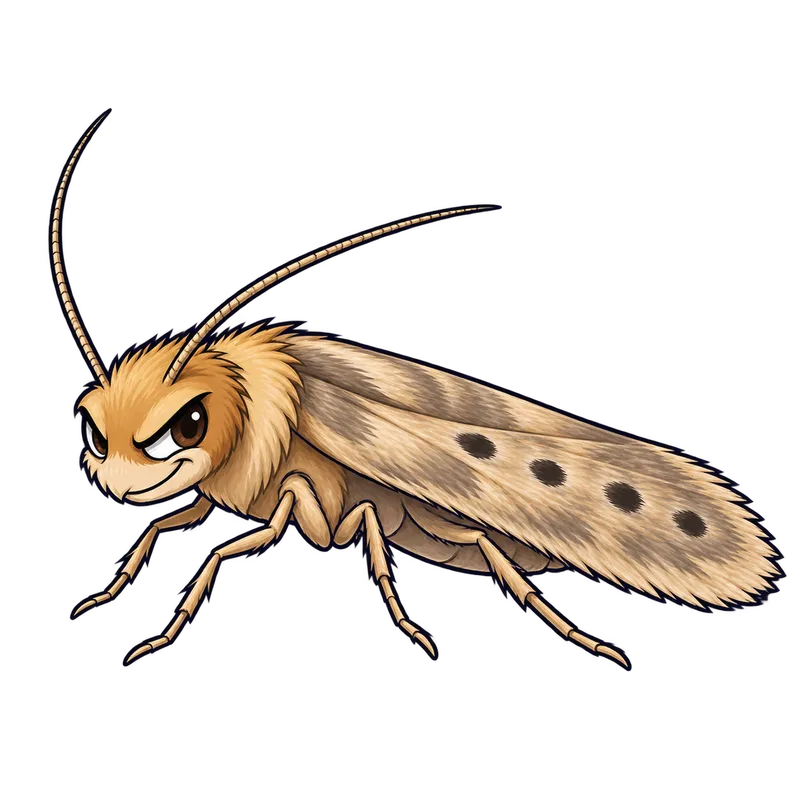
Carpet moths and clothes moths are essentially the same group of pests wearing different local labels, because both names describe light-hating textile pests that feed on natural animal fibers. Whether you call them carpet moths or clothes moths, they seek out keratin found in wool, fur, feathers, and silk.
What is actually going on
You reach into the back of the wardrobe for that wool sweater you only wear twice a year, and instead of a cozy winter layer, you pull out a sleeve with a pattern of ragged holes. Naturally, you wonder what kind of creature managed to turn your favorite garment into lunch. People often ask whether a carpet moth is the exact same thing as a clothes moth, and the short answer is that they are essentially the same group of pests wearing different local labels. In everyday talk, both names describe small, light-hating moths whose caterpillars love to chew through natural animal fibers.
From a scientific standpoint, the main culprits behind ruined woolens are the webbing clothes moth and the casemaking clothes moth. When people talk about carpet moths, especially in places like the United Kingdom and Ireland, they are usually referring to these exact same textile pests deciding to set up housekeeping in a wool rug or underlay. Sometimes the term also gets pointed at the rug moth, but the lifestyle remains identical. They are all after the exact same thing, which is keratin, the tough protein found in wool, fur, feathers, and silk.
Here is the part that surprises most people, though. The adult moths fluttering around in your closet are entirely innocent of the destruction. Adult moths do not have functional chewing mouthparts, meaning they cannot eat fabric even if they wanted to. Their only job is to reproduce and scatter eggs in quiet, dark corners. The damage you find on your sweaters and carpets is caused exclusively by the larval stage, which are the small caterpillars equipped with specialized digestive enzymes capable of breaking down animal proteins.
How to tell for sure
Before you try to fix the problem, you need to know what you are looking at, because not every hole in a rug comes from a moth. If you spot small, buff-colored moths that seem reluctant to fly and prefer to scuttle sideways into the dark folds of a blanket, you are usually dealing with clothes moths. But if you see tiny, colorful, oval beetles crawling around a sunny windowsill in the spring, you might be looking at carpet beetles instead of moths. Carpet beetles are an entirely different family of insects, yet their hairy, grub-like larvae eat the exact same keratin-rich materials.
Checking the damage usually reveals the true culprit. Webbing clothes moths leave behind fine silken feeding tubes, messy patches of webbing, and heavy accumulations of frass, which are tiny hard fecal pellets that match the color of the fabric. Casemaking clothes moths build themselves a portable, open-ended cylindrical case out of silk and bits of the carpet or garment, dragging this tiny home around as they feed. Carpet beetles, on the other hand, leave behind no silk webbing at all. Instead, you will usually find clean-eaten holes accompanied by the bristly, shed skins that their larvae leave behind as they grow.
You usually do not need special equipment to spot these signs, though a simple magnifying glass can help if you are squinting at tiny debris along a baseboard. One common trap is finding small moths flying around kitchen ceiling lights or near the pantry. Those are almost never clothes moths, which despise bright light. Those are usually stored-product pests like Indian meal moths, which are interested in your cereal boxes rather than your woolens.
What usually comes next
Once you confirm you are dealing with fabric pests, you have to decide how to handle the infested items without ruining them further. If the damage is confined to washable woolens or sturdy textiles, the most reliable first step is heat through laundering. Washing susceptible items in hot water or sending them to a dry cleaner kills every life stage of the pest while washing away the invisible organic stains, like sweat or food spills, that attract female moths in the first place.
For items that cannot take a hot wash, such as delicate vintage sweaters or heavy wool rugs, freezing is a practical non-chemical option. Placing the item inside a sealed plastic bag and leaving it in a deep freezer for several days kills the eggs and larvae reliably. Just remember to let the bag return slowly to room temperature before opening it, which stops indoor condensation from dampening and weakening the fibers.
If you decide to use chemical treatments, remember that ready-to-use residual sprays belong strictly on structural surfaces like baseboards, closet floors, and dark cracks behind furniture. Never spray insecticides directly onto clothing, bedding, or anything that touches human skin. If you are using traditional mothballs, they only work if they are placed inside a tightly sealed, airtight container where the toxic vapors can concentrate. Leaving them sitting openly in a closet is a waste of time and fills your home with fumes without stopping the pests.
When to get help
Most household moth problems can be managed with thorough vacuuming, laundering, and careful storage, but certain situations call for an outside hand. If you are dealing with a severe, widespread infestation in a historic home, a large commercial building, or across extensive wall-to-wall wool carpeting, it is usually time to bring in a licensed professional pest control operator who can use specialized heat treatments or targeted equipment.
If anyone in the household develops persistent skin irritation, sneezing, or respiratory discomfort around infested areas, consult a clinician or healthcare provider. Never try to diagnose a rash or skin mark as a pest bite yourself, as clothes moth larvae do not bite or sting humans, and any allergic reaction usually stems from airborne frass or shed hairs rather than a direct attack.
Finally, remember that clothes moths and carpet beetles often use outdoor wildlife reservoirs, such as abandoned bird nests tucked into eaves or chimneys, as a base of operations before moving indoors. If you find a bird nest serving as a pest hotspot, keep in mind that removing active nests during the breeding season is prohibited by federal wildlife laws in many regions. You will need to wait until the nesting season ends, or contact a pest professional or local wildlife agency to handle the removal legally and safely.