
What fabrics are most vulnerable to clothes moth larvae?
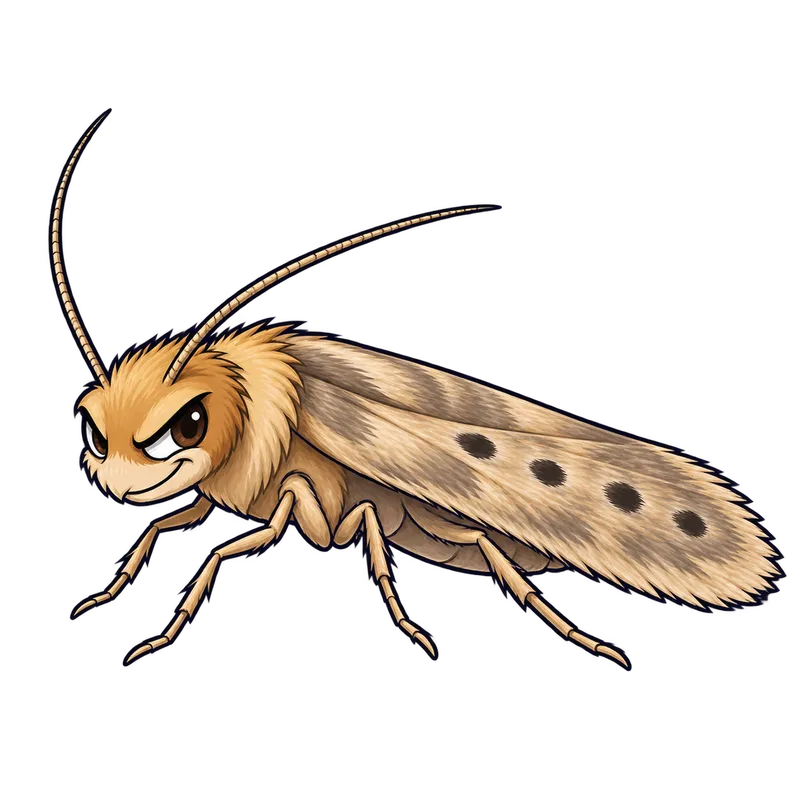
Clothes moth larvae are most vulnerable to natural animal fibers like wool, cashmere, feathers, and hair because these materials contain the tough structural protein keratin. Pure cotton, linen, and synthetics are typically ignored unless they are stained with body oils, perspiration, or spilled drinks that supply vital micronutrients.
What is actually going on
You pull that good cashmere sweater out of the back of the closet for the first chilly evening of the year, and instead of a cozy layer, you find a constellation of small, ragged holes right across the chest. It feels personal, as if something sat there specifically to ruin your favorite winter gear. But the culprit is not some malicious spirit. It is usually the hungry caterpillar stage of the webbing clothes moth or the casemaking clothes moth, and it is looking for a very specific menu item.
To understand what is happening in your wardrobe, you have to remember that adult clothes moths do not have functioning mouths and never eat a thing. Their only job is to find a mate, lay eggs, and move on. The actual fabric destruction is handled entirely by the larvae. These tiny caterpillars need keratin, which is a tough structural protein found in animal hair, wool, feathers, and skin. When they hatch in a dark closet, they head straight for natural animal fibers.
Pure cotton, linen, and synthetic materials like polyester or nylon do not contain keratin, so clean versions of these fabrics usually do not interest clothes moth larvae at all. But this is where people often get tripped up. If you find holes in a cotton t-shirt or a synthetic blend, it is usually because the item was stained with things like body oils, perspiration, or a splash of beer, which supply the vital micronutrients and salts the larvae crave. Alternatively, the pest might be burrowing out of an upholstered chair or a down pillow stuffed with feathers, chewing through the outer cotton cover just to escape its birthplace.
How to tell for sure
Before you start throwing out your entire wardrobe, you need to figure out what you are actually dealing with. Webbing clothes moth larvae usually spin tiny, messy silken tubes or flat patches directly on the fabric surface, and they leave behind small piles of waste that match the color of the sweater they have been eating. Casemaking clothes moth larvae prefer a different approach, building a portable, open-ended silken case that looks remarkably like a tiny grain of rice. They usually drag this case around with them as they feed, leaving clean trails across the material.
You will also want to rule out carpet beetles, which are another common closet pest that causes similar damage. Unlike clothes moths, carpet beetle larvae do not usually spin silk or build little cases. Instead, they leave behind bristly, empty cast skins and hard, salt-grain-sized droppings. If you find smooth, bare patches on a wool rug with zero webbing in sight, you are usually looking at carpet beetles rather than moths.
It helps to remember that clothes moths are creatures of the shadows. They hate light, which is why they usually stay tucked away in dark corners, under heavy furniture, or deep inside forgotten garment bags. If you see a moth fluttering around your kitchen lights or your living room television screen, it is almost certainly a pantry pest that wandered in from a box of grain, not a clothes moth looking for your woolens.
What usually comes next
Once you spot the signs of an infestation, you have to make a practical choice about how to treat the damaged items without ruining them completely. If you want to clear out an active population in washable woolens or blends, a thorough laundering in hot water or a trip to the dry cleaner will usually kill every life stage from egg to adult while washing away the body oils that attract them in the first place.
For items that cannot take the heat or harsh cycle of a standard wash, freezing is a reliable alternative. You can wrap the garment in a clean cotton sheet, tuck it inside a sealed plastic bag, and leave it in a chest freezer set to zero degrees Fahrenheit or lower for at least forty-eight to seventy-two hours. When you take it out, leave the bag sealed for twenty-four hours while it warms up to room temperature. This simple step keeps condensation from forming directly on delicate fibers like silk or fine cashmere.
If you decide to use chemical storage products like mothballs containing paradichlorobenzene or naphthalene, remember that they only work inside tightly sealed containers where the vapors can concentrate. Hang them near the top of the storage bag because the fumes are heavier than air and sink downward. Never let mothballs touch your clothes directly, and keep them away from plastic hangers or buttons. The volatile chemical vapors will react with the plastic and slowly melt it into a sticky, ruined mess.
When to get help
There are times when a simple closet cleanup is not enough to solve the problem. If the infestation has spread extensively beneath wall-to-wall wool carpeting, inside your heating and cooling ducts, or throughout hidden structural building voids, you will want to bring in a licensed professional pest management operator. The same goes for high-value historic textiles, museum pieces, or family heirloom furs that require specialized commercial heat chambers or professional fumigation to save.
You should also keep safety in mind regarding your own health and the living creatures around your home. Clothes moths and carpet beetles do not bite or sting humans, but contact with the barbed, microscopic hairs shed by carpet beetle larvae can trigger allergic skin reactions that look a lot like insect bites. If someone in your house is dealing with persistent skin irritation, consult a clinician or dermatologist rather than assuming you have a biting bug in the bed.
Finally, be careful with chemical applications. Never spray indoor residual insecticides directly onto clothing, bedding, or surfaces that come into close contact with human skin. Insecticide sprays belong strictly on closet floor perimeters, baseboard cracks, and floorboards beneath heavy furniture, and those surfaces must dry completely before you put anything back into the space. If you find old bird or rodent nests in your attic or chimney acting as an outdoor reservoir for these pests, remember that removing them often requires waiting until the active nesting season is over to comply with wildlife protection rules.