
Codling moth vs false codling moth: why does geography matter?
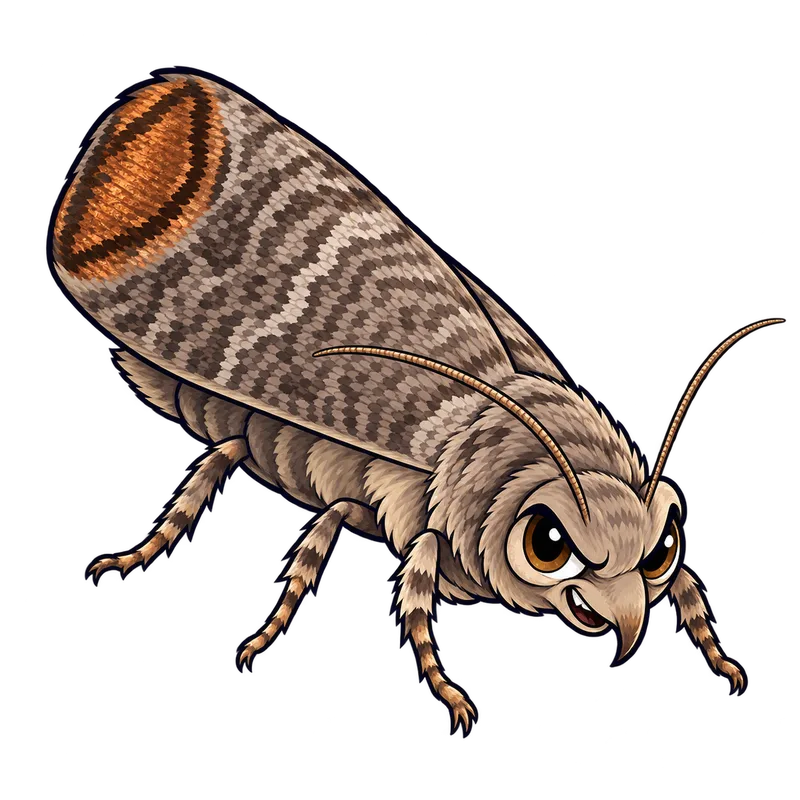
Geography matters because the codling moth is a well-established resident pest in temperate apple-growing regions, while the false codling moth is a tropical and subtropical pest absent from standard regional data for North American pome fruit orchards. This geographic divide determines local climate maps, field distributions, and quarantine rules.
What is actually going on
You are standing in the kitchen, turning a smooth, rosy apple over in your hand. It looks pristine. You polish it against your shirt, take a crisp bite, and immediately freeze at the sight of a brown tunnel winding its way straight toward the core. That heartbreak is the calling card of the codling moth, an old acquaintance of pome fruit growers across North America. But why does geography matter so much when you talk about this pest, and how does it stack up against its similarly named cousin, the false codling moth?
To understand why location dictates everything, you have to look at how these insects move and where they live. The codling moth is a well-established resident pest in temperate apple-growing regions. Its management depends heavily on local orchard topography, regional weather tracking, and whether your trees sit in the middle of a flat agricultural valley or right up against an unmanaged woodlot. If you try to control them using pheromone mating disruption, which is the practice of flooding the air with synthetic sex scents so male moths can never find a mate, geography dictates whether it works. That strategy acts like trying to whisper across a loud room, and it only functions if you have a flat or gently sloping block of land where the air currents hold that heavy scent steady.
If your orchard is tiny, hilly, or awkwardly shaped, the wind sweeps that scent away, and the mating disruption fails. Worse yet, if your orchard borders wild woods or abandoned trees, mated female moths simply fly in from the hedgerows like uninvited guests walking down a quiet hallway. As for the false codling moth, which is a tropical and subtropical pest known to target citrus and other crops in different parts of the world, it is entirely absent from standard regional data for North American pome fruit orchards. That means any direct comparison of their field distribution or local quarantine rules in your backyard comes down to a fundamental geographic divide, because one is a permanent fixture of your local temperate climate while the other belongs to a completely different regulatory and climatic map.
How to tell for sure
Figuring out what is happening usually begins by looking at the ruined fruit rather than spotting the moth in midair. You will generally see tiny, dimpled entry holes on the skin of the growing apple, often with small piles of reddish brown frass pushed out near the stem. Slice that apple open, and you will typically find a pale caterpillar with a dark head chewing its way right toward the core.
If your goal is trapping the adults before they start laying, you hang sticky pheromone traps high up in the top third of the tree canopy. Catching those first few flying males marks the official biofix date. From there, you follow local degree day models using temperature data from nearby weather stations to figure out the exact window when the eggs will hatch.
It also pays to know the other fruit pests that might be sharing your trees. You could run into the oriental fruit moth or the lesser appleworm, and they make very similar tunnels inside the flesh. Sorting them out usually takes a magnifying glass to check tiny comb structures on the larvae or a quick call to your local extension office, though the immediate control steps for these fruit worms tend to overlap.
What usually comes next
Once you have a clear picture of the pest pressure in your trees, you have to match your control strategy to your land and your moth counts. If your orchard is small, irregular, or jammed right up against a messy woodlot, mating disruption will not do the job on its own. You will usually need to add targeted orchard border sprays, microbial products, or physical exclusion methods.
When you use biological controls like specific insect viruses, timing is everything. The tiny caterpillar has to eat those microscopic viral particles off the skin of the apple before it tunnels inside, which means you often need several rounds of spraying timed closely to the regional hatch. Other choices like spinosad or plant extracts also demand careful rotation so the local bug population does not build up a resistance to them over time.
Good orchard hygiene is still your best friend here. Hand thinning your fruit clusters so individual apples never touch gives caterpillars fewer hiding spots, and picking up dropped fruit from the ground keeps the next generation from surviving the winter. Cutting down wild host trees like hawthorn or forgotten apple trees within three hundred and fifty feet of your property line also stops moths from moving in from the edges.
When to get help
There are times when handling orchard pests goes beyond standard backyard gardening and calls for official support. If you manage a commercial farm and need to put down restricted use chemicals, you have to hold a valid private or commercial pesticide applicator license from your state department of agriculture.
You should also contact your local extension agent whenever you need help checking degree day calculations or confirming trap counts for your area. If you run a certified organic operation, always clear your spray choices with your certifier first to make sure you stay in compliance.
Lastly, if you ever find an unusual or suspected quarantine pest larva in imported produce or fresh nursery stock, plant health laws require you to report the find right away to federal or state agricultural authorities.