
What does a fall armyworm egg mass look like?
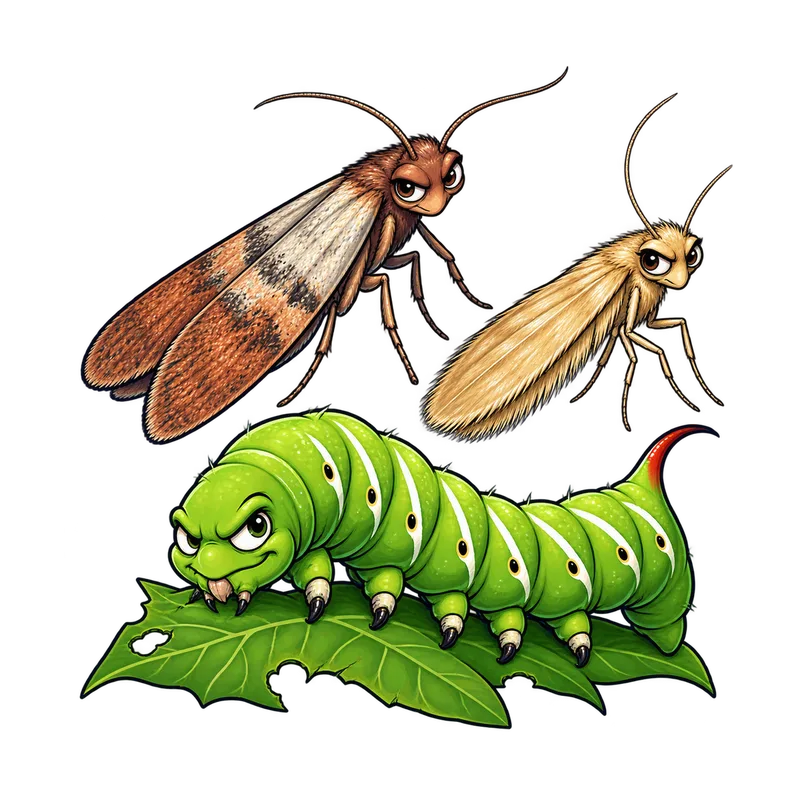
A fall armyworm egg mass looks like a compact, pale patch of tiny, rounded particles glued straight to a surface, resembling coarse meal or felt. Each cluster contains between thirty and one hundred tiny yellow eggs packed tightly together.
What is actually going on
You step out onto the back patio on a humid summer evening with a cup of coffee, wondering why the edge of the lawn looks a little dull, and you notice a pale, clustered patch glued to the side of your white vinyl siding just above the grass line. It looks almost like a smudge of coarse meal or a tiny patch of felt, and you have to wonder if a moth left it there. If you are dealing with fall armyworms, that is exactly what happened. Female moths fly around after dark and lay their eggs in tight clusters rather than scattering them haphazardly.
Instead of dropping eggs directly into the soil like certain other lawn pests do, these moths look for above-ground surfaces. They frequently glue their egg batches to grass blades, but they are just as likely to choose artificial or vertical surfaces near your turf. You might find a cluster on the underside of a patio chair arm, a wooden fence rail, a utility post, or the light-colored walls of your house. Each cluster typically contains somewhere between thirty and one hundred tiny yellow eggs packed tightly together.
The real trouble begins once those eggs hatch. The tiny caterpillars do not wait around. They immediately start chewing on the surrounding grass blades, creating a distinct translucent look known as a windowpane effect because they scrape away the green layer of the leaf while leaving a thin, clear membrane behind. If you only spot a few speckled blades here and there, it is easy to brush it off as minor weather stress. But those caterpillars grow fast, and their appetite scales up exponentially over a two-week period.
How to tell for sure
Spotting the actual egg mass takes a bit of deliberate looking, especially since these moths do not leave a neon sign pointing to their nursery. You usually want to scan the tips and undersides of tall grass blades near the edges of your lawn, alongside nearby vertical structures like fence posts or white siding. Armyworm eggs are usually laid in concentrated batches, which separates them from insects that scatter single eggs at random while flying.
People often confuse armyworm clusters with other common outdoor oddities. For instance, spongy moth egg masses look much larger, measure up to sixty millimeters, and are covered in a distinct tan fuzz. Spotted lanternfly eggs are laid in neat, straight rows and covered with a shiny grey secretion that ends up cracking as it ages. If you find a fluffy white mass that looks like fungal growth or mealybug secretions, that is usually something else entirely, as true armyworm clusters look more like a compact batch of tiny, rounded particles glued straight to the surface.
If you suspect eggs have already hatched and the caterpillars have dropped into the turf, you do not have to guess. You can run a simple soap flush test to coax them into view. Mix three to four tablespoons of liquid dishwashing soap into two gallons of water, and pour that mixture evenly over a single square yard of your lawn. Wait about ten minutes and watch closely. Any hidden caterpillars will irritate easily and wiggle their way up to the surface where you can count them.
What usually comes next
Once you finish your soap test and count the crawlers, you have to decide whether to treat the lawn or simply let it ride. Usually, local agricultural extension offices suggest that treatment makes sense if you find more than nine caterpillars per square yard in your turf. Anything lower than that usually means natural predators like spiders, ants, and beneficial wasps will keep the population under control without you lifting a finger.
When the count passes that mark and you choose to spray, timing is everything. You want to apply a foliar stomach-poison insecticide, like spinosad or a registered pyrethroid, right around early evening. That is precisely when the nocturnal caterpillars climb back onto the grass blades to start feeding.
Here is where many well-meaning homeowners throw money away. Do not irrigate your lawn right after applying the spray unless the product label explicitly tells you to do so. These treatments need to stay right on the surface of the grass leaves so the caterpillars ingest them while eating. If you run your sprinklers immediately, you just wash the chemical down into the soil, rendering it completely useless against leaf-chewing pests. Always check the specific product label for safety rules and site restrictions before mixing up a batch.
When to get help
Occasionally, a casual backyard check turns into a massive, overwhelming situation. Fall armyworms are notoriously fast eaters, and a heavy outbreak can strip a healthy green lawn down to bare dirt in twenty-four to forty-eight hours once the larvae hit their final growth stages. If you step outside one morning and find large patches of turf turning brown and vanishing overnight, basic home remedies might not act fast enough to save the yard.
You should also reach out to a professional turf manager, a licensed pest control operator, or your local county extension office if you manage large commercial properties, athletic fields, or community green spaces where chemical applications require specific licensing and heavy equipment. Handling concentrated commercial insecticides demands strict adherence to local rules, pollinator protection guidelines, and exact application rates. When millions of migratory moths descend on a region and overwhelm standard do-it-yourself measures, bringing in an expert is the smartest way to protect your landscape without breaking local laws or wasting time on products that cannot keep up with the damage.