
Apple maggot vs codling moth: what kind of fruit damage differs?
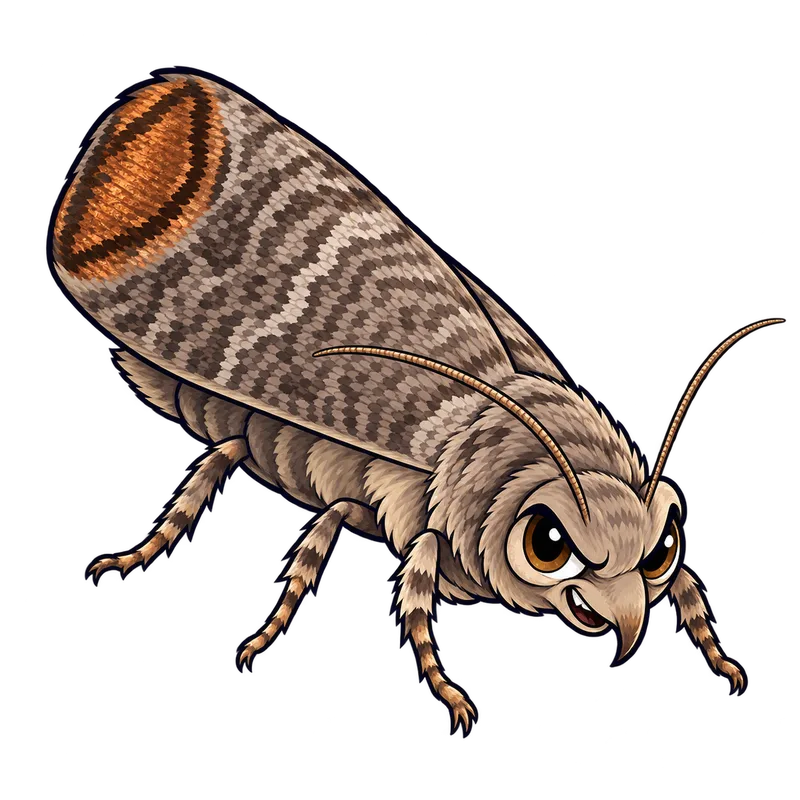
Codling moth caterpillars bore a straight shaft directly to the core and seeds, pushing a messy pile of brown sawdust waste out the entrance hole. Apple maggot larvae carve random, spongy brown decay trails all through the flesh without ever pushing debris to the outside, leaving the skin with shallow dimples.
What is actually going on
Picture standing in your kitchen with a freshly picked apple from the backyard tree, slicing it open to find a tunnel right down the middle, packed with dark, crumbly dirt. Or maybe you find the pulp riddled with random, mushy brown pathways while the outside skin shows little dimples. It is frustrating to realize your harvest has visitors, and knowing who you are dealing with changes everything about how you fix the problem next season.
Codling moths and apple maggots are the two heavy hitters regarding ruining homegrown apples across the country, but they operate with entirely different playbooks. Think of the codling moth caterpillar as a dedicated miner. It bores a single, straight shaft right to the center of the fruit to raid the seed vault for food, pushing its waste backward out the front door. The apple maggot is more like an aimless wanderer carving a random maze through the walls of a house, turning the interior pulp into a spongy, decayed mess without ever pushing dirt to the outside.
One is a caterpillar with legs and a proper head, while the other is a legless, headless fly maggot. Because their bodies and habits are completely different, the external clues they leave on the apple skin give away their identity before you even pick up a knife. If you notice a messy pile of sawdust-like droppings sitting right on the surface of the skin, you are looking at the work of a moth. If the skin just looks slightly sunken or dimped with zero outside debris, you have a fly on your hands.
How to tell for sure
To get past the guesswork, you have to look closely at both the damage and the creature inside the fruit. Codling moth caterpillars are usually about one-half to three-quarters of an inch long when fully grown, sporting a distinct brown or black head capsule and six small, claw-like legs on the front half of their bodies. When they tunnel, they head straight for the core and seeds. You will usually spot a wet, pulpy pile of brown excrement stuck right at the entrance hole on the side or the bottom of the apple.
Apple maggot larvae are entirely different. They are cream-white, legless, headless maggots measuring about one-quarter to three-eighths of an inch long, featuring dark internal mouth hooks instead of a hard head. They do not care about the seeds, preferring to carve meandering, brown decay trails all through the flesh. Their eggs leave tiny punctures that turn into shallow dimples or pits as the apple grows, and they never push frass to the outside of the fruit.
There are exceptions to keep in mind. Sometimes a codling moth caterpillar tries to bore into an apple, gets a dose of a deterrent spray, and gives up early. That leaves a shallow, corky scar on the skin called a sting, which can easily be mistaken for an apple maggot dimple. It is also entirely possible to find an apple that has been hit by both pests, where a codling moth has ruined the core while apple maggots have chewed up the surrounding pulp.
What usually comes next
Deciding how to handle these pests generally starts with cleaning up your dropped fruit every few days. Leaving rotting apples right where they fall on the ground is basically an open invitation for the larvae to crawl out, dig into the soil, and wait to emerge as adults next season. Picking them up without delay helps break that cycle, no matter which insect you are fighting.
As for treating the trees, your approach has to match the exact pest because the products do not cross over. For example, using the biological product Bacillus thuringiensis, which kills caterpillars by targeting their digestive systems, will completely fail against apple maggots since those are fly larvae. If you want an organic route for apple maggots, you might spray spinosad or hang bright red sticky spheres baited with fruit scents to trap the adult flies before they lay eggs. Codling moths are usually tracked with pheromone traps to time your sprays correctly, or stopped physically by sliding small protective bags over individual fruits once they reach the size of a coin.
If you choose to coat the tree in kaolin clay to build a powdery white barrier that confuses the insects, keep in mind that it does not actually kill them. It just makes the fruit look unappealing and wrecks their footing. Be aware that thick clay layers can wipe out helpful predatory mites, which sometimes causes a sudden surge of red mites later in the summer. Always check the label on any spray you buy, and remember that products like spinosad need about three hours to dry completely so they stay safe for visiting honeybees.
When to get help
There are times when a simple backyard chore turns into a legal matter that calls for outside assistance. If you live in an area with strict agricultural quarantine rules, such as certain western mountain zones, hauling homegrown apples out of your county or across state lines can land you in trouble. These laws are meant to stop apple maggots from spreading into commercial orchards, and breaking them can bring steep fines. Keep an eye out for official biosecurity signs along major highways if you are traveling with your harvest.
You might also need an expert opinion if you suspect a different or unusual pest has set up shop in your yard. The adult apple maggot fly looks remarkably like the harmless snowberry maggot fly when you just glance at it. If you live somewhere without a history of apple maggots and you find a suspect, university extension offices or state agriculture departments usually want you to drop a sample into a jar of isopropyl alcohol and bring it in for proper identification under a microscope.
Finally, if you ever run into an accidental pesticide exposure or someone swallows a chemical, do not try to guess the remedy on your own. Reach out to a doctor, head to an urgent care clinic, or call poison control right away while holding the product label so they know what is in it.