
Squash vine borer vs squash bug: which signs point to each?
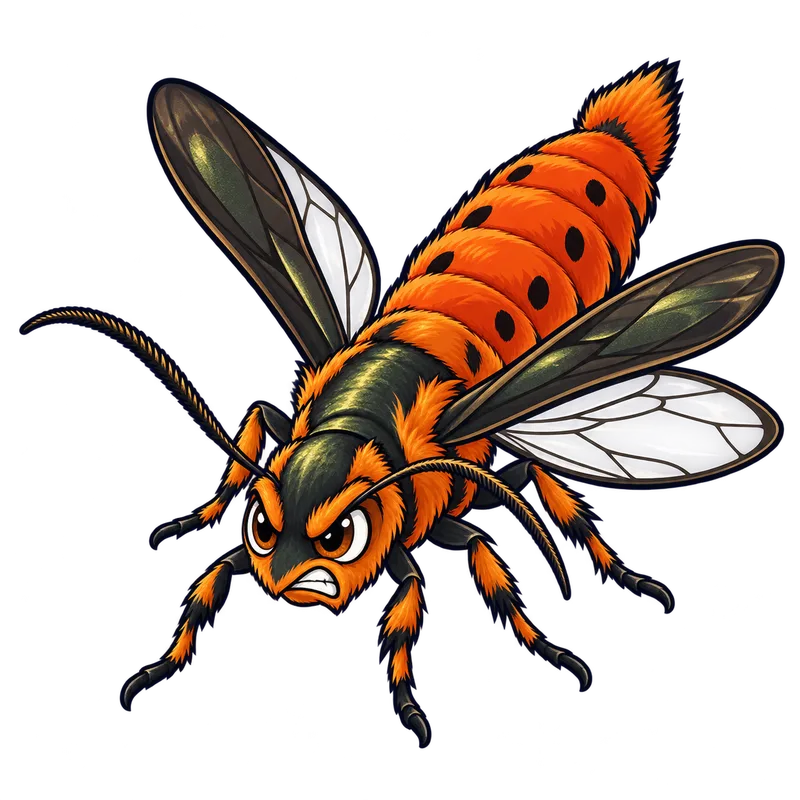
Squash vine borers work inside the stem and cause a sudden wilted runner, leaving an entry hole and frass at the base. Squash bugs stay on the outside, draining sap from leaves and fruit while leaving coppery brown egg clusters underneath the foliage.
What is actually going on
Yesterday evening the zucchini looked magnificent, big leaves and a couple of flowers opening. This afternoon one whole runner is lying flat and limp, as if someone had let the air out of it. You water it. It stays limp. Two rows over, the pumpkin looks different: leaves with dry, collapsing patches, a few fruits that never quite sized up, and some gray bugs scurrying away when you lift a leaf.
Those two scenes usually point to two different pests, and the difference comes down to where each one eats. A squash vine borer works inside the stem. A squash bug works on the outside. That single fact explains almost every sign you will see.
The squash vine borer is the caterpillar of a moth. The adult lays eggs on the vine, and as soon as the larva hatches, it chews its way into the stem and stays there, eating the inside. That tunnel cuts through the plant's plumbing, the channels that carry water up from the roots, and the part of the plant above the damage wilts. Sometimes it is one runner, sometimes the whole plant. When the caterpillar is fully grown, it leaves the stem and goes into the soil to pupate.
The squash bug is a true bug, the kind with a beak for sucking plant juices, and it never goes inside anything. Adults and young alike stay on leaves and fruit, pushing their beaks into the plant and draining its sap. The result is wilting leaves, poor fruit development and fruit that rots.
How to tell for sure
For the borer, look low. Check the base of the wilting vine and the first few inches of stem for an entry hole and for frass, the chewed debris the larva leaves behind. A vine that stays limp even after a good watering is a strong hint. It is easy to blame drought or root rot, but a look at the lower stem usually settles it.
For the squash bug, look under the leaves. The giveaway is the eggs: small clusters on the foliage that turn coppery brown before they hatch. The young, called nymphs, start out green and turn gray as they grow, and the adults are dark brown to nearly black. If you see any of those stages in numbers, you have your answer.
There is one trap worth knowing. Squash bug damage can look a lot like bacterial wilt, a disease that cucumber beetles spread. If your plants are wilting and you find neither a borer hole nor squash bugs and their eggs, the problem may not be an insect at all. That is the moment to send a sample to your extension service's plant diagnostic lab before you spray anything.
It also helps to know which crops each one prefers. Squash vine borers go after a wide range of the squash family, including summer and winter squash, pumpkins, gourds, cucumbers, cantaloupe and watermelon. Squash bugs will feed on cucumbers and other relatives but clearly favor squash.
What usually comes next
A lot of the work happens before you ever see damage.
Floating row covers, the lightweight fabric kind, laid over the bed right at planting, keep the egg laying adults of both pests off the plants. The catch is that you must take them off as soon as the first flowers open. Squash needs bees to set fruit, and a covered plant in bloom is a plant that will not produce.
Timing the planting helps too. Where your season is long enough, waiting until around mid June lets the crop miss the early peak of both pests.
For squash bugs, regular walks through the bed pay off. Turn over leaves, pick off adults and nymphs, and scrape off those coppery egg clusters, then crush them or drop them into soapy water. Because squash bugs spend their whole lives on the surface, this kind of hands on control actually reaches them.
The borer is a harder customer, because once it is inside the stem, a spray on the leaves does nothing. If you use an insecticide against borers, it has to go on the stems at the very first sign of damage, before the larva is deep inside, and be repeated at the intervals the product label allows, often around every ten days, for the rest of the season. For squash bugs, a registered product works best applied as soon as you find the bugs or their eggs. In both cases, check that the label lists your crop, follow its directions exactly, and respect the waiting period between spraying and harvest.
If you grow long running vines, there is also a clever fallback. Cover a section of the runner with a shovelful of soil every six feet or so. The buried joints grow extra roots, which gives the plant a backup water supply if the borer damages the main stem. It does not work on compact bush varieties, which do not run.
When to get help
Ask your local extension service for help when the wilting does not match either pest. A plant diagnostic lab can rule out viral, fungal and bacterial problems that no insecticide will fix.
Larger plantings, restricted use products and full season spray schedules are decisions for a licensed pesticide applicator or an agricultural extension agent. Whatever you use, avoid broad spectrum sprays while the crop is in flower and around the beneficial insects that help you, such as lady beetles, lacewings and assassin bugs.
So, when a vine collapses overnight, look at the base of the stem. When leaves wilt and fruit struggles, look underneath them for coppery eggs. The pest usually tells you where it lives.