
How is a box tree moth report handled in a newly affected area?
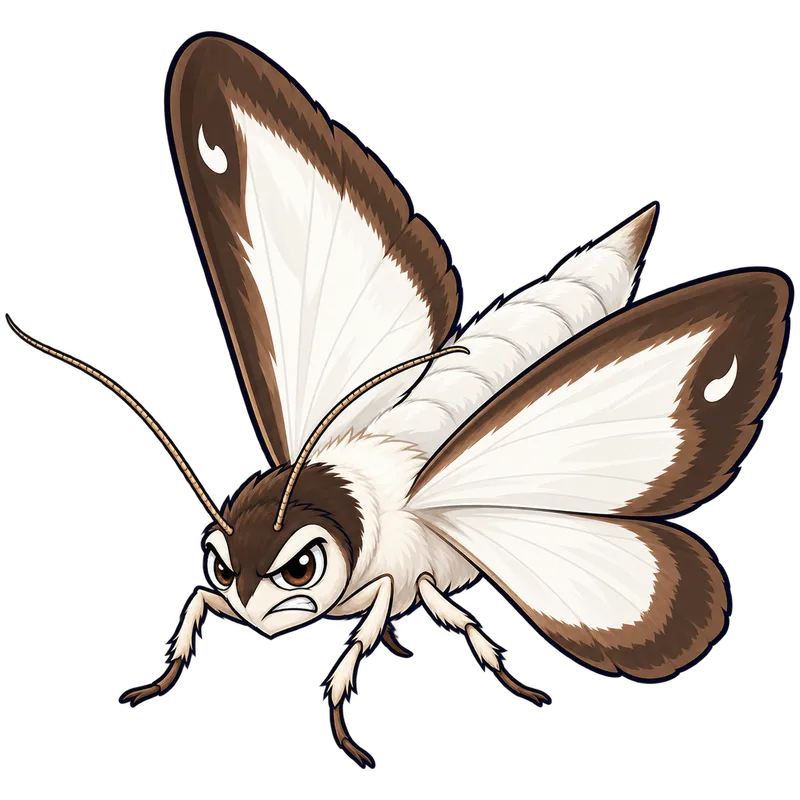
A box tree moth report in a newly affected area triggers an on-site visit by inspectors who collect physical specimens for laboratory testing. If the identity is confirmed, the plant health authority launches a delimitation survey in expanding concentric circles to check neighboring yards and trace nursery shipping records.
What is actually going on
Imagine stepping out to water the boxwoods by the front porch on a warm Tuesday morning, only to find the leaves looking strangely pale, webbed together, and chewed down to thin skeletons. You snap a quick photo on your phone and upload it to a government tree-health reporting portal. Within a couple of days, things start moving behind the scenes.
When a box tree moth report lands on the desk of a national plant health authority in a newly affected area, it triggers a strict, multi-step biosecurity response. This is not just a casual checkup by a local garden center employee. It is a formal process governed by national plant protection laws. Public reporting of high-risk invasive pests outside known quarantine zones is legally mandatory in many regions, and submitting that photo gives official inspectors the legal authority to contact you and schedule an on-site visit.
The agency does not issue quarantine rules based on a smartphone snapshot alone. Instead, inspectors visit your property to examine the shrubs, collect physical specimens such as caterpillars or pupae, and send them under strict chain-of-custody to an accredited government laboratory. Expert entomologists then perform microscopic or molecular testing to confirm the insect's identity beyond any doubt.
Once the lab confirms the specimen is the box tree moth, the agency launches a delimitation survey. Think of this like dropping a pebble into a pond, where inspectors start at your positive boxwood bush and work outward in expanding concentric circles to check every neighboring yard. They also review local nursery shipping records to trace where the plants came from and where else they might have been sold. Based on what those surveys reveal, the regulatory authority decides whether to attempt an aggressive eradication program if the population is tiny and isolated, or to establish a formal regulated quarantine zone with strict movement restrictions on boxwood material if the pest has already gained a foothold.
How to tell for sure
Spotting the moth yourself takes a bit of a detective mindset, but the physical signs on boxwood plants are usually quite distinctive. You are looking for several clear indicators on your shrubs.
Younger caterpillars feed on the lower leaf surface while leaving the upper epidermis intact, while older larvae chew away everything except the outer margins and midribs. This leaves the foliage looking skeletonized. You will also notice heavy silken webbing that usually encloses clusters of damaged leaves and debris, quite unlike the clean, solitary webs spun by harmless neighborhood spiders. Inside these webs, you can often spot small, greenish-black insect droppings scattered among the chewed foliage. Severe infestations can strip a mature boxwood bush of its green leaves almost entirely within a single season, leaving bare stems.
You might wonder if those silky threads could just be the work of ordinary garden spiders. They are not. The presence of striped green-and-black caterpillars hiding inside the webbed leaves is the dead giveaway. However, keep in mind that official quarantine decisions usually require diagnostic laboratory verification by professional entomologists. Your field observations get the process started, but the lab makes it official.
What usually comes next
If you suspect you have found this pest in a new area, the single most practical decision you face is what to do with the affected plant material. The short answer is to leave it alone and report it.
Never prune out the damaged branches and toss them into your local municipal yard waste bin or drive them across town to a green waste site. Moving uncontained green waste or infested potted plants is the primary way this pest jumps to new regions, moving much faster than the moths could ever fly on their own. Instead, take clear photos of the damage, the webbing, and any larvae you can see, and submit a report through your local agricultural extension office or national plant health portal.
When treating the bushes yourself, remember that the product label is a strict legal document. You can never invent custom chemical mixtures, exceed labeled application rates, or use products not explicitly approved for the job. If the infestation is extensive or sits on commercial property, managing it usually falls to a licensed pesticide applicator or a certified arborist who has the proper protective equipment and training to handle high-volume foliar treatments safely.
When to get help
There are moments in this process where you need to step back and let the professionals take over. If you receive an official notice that your property falls within a newly designated quarantine zone, or if you run a commercial nursery and discover suspect larvae in a shipment of imported boxwood stock, you should immediately contact your national plant health agency or state department of agriculture.
Safety and legal thresholds also apply when dealing with the physical environment around your property. If managing invasive pests requires heavy pruning or removing shrubs that happen to house active nests of protected wildlife like birds or bats, you must halt work and comply with local environmental laws protecting vertebrate species.
Finally, if your property inspections bring you into unexpected contact with disoriented or aggressive wild mammals where rabies exposure is a concern, stop what you are doing and contact local public health authorities or animal control right away. Leave the wild animals alone, follow the directions of your regional plant health inspectors regarding your boxwoods, and let the statutory framework handle the rest of the infestation.