
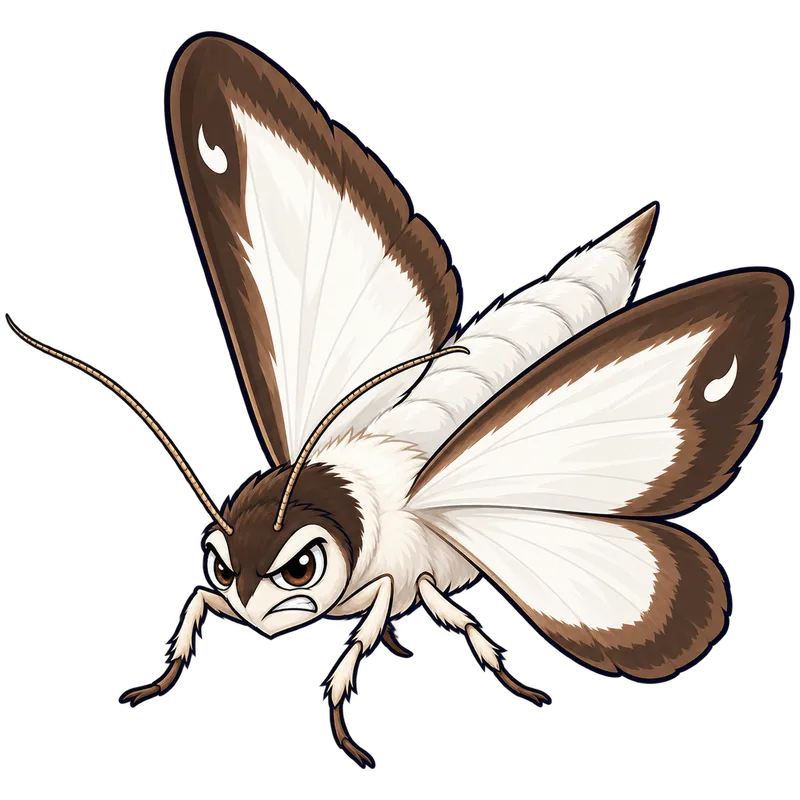
Box tree moth
Cydalima perspectalis
- Size
- Not numerically quantified, silhouette provided for scale comparison
- Color
- White and dark brown wings; green larvae with stripes
- Habitat
- Ornamental and landscape boxwood shrubs and hedges
- Diet
- Foliage exclusively of Buxus species
- Life cycle
- Egg, larval stages with webbing, pupa, winged adult
You are likely looking at this pest because your tidy green boxwood hedge has suddenly developed a patchy, scorched appearance or seems wrapped in strange, messy cobwebs. To confirm what you have, you will want to look for the adult moth or the distinctive caterpillars hidden inside the foliage. Adults are fully winged moths featuring striking translucent white forewings and hindwings, each bordered by a distinct, wide dark brown band along the outer margins. When resting, they hold these wings flat or in a slight tent shape.
Identity
Younger caterpillars are small and feed exclusively on the lower surfaces of the leaves. If you pick a leaf and turn it over, you might notice clear, paper-like patches where the green tissue has been scraped away while the upper leaf skin remains intact, creating a subtle windowpane effect. Older larvae grow larger, displaying a light-to-vivid green body marked by bold black and dark longitudinal stripes, yellow highlights, and a dark brown or black head capsule. Early feeding damage can be observed visually or under 10x magnification with a hand lens, but definitive identification requires intact specimens or high-resolution close-up photographs submitted to extension specialists or biosecurity agencies.
Confusing this pest with other insects is remarkably easy if you rely on a glance from five feet away. The boxwood leafminer is another common visitor, but its larvae live entirely inside internal leaf blisters and cause yellowing rather than spinning webs or eating the leaf surface away. Boxwood psyllids cause the tips of terminal leaves to cup and curl in spring while leaving behind white waxy threads, yet they never skeletonize the leaves. You might also mistake the webbing for that of eastern tent caterpillars or fall webworms, but those native species target deciduous shade and fruit trees like cherry and apple rather than evergreen boxwood shrubs. Boxwood blight fungal disease causes dark spots and drop without any silken webbing or chewing damage.
Habitat & behaviour
This creature is entirely devoted to a single menu, living and eating only on boxwood shrubs, neat hedges, and formal topiaries found in backyards, business parks, and city trees. Adults manage short flights around the garden, but real spread across miles happens when someone moves infested nursery plants or lets eggs and larvae hitch a ride on vehicles, tools, and patio gear leaving quarantined zones. You will find active chewing and sticky silken webs popping up all through the spring, summer, and early autumn whenever your bushes put out tender new growth.
How they eat changes entirely as the caterpillars grow bigger. Freshly hatched larvae stay quietly tucked under the leaves, grazing on the soft outer layers without making a fuss. Once they reach a larger size, they start spinning thick silken threads that tie twigs and leaves into a messy tangle. They live right inside this protective shelter and eat non-stop, leaving behind a gross buildup of waste, discarded skins, and chewed leaf bits. Because this party starts deep in the middle of a thick hedge, the shrub usually looks fine on the outside until the damage gets so bad that the whole green shell collapses.
Visual variations
The creature goes through a few distinct phases, and each one looks nothing like the one before it. The adults are the flying stage, showing off those see-through white wings framed by dark brown borders and thin, hair-like antennae. They do not live in colonies with organized jobs, so you will not bump into workers or queens out there.
The caterpillar stage looks completely different from youth to old age. Tiny young caterpillars are easy to miss, leaving behind those subtle, paper-thin patches on the underside of the leaves. Older caterpillars turn into unmistakable, bright green bugs with bold black stripes, yellow highlights, and dark heads. They build the heavy silk tents that trap all the garden debris and chewed leaves. Egg masses and pupae stay hidden right on the host plants or nearby flat surfaces, tucked out of sight on house siding, garden fences, or patio chairs.
Why it matters
Finding this pest spells real trouble for your boxwoods, since heavy attacks lead to total defoliation, skeletonized leaves, ugly webs, fading plant health, and eventual death if the damage keeps happening year after year. The good news is that these caterpillars lack stinging hairs or venom, meaning they present zero toxic or medical risks to you, your kids, or your pets. Still, because this insect is a regulated quarantine pest, spotting suspected signs outside of known zones means you need to report it to plant health officials, such as the Canadian Food Inspection Agency through their online reporting tool, to help monitor and stop its spread.
Similar species
 BagwormThyridopteryx ephemeraeformis
 Eastern tent caterpillarMalacosoma americanum
 Forest tent caterpillarMalacosoma disstria
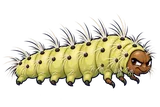 Fall webwormHyphantria cunea
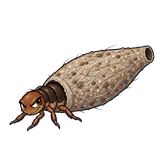 Household casebearer (plaster bagworm)Phereoeca uterella
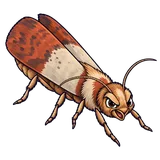 Indianmeal mothPlodia interpunctella