
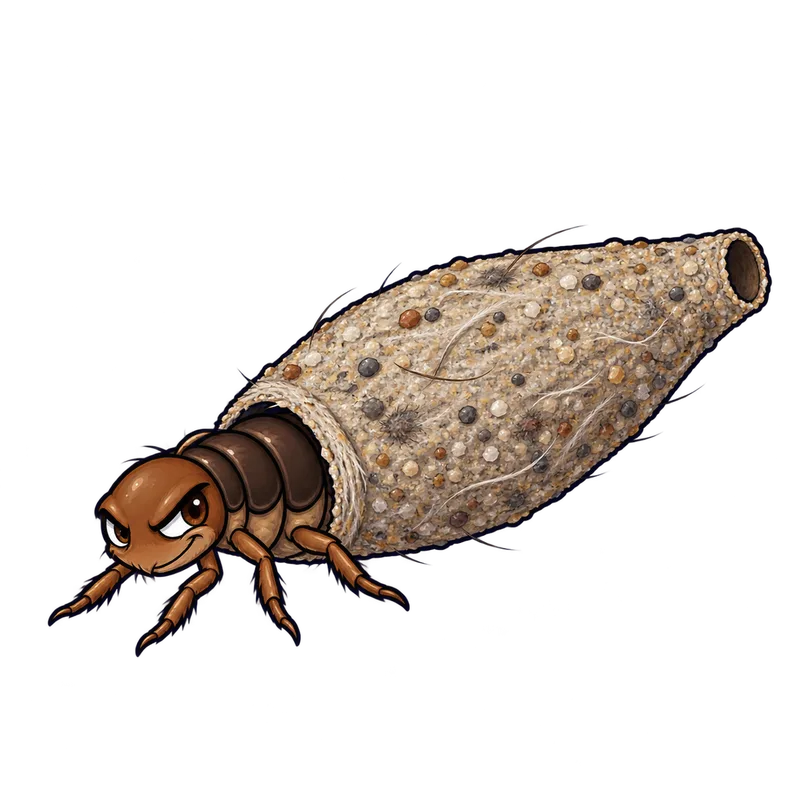
Household casebearer (plaster bagworm)
Phereoeca uterella
- Size
- 5 to 8 mm adult body length
- Color
- Buff-gray, yellowish, or silvery-grey
- Habitat
- Dark, undisturbed indoor areas and wall surfaces
- Diet
- Animal proteins, wool, hair, and feathers
- Life cycle
- Complete metamorphosis with multiple generations yearly
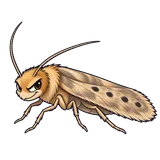
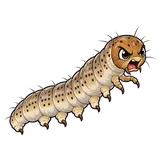
You spot a tiny, grayish object inching its way across your living room wall, and for a second, you might mistake it for an escaped grain of rice or a bit of lint. Look closer, perhaps with a basic ten-power hand lens, and you will see that it is actually a flattened, spindle-shaped silken case with a caterpillar inside. The household casebearer, often called the plaster bagworm, spends its entire larval existence tucked securely inside this portable sleeping bag. The creature extends only its dark brown head and three pairs of legs from the front opening to crawl and graze, dragging its home along every surface it traverses. Adults are small, narrow-winged moths measuring about one-quarter of an inch, boasting a dull buff-gray or silvery color with faint dark spots on the forewings. Distinguishing this specific case-bearing moth from its close relatives in the field is nearly impossible with the naked eye, often requiring microscopic examination of wing venation or genital structures by a specialist.
Habitat & behaviour
Indoors, these creatures prefer quiet, dark, and damp locations where human traffic is rare and organic debris accumulates undisturbed. You will find them hiding in closet corners, under heavy furniture, inside storage trunks, along baseboards, and clinging to plaster walls or drywall. Unlike many household pests that seek out bright kitchen lights, adult moths are strongly photophobic, meaning they actively avoid illumination and prefer to scuttle or flutter low to the ground into dark crevices when disturbed. The primary draw is not structural wood or damp framing, but the invisible accumulation of organic detritus. Pet hair, shed human skin scales, dust bunnies under the couch, and wool fibers provide an endless buffet for the wandering larvae. In unheated buildings, they typically complete a single generation per year with adults emerging in late spring, but modern heated homes allow them to reproduce continuously, producing multiple generations annually.
Visual variations
Growth follows four distinct steps of complete change, shifting from egg to caterpillar, then resting pupa, and finally flying adult. The tiny, see-through white eggs are dropped one by one or in small groups in dark cracks or straight onto good feeding spots. As soon as it hatches, the young caterpillar spins its own silk case, which it keeps enlarging with silk, dust, and tiny bits of trash as it gets bigger through its growing phases. Unlike social ants or termites, these moths live completely alone without workers or soldiers. When it finishes growing, the caterpillar glues its case to a wall or baseboard and turns into a pupa safely inside. The adult moth finally crawls out as a fragile winged flyer with thin, frayed edges. Males and females look almost identical, and telling them apart demands serious magnification since their outside traits are remarkably close.
Why it matters
Spotting empty silk cases stuck to your plaster walls or seeing chewed patches on a wool rug means a living group is eating close by. The caterpillars go after animal proteins and keratin, chewing through wool carpets, wall hangings, clothes, furniture fabric, and stuffed animal mounts, particularly when the fabrics are stained with sweat or food grease. Even though their little houses marching up a fresh paint job are an eyesore, these bugs never bite, sting, or spread sickness to people or animals. They lack any mouth parts that could pinch human skin and bring zero medical danger, although piles of shed skins and silk dust might sometimes trigger breathing allergies in sensitive people. Getting the exact name right matters mostly when picking the proper control plan, since telling them apart from carpet beetles or webbing clothes moths makes sure you fix the real food source instead of wasting time on safe synthetic items.
Similar species
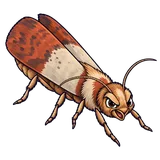 Indianmeal mothPlodia interpunctella
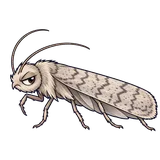 Mediterranean flour mothEphestia kuehniella
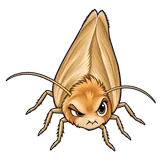 Webbing clothes mothTineola bisselliella
 Casemaking clothes mothTinea pellionella
 Sod webwormsFamily Crambidae
 Squash vine borerMelittia cucurbitae