
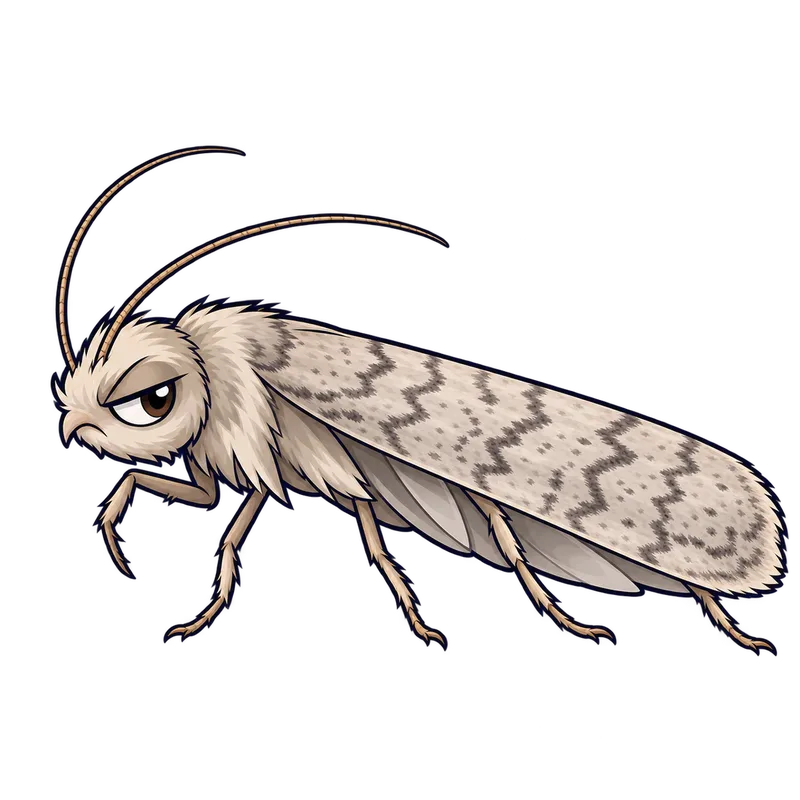
Mediterranean flour moth
Ephestia kuehniella
- Size
- Source Gap (unrecorded)
- Color
- Source Gap (unrecorded)
- Habitat
- Residential kitchens and pantries
- Diet
- Milled grains and stored foods
- Life cycle
- Not established
The Mediterranean flour moth, scientifically tracked under the working identity Ephestia kuehniella, represents a category where precise technical metrics are absent from standard source libraries. Even without a complete set of physical measurements or color charts for this specific species, we know enough about how stored-product pests operate to recognize them when they show up in the pantry. When you find small moths hovering near your baking supplies, you are looking at an insect whose life cycle is entirely dedicated to finding dry food, reproducing, and starting the cycle over again.
Identity
Trying to identify a pantry moth by sight alone often leads to confusion with other common household species. If you pull out a hand lens to examine a moth resting near your flour bins, you might actually be looking at the Indian meal moth, which is easily distinguished by the distinct copper-colored tips on the outer half of its forewings. Fabric-infesting insects like the webbing clothes moth and the casemaking clothes moth share a similar small stature, measuring around one-quarter of an inch, but they display entirely different color schemes and habits. The webbing clothes moth features a uniform golden sheen with a reddish tuft of hair on top of its head, while the casemaking clothes moth shows a buff-gray body with three faint dark spots on each forewing. None of these look-alikes share the same food preferences, meaning a quick look at where you found the insect usually tells you more than squinting at wing scales.
Habitat & behaviour
You will find these creatures setting up housekeeping wherever dry grain and milled plant products sit waiting in residential kitchens, pantries, and commercial facilities. They care nothing for natural fibers and focus entirely on food, settling comfortably into open bags of flour, cereal, nuts, spices, dried fruit, and pet food. Unlike clothes moths that dodge the light and sprint for dark wardrobe corners, these pantry residents fly in a weak, wandering pattern through both day and night hours. Modern centrally heated homes offer a steady indoor climate that skips natural winter dormancy, meaning populations can breed without pause across multiple generations every year if left alone.
Visual variations
The life cycle runs through four clear stages: egg, larva, pupa, and adult. The tiny, see-through eggs are dropped right on or near the food supply and hatch into caterpillar larvae, which do all the actual damage. These larvae spin silken threads through the food they infest, ruining the grain with waste and shed skins. After feeding finishes, they spin silken cocoons and emerge as adult moths. Grown moths have mouthparts that do not work, meaning they cannot bite, sting, or eat your groceries, and they live only to mate and start the next round of eggs.
Why it matters
Discovering these pests in your cupboards means your dry goods now contain silken webs and larval waste, turning the food unpalatable and calling for the trash bin. They carry no direct health threat, never bite people or pets, and leave your wool clothing and wooden structures completely alone.
Similar species
 Webbing clothes mothTineola bisselliella
 Casemaking clothes mothTinea pellionella
 Sod webwormsFamily Crambidae
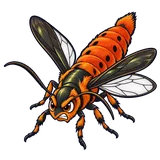 Squash vine borerMelittia cucurbitae
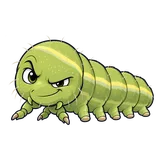 Imported cabbagewormPieris rapae
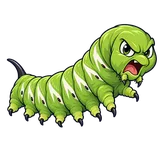 Tomato hornwormManduca quinquemaculata