
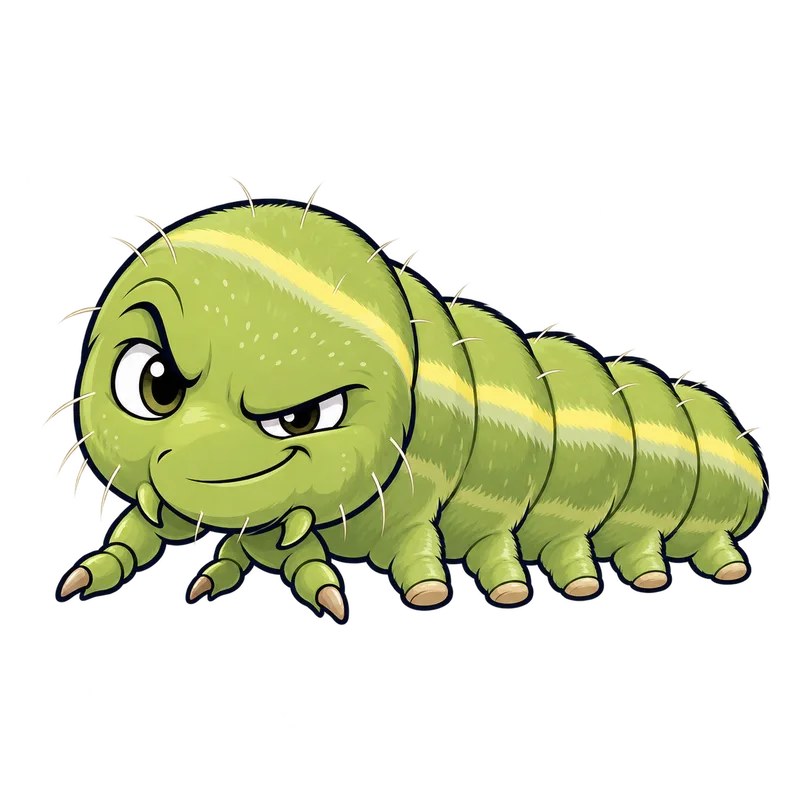
Imported cabbageworm
Pieris rapae
- Size
- Up to 1 and 1/4 inches long
- Color
- Velvety green with faint yellow longitudinal stripes
- Habitat
- Brassica crop foliage and garden debris
- Diet
- Cabbage, kale, collards, and related crucifers
- Life cycle
- 4 to 5 weeks from egg to adult
The imported cabbageworm is not a worm at all, despite the name, but rather the larval stage of a small white butterfly that flitters idly around the vegetable patch on sunny afternoons. You will rarely need magnification to spot the damage or the creature itself. Fully grown caterpillars reach up to 1 and 1/4 inches long and wear a coat of velvety green, dusted with fine hairs and marked by a faint yellow line running straight down the back.
Identity
People frequently confuse these caterpillars with cabbage loopers, which causes plenty of misdirected frustration. If you want to know which one is chewing your kale, watch how it moves. The imported cabbageworm crawls flat and straight across the leaf. The cabbage looper, on the other hand, arches its back into a loop like a measuring worm because it lacks prolegs in the middle of its body.
Another frequent mix-up involves the parsleyworm, which is the caterpillar of the black swallowtail. Parsleyworm larvae are larger, growing up to 2 inches long, and feature striking black bands dotted with yellow and white, plus a habit of pushing out orange defensive horns when startled. They also stick to carrots, parsley, and dill, leaving your cabbages alone. Cutworms are another entirely different group, presenting a dull gray or brown appearance and curling into a tight letter C when disturbed, rather than lingering on the leaves to feed in daylight.
Habitat & behaviour
You find these creatures wherever brassica crops grow, which includes home gardens and commercial fields planted with cabbage, cauliflower, collards, Brussels sprouts, mustard, turnip, and kale. Adults emerge in spring from overwintered pupae tucked away in garden remnants and plant debris, immediately seeking out the first true leaves of host plants to lay eggs.
Unlike nocturnal pests that hide from the sun, adult butterflies are active diurnal fliers, meaning they flutter about during the brightest daylight hours. The caterpillars hatch and set up shop on the undersides of leaves, feeding continuously as they grow. They operate as solitary diners rather than moving in massive communal packs, though a heavy infestation can feature dozens of individual caterpillars spread across a single patch of greens. Multiple generations cycle through the garden from spring right through autumn until the first hard frosts put an end to the buffet.
Visual variations
The life cycle shifts through four distinct forms, each looking entirely different from the last. Eggs are laid directly on host foliage, though they are tiny and easy to miss until the damage gives them away.
From the egg emerges the caterpillar, which is the stage responsible for all the plant destruction. It starts small, but as it matures into that 1 and 1/4-inch length, the velvety green texture and faint yellow longitudinal stripes become unmistakable against the dark green of a collard leaf.
When the caterpillar finishes feeding, it transforms into a chrysalis or pupa, anchoring itself securely to plant stems, leftover crop debris, or nearby structures to ride out cold weather.
The adult stage brings the winged butterfly. These are white with distinct black or dark spots on the upper surface of the forewings, while the undersides show a pale yellowish-green shading that helps them blend into foliage when resting. There are no complex social castes here. Every individual operates independently, and the males and females look largely alike as they dart between flowering weeds and garden rows.
Why it matters
An infestation means your brassicas are in for a rough time. The caterpillars chew large, irregular, ragged holes through the leaf blades and bore directly into the hearts of developing cabbage heads. This leaves behind a trail of dark green frass, which is caterpillar waste, contaminating the produce and rendering the vegetable heads completely unmarketable.
Fortunately, the creatures pose no direct physical threat to humans or pets. They do not sting, bite, or carry urticating hairs, meaning you can pluck them off your plants with bare hands without worrying about an allergic rash. This sets them apart from hairy forest caterpillars like the pine processionary moth, whose defenses can cause severe reactions.
Precise identification matters mainly because control methods depend on knowing your enemy. Handpicking and cultural cleanup work well for small garden beds, while biological options like the bacterial spray Bacillus thuringiensis offer targeted relief. If you turn to chemical insecticides, you must obey strict pre-harvest intervals, meaning waiting the required number of days after spraying before you pick your dinner.
Similar species
 Tomato hornwormManduca quinquemaculata
 Tobacco hornwormManduca sexta
 Codling mothCydia pomonella
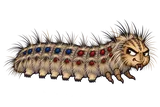 Spongy mothLymantria dispar
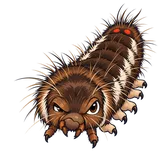 Browntail mothEuproctis chrysorrhoea
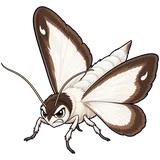 Box tree mothCydalima perspectalis