
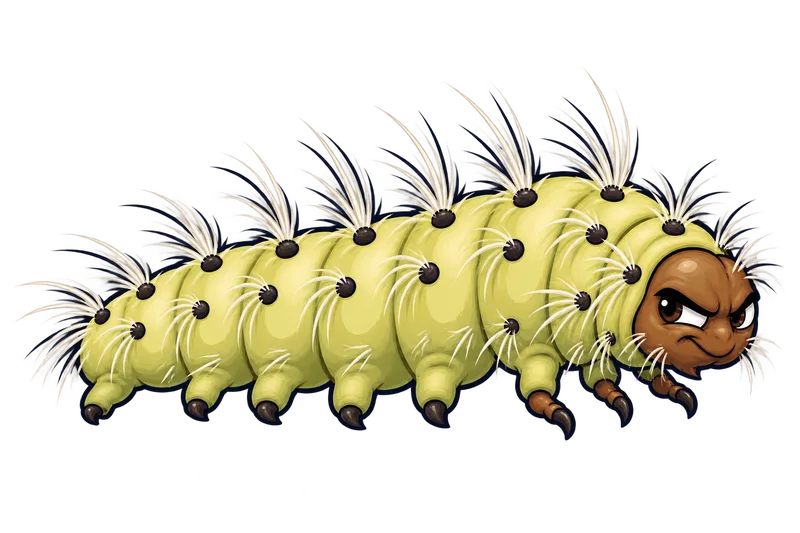
Fall webworm
Hyphantria cunea
- Size
- 1.5 inches length threshold for effective treatment
- Color
- Not established
- Habitat
- Landscape, shade, and urban forest trees
- Diet
- Deciduous foliage of trees and shrubs
- Life cycle
- Bivoltine with two annual generations
You do not need a magnifying glass to spot these caterpillars. They announce themselves by spinning untidy, grayish-white silken tents out at the very tips of tree branches. If you look into those webs, you will see dozens of hairy caterpillars crowded together, systematically chewing every leaf enclosed inside their silken fortress.
Identity
The most common mix-up happens with the Eastern tent caterpillar, but time is your best guide here. Eastern tent caterpillars show up in April when the trees are just leafing out and build their webs snugly down in the crotches of major branches. Fall webworms arrive much later, starting in late June or July, and always stick to the outer branch tips. If you find a tree draped in heavy silk in August, you are looking at a Fall webworm, not its early-season cousin. Forest tent caterpillars are another frequent suspect, but they do not build silken webs at all. Lawn sod webworms also confuse people, but those live in the grass and thatch near the ground rather than up in the tree canopy.
Habitat & behaviour
These moths spend their life cycle aloft in shade trees, ornamental plantings, and forest borders, with a particular fondness for hardwood canopies. They operate on a two-generation schedule in many regions. The first wave of caterpillars starts spinning webs and feeding in late June or July, while the second generation takes over in August and early September.
Instead of roaming around like solitary hunters, the larvae are fiercely gregarious. They stay together under the shared shelter of their web, expanding the silk tent outward as they consume more foliage to make room for their growing bodies. In heavy outbreak years, these webs can multiply across a single tree until the entire canopy looks wrapped in gauze. While it looks alarming, established trees can usually handle this late-season defoliation because the leaves are already nearing the end of their normal functional year.
Visual variations
You are most likely to run into the caterpillar stage, since that is when they crowd together inside those branch-tip tents. They grow up to 1.5 inches long before they finally stop feeding for the season. Standard extension guides tend to skip the fine details of their head capsule markings, skin colors, and individual hair patterns, but their social web-building habits make them unmistakable anyway.
As for the adult moths, regional reports usually leave out their exact wingspan, wing coloration, and sexual differences. Adults fly at night and blend right into bark, so homeowners almost never notice them until the next generation of caterpillars starts spinning tents. You will not find any non-social castes here either. The adults fly on their own, even if the caterpillars spend their early weeks living in crowded communes.
Why it matters
An infestation mostly leaves you with chewed foliage, stressed ornamental trees, and branches that look downright ghostly. Even when a heavy outbreak strips a whole branch bare, these insects do not bite, sting, or carry the nasty, irritating hairs found in some related foreign pests that send people running to the doctor.
The real danger to your yard usually comes from how people react out of frustration. Homeowners sometimes grab a torch or fire up a blowtorch to burn the webs right out of the branches, which chars the living bark and ruins the tree far more than a few caterpillars ever could. If you want to use chemical sprays or bacterial treatments, timing is everything. Once the caterpillars grow past that 1.5 inches length threshold, sprays stop working entirely. You have to catch them early when the webs are small, or rely on mechanical removal like pulling the webs down by hand, pruning out the infested branch tips on smaller trees, or blasting the tents apart with a strong stream of water from a garden hose. For large, tall shade trees that put you at risk of a fall, bring in an experienced commercial arborist to handle the canopy safely.
Similar species
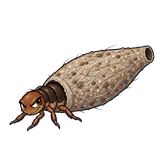 Household casebearer (plaster bagworm)Phereoeca uterella
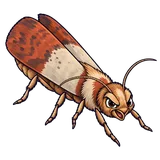 Indianmeal mothPlodia interpunctella
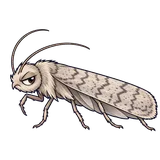 Mediterranean flour mothEphestia kuehniella
 Webbing clothes mothTineola bisselliella
 Casemaking clothes mothTinea pellionella
 Sod webwormsFamily Crambidae