

Eastern tent caterpillar
Malacosoma americanum
- Size
- Not established
- Color
- Not established
- Habitat
- Woodlands, orchards, and residential landscapes across Eastern North America
- Diet
- Broadleaf foliage of wild cherry, apple, and other hardwoods
- Life cycle
- Complete metamorphosis with one generation per year
You spot them first thing in spring, looking like dirty gray rags snagged in the crotches of wild cherry trees along the edge of a woodlot. Those silk tents are the signature of the eastern tent caterpillar, scientifically known as Malacosoma americanum. They are not random blobs of webbing tossed into the brush by the wind. They are dense, carefully placed architectural structures built right where a branch forks into smaller limbs. From a distance across the yard, the bright white silk against bare or budding wood gives them away immediately. If you walk up to one on a chilly April morning, you will see the occupants piled on top of each other inside the webbing, waiting for the sun to hit the canopy. Exact measurements for the adult moths or full-grown caterpillars are rarely needed because nobody identifies this insect by counting millimeters on a ruler. You identify it by the neighborhood it chooses and the shape of its home. The dark egg masses wrapped like little collars around bare twigs in the dead of winter are just as diagnostic once you start looking for them on dormant apple and crabapple branches.
Identity
Sorting out the eastern tent caterpillar from its botanical neighbors mostly comes down to real estate and timing. People often mix them up with forest tent caterpillars, but forest tent caterpillars do not spin silken tents at all. If you see a naked branch crammed with caterpillars marching about without a web in sight, you are looking at the forest cousin. Then there is the fall webworm, which causes similar panic by wrapping branch tips in silk. The timing gives that one away instantly, because fall webworms show up in late summer rather than early spring, and they enclose the outer leaves of branch tips rather than settling neatly into the crotches of limbs. Gypsy moth caterpillars also share the spring defoliation calendar, but they never bother building a communal web. Recognizing Malacosoma americanum relies entirely on finding that signature silk tent in a branch fork during April, long before summer pests arrive on the scene.
Habitat & behaviour
This native moth makes its home across eastern and mid-atlantic North America wherever wild cherries, apples, and flowering crabapples grow. When those tree buds swell and burst open in April, the overwintering eggs hatch right on schedule, and the tiny caterpillars immediately start spinning their communal tent. Their daily routine is remarkably predictable. They spend the night and the early morning hours packed tightly inside the silk shelter to stay warm. As the day warms up, they march out in columns along the branches to chew on broadleaf foliage across the canopy. When dusk approaches, they follow their own silk trails back to the safety of the web. They are sporadic pests, meaning you might have a dozen tents in your yard one spring and none at all for the next three years. Natural predators like birds, tachinid flies, and parasitic wasps usually keep populations in check, but when local numbers spike, entire roadside cherry trees can stand bare by late spring.
Visual variations
Like all moths, this species goes through complete metamorphosis, shifting entirely from a crawling larva into a flying adult through an intermediate pupal stage. The caterpillars are the stage you actually run into around the yard. They hatch out tiny and dark, getting larger and more colorful as they molt through several stages over the spring months. By the time they are ready to leave the tree and pupate in the grass or under loose bark, they are robust hairy caterpillars with distinct markings. The adults are stout, functional moths that emerge later in the season to mate and lay the next generation of eggs on small twigs, but their fine color details and wing patterns are rarely the focus of field identification. Because they are solitary insects outside of their shared larval tents, they do not form social castes with distinct workers or soldiers like ants or termites do. Every caterpillar is just trying to eat, grow, and become a moth before its food source runs out.
Why it matters
An infestation of silken tents in your favorite ornamental fruit tree looks like a disaster in the making, but healthy established trees can handle a surprising amount of early-season defoliation. The tree simply pushes out a second flush of leaves once the caterpillars finish feeding and disperse in June. Homeowners often panic and prune off major structural limbs or, worse, take a propane torch to the branches to burn the web out. That kind of amateur fire management causes far more damage to the living bark layer of the tree than the insects ever would. A simple wipe with a gloved hand or a stick into a bucket of soapy water during the cool morning hours is enough to manage a small garden population. If you are thinking about using biological controls like bacterial sprays, timing is everything. Those treatments only work when the caterpillars are small and actively feeding, and they lose effectiveness entirely once the insects approach maturity. For immense shade trees where the tents are dangling high out of reach, calling in an arborist with proper spray equipment is usually the safest route for your trees and your landscape budget. If you experience skin or eye irritation from physical contact with caterpillar hairs or debris, consult a clinician, urgent care service, or poison control center.
Similar species
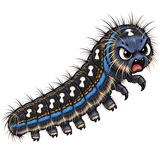 Forest tent caterpillarMalacosoma disstria
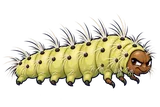 Fall webwormHyphantria cunea
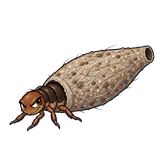 Household casebearer (plaster bagworm)Phereoeca uterella
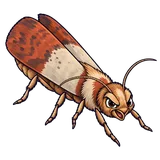 Indianmeal mothPlodia interpunctella
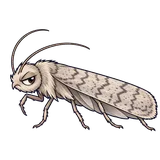 Mediterranean flour mothEphestia kuehniella
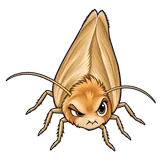 Webbing clothes mothTineola bisselliella