
How is box tree moth damage treated?
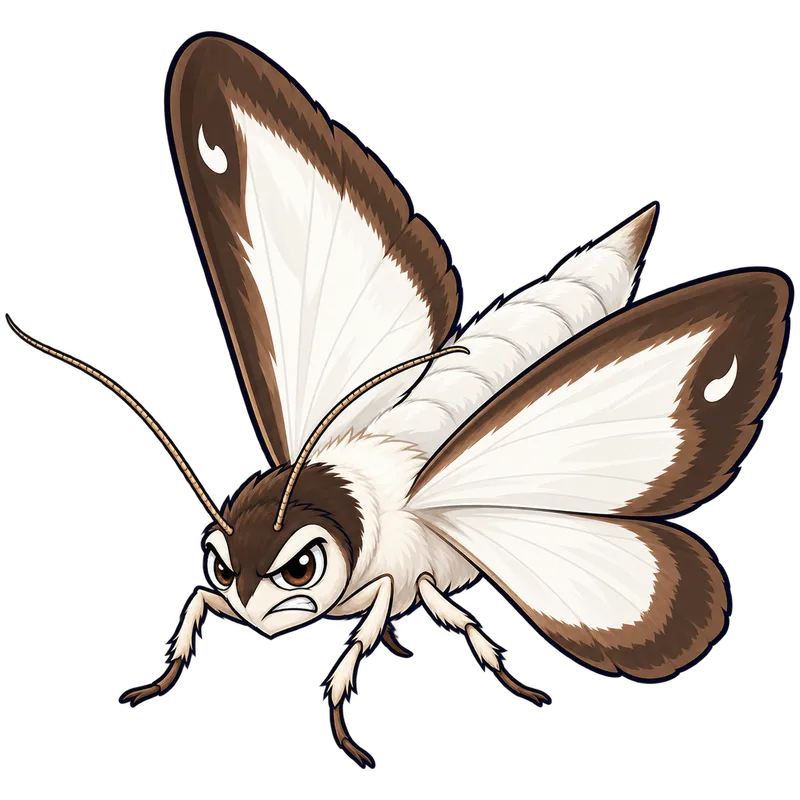
Box tree moth damage is treated by a combination of handpicking caterpillars, pruning away webbed nests, and applying selective biological controls. The right approach depends heavily on the scale of the infestation and local biosecurity rules. You must also check whether official agricultural oversight applies in your region.
What is actually going on
You walk out to inspect the front garden hedge with your morning coffee, and something looks deeply wrong with your favorite boxwood shrubs. The once-vibrant green canopy has patches of strange, greyish brown foliage that look almost ghostly, and a closer look reveals messy, gauze-like webbing tangled deep among the stems. If you are dealing with an infestation of the box tree moth, you are looking at the handiwork of an invasive caterpillar that has quietly become one of the most destructive pests to hit ornamental plantings.
So, how is this damage actually treated? The short answer is that management depends heavily on the scale of the infestation and local biosecurity rules. For light, isolated garden outbreaks, you typically rely on a combination of handpicking caterpillars, pruning away webbed nests, and applying selective biological controls while the larvae are still small. Because this insect is a regulated quarantine pest in many jurisdictions, your local management choices might also be subject to mandatory reporting and official oversight from agricultural authorities.
The feeding habits of these caterpillars make early detection a bit tricky unless you know what to look for. When the larvae hatch, they do not immediately chew straight through the leaves. Instead, the younger caterpillars start by scraping away only the lower surface of the leaf while leaving the upper layer intact, creating translucent, windowpane-like patches that easily escape a casual glance. As the insects grow larger, they spin those dense silken webs to protect themselves from weather and predators, and they begin eating the entire leaf down to the tough central midribs. This leaves behind a skeletonized mess of bare veins and dark insect droppings trapped inside the silk.
How to tell for sure
Before you haul out sprayers or start cutting branches, you need to make certain you are actually dealing with box tree moths and not one of several other common boxwood ailments. Gardeners usually spot the trouble first by looking for that distinctive silken webbing binding the interior leaves together, along with a noticeable thinning of the green canopy. If you part the outer foliage with a pair of gloved hands and peer into the shady center of the shrub, you will usually find dark frass pellets, which look like tiny crumbs of insect waste, caught up in the webs.
You can confirm the early stages of damage by plucking a suspicious leaf and inspecting the underside with a magnifying glass. If you see that the lower leaf skin has been scraped away while the top membrane remains clear and unbroken, you are looking at early larval feeding. Older caterpillars grow quite distinctive as well, sporting bright green and black stripes running down their bodies. However, you should always double-check the symptoms because other pests can cause confusion.
For instance, boxwood leafminers cause blister-like swellings inside the leaves, boxwood psyllids cause cup-shaped curling at the very tips of new shoots, and spider mites cause fine yellow stippling and bronzing without producing any caterpillar webbing whatsoever. None of those other pests make silk, and none of them respond to the same treatments, so getting the identity right saves you from wasting time on the wrong fix. It is also worth noting that while general caterpillar controls are widely discussed in gardening literature, specific chemical active ingredients tailored exclusively for the box tree moth are often absent from standard home guides, which usually points you toward broad defoliator strategies instead.
What usually comes next
Once you confirm that you are dealing with active caterpillars rather than mites or a plant disease, your immediate choice comes down to picking between a hands-on physical cleanup and bringing in professional help. If you find just a few webbed clusters on a single ornamental shrub near your patio, you can usually handle it yourself by putting on gloves, picking the caterpillars off by hand, and pruning away the worst of the damaged twigs. You just drop the harvested insects into a bucket of warm, soapy water to finish them off, and make sure to clear away any fallen leaf litter sitting right beneath the plant.
When you take the pruning route, however, you have to be careful not to spread plant pathogens from one branch to another. Think of it like a surgeon sterilizing instruments between procedures. You should dip your pruning shears into rubbing alcohol or a household bleach solution mixed with a little dish soap as a wetting agent between every few cuts.
The real turning point arrives when the infestation is no longer confined to a single garden shrub. If you are managing a massive formal hedge, tall topiary specimens, or an outbreak that covers multiple large plants, handheld household tools will not give you the thorough coverage you need. In those larger scenarios, the smart move usually shifts away from weekend gardening and toward hiring a licensed arborist or a professional landscape service equipped with high-pressure sprayers to handle the workload safely and thoroughly.
When to get help
There are definite moments when managing box tree moth damage goes beyond what a homeowner should handle alone, and knowing when to step back prevents both regulatory trouble and wasted effort. If you live in a region where the box tree moth is a legally regulated quarantine pest, discovering the insect usually triggers a statutory reporting obligation. In those regulated zones, you may need to contact your local agricultural extension office or submit an official community science report, and you might be required to follow strict government disposal protocols or grant property access to official plant health inspectors.
You should also involve a professional landscape contractor or certified arborist when the scale of the damage outgrows domestic equipment. Expansive estate hedges, dense commercial nursery stock, and tall specimen plants require specialized hydraulic sprayers and technical expertise to treat effectively without exposing yourself to excessive pesticide drift or risking incomplete coverage that simply lets the pests bounce back.
Finally, if you choose to use any biological or chemical sprays to combat the caterpillars, always read and follow the product label as the absolute legal authority. Should you ever experience accidental pesticide exposure, skin irritation, or any adverse health symptoms while handling garden treatments, stop immediately, wash the affected area thoroughly, and contact poison control or a medical clinician right away.