
What do pantry moths eat?
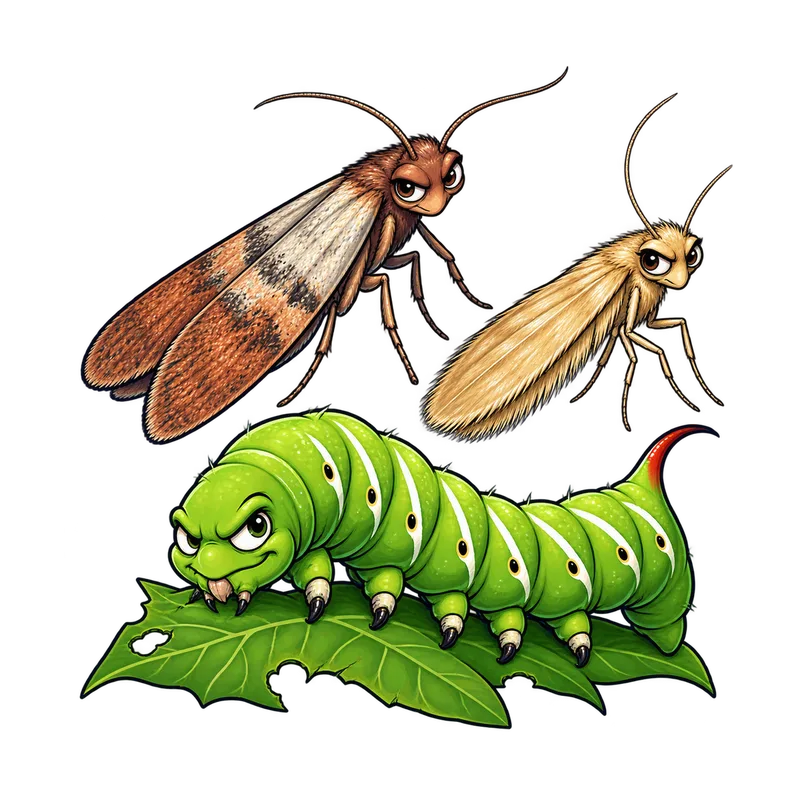
Pantry moths eat stored dry plant products, including grains, flours, cereals, nuts, seeds, dried fruits, spices, dry pet food, and wild birdseed. The actual feeding is done by the larvae, while adult moths have non-functional mouthparts and do not eat at all. They strictly avoid household textiles like wool and cotton.
What is actually going on
You pull a box of oatmeal or cornmeal from the back of the pantry on a Saturday morning, open the top, and notice something odd. Instead of flowing freely, the dry grains stick together in clumps, bound by tiny cobweb-like strings. If you look closer, you might even spot a few pale, wriggling caterpillars or a small, two-toned moth fluttering away toward the ceiling. So, what exactly do these creatures eat to get so comfortable in your kitchen?
Pantry moths, specifically the Indian meal moth, are generalist eaters with a massive appetite for stored dry plant products. The larvae, which are the actual caterpillars doing the feeding, target grains, flours, cereals, nuts, seeds, dried fruits, biscuits, cocoa, chocolate, spices, dry pet food, and wild birdseed. If it is a dry, plant-based food item left sitting in a paper bag or a cardboard box, chances are high that a pantry moth considers it dinner.
A common misconception is that adult moths are the ones chewing through your groceries. In reality, the adult moths have non-functional mouthparts and do not eat anything at all. Their only job is to mate and lay eggs, meaning the ones you see flying around your kitchen are merely a visual warning sign that an active nursery is operating somewhere in your cabinets. All the physical damage, along with the silken webbing and tiny dark droppings known as frass, comes entirely from the hungry larvae crawling through your food.
It also helps to clear up a common mix-up regarding household textiles. People often worry that pantry moths will chew through woolen sweaters, silk scarves, or cotton shirts tucked away in a bedroom closet. They do not. Pantry moths restrict their diet strictly to plant-derived dry foods and stored grains. If you find moths destroying clothing, you are looking at an entirely different insect, such as the webbing clothes moth, which relies on animal-derived proteins like wool and feathers.
How to tell for sure
Spotting the problem usually starts with noticing weak-flying, small moths with distinctive wings. Their wings usually feature a pale grayish-white base near the body and a coppery-red or bronze coloring on the outer two-thirds. When these insects show up in kitchen or pantry areas, they point straight toward a nearby dry food source.
Inside the food packages, the evidence becomes unmistakable. As the larvae feed, they continuously spin silken threads that mat the food together into foul, webbed clumps. You will usually find these sticky webs clinging to the top layers of flour, pet kibble, or cereal. Entrapped inside that webbing, you will often see tiny dark specks, which are larval droppings rather than eggs. The actual eggs are microscopic, translucent, and usually invisible to the naked eye.
Where you find the infestation usually depends on your storage habits. Residential kitchens and food pantries are the classic spots, but high-risk entry points often include large bags of dry dog or cat food and sacks of wild birdseed stored out in the garage, basement, or utility closet. These uninspected bulk items act as a trojan horse, allowing the pests to multiply before quietly migrating into kitchen cabinets.
You can usually tell a pantry moth apart from other pantry invaders by looking at the food damage pattern rather than just the insect. If you store your dry goods in clear glass or hard plastic containers instead of original paper sacks, you can usually spot the webbing and larvae within seconds through the sides of the jar before the infestation spreads across the entire pantry.
What usually comes next
Once you confirm the problem, your main practical choice involves deciding whether to throw out infested groceries or try to save them. The most dependable method is tracking down the exact source, sealing those damaged packages in a sturdy plastic bag, and walking them straight out to the outdoor trash can so the pests cannot crawl back inside.
Sifting through heavily webbed grain to salvage a portion rarely pays off, since microscopic eggs and tiny hidden larvae almost always linger in the mix. If you have uninfested dry goods that need protection, or items you suspect might harbor invisible eggs, cold treatment offers a reliable fix. Storing vulnerable foods or pet kibble in a home freezer at minus 4 degrees Fahrenheit for 7 days, or at 0 degrees Fahrenheit for 48 to 72 hours, finishes off every stage of the pest. You can also heat small batches of dry items in a standard oven on a low setting for a set time, though freezing is generally much easier to manage at home.
Clearing out the source and treating what stays leads directly into thorough physical cleaning. Running a vacuum nozzle along cabinet shelves, tight corners, crevice cracks, and where walls meet the ceiling sucks up stray food crumbs, hidden cocoons, and loose eggs. Scrubbing those shelves with warm soapy water cleans the slate, letting you move your remaining dry groceries into secure airtight containers made of glass, metal, or thick rigid plastic. Thin cardboard and paper sacks offer no barrier whatsoever to chewing larvae, meaning upgraded storage is the primary defense against a repeat visit.
When to get help
Pantry moths present a very mild risk overall. They never bite, they never sting, they do not spread dangerous human diseases, and they leave the structure of your house completely alone. Discovering them inside a box of pasta feels upsetting, but it is an inconvenience rather than a health emergency, and eating small amounts of contaminated food does not cause serious illness.
Even so, the larval droppings, cast-off skins, and silken webs can spoil food quality and sometimes trigger allergic rhinitis, eye irritation, or asthma flares in sensitive people. If someone living with you develops severe allergic symptoms or ongoing breathing trouble after coming into contact with contaminated dust, reach out to a medical clinician or visit an urgent care clinic for guidance.
Bringing in a licensed pest control operator makes sense under specific, frustrating conditions. If you are managing a heavy infestation spread across a commercial building, a school, or a large food warehouse, professional help is the right call. The same applies to stubborn, recurring residential problems where larvae somehow multiply deep within unreachable wall voids, subfloors, or structural gaps packed with organic dust that regular house cleaning simply cannot reach.