
What does a squash vine borer egg look like on a stem?
A squash vine borer egg looks like a tiny, flat, dark coppery disk about the size of a pinhead. Female moths glue this compressed bronze oval singly along the bottom six inches of the main plant stem, where it resembles a miniature sequin or a drop of metallic paint.
What is actually going on
You walk out to the garden with your morning coffee, crouch down beside the zucchini patch, and notice a healthy-looking plant suddenly drooping at the soil line like it forgot how to stand up. That afternoon slump usually sends gardeners scrambling for the watering can, but when the soil is already damp, water is rarely the fix. What you are actually looking at is the early signature of a silent houseguest that arrived a week or two ago as a tiny, flat, dark coppery disk glued straight to the plant stem.
A squash vine borer egg is remarkably small, roughly the size of a pinhead, and sits so flush against the plant skin that it looks like a stray drop of metallic copper paint. Female moths fly around the garden during the warm daylight hours, hunting for the base of susceptible crops like zucchini, pumpkins, and winter squash. Instead of blanketing the upper leaves in messy clusters, they prefer to lay their eggs singly, or in very small, loose groups, right along the bottom two to six inches of the main stem, on leaf stalks, or near the base of developing flower buds.
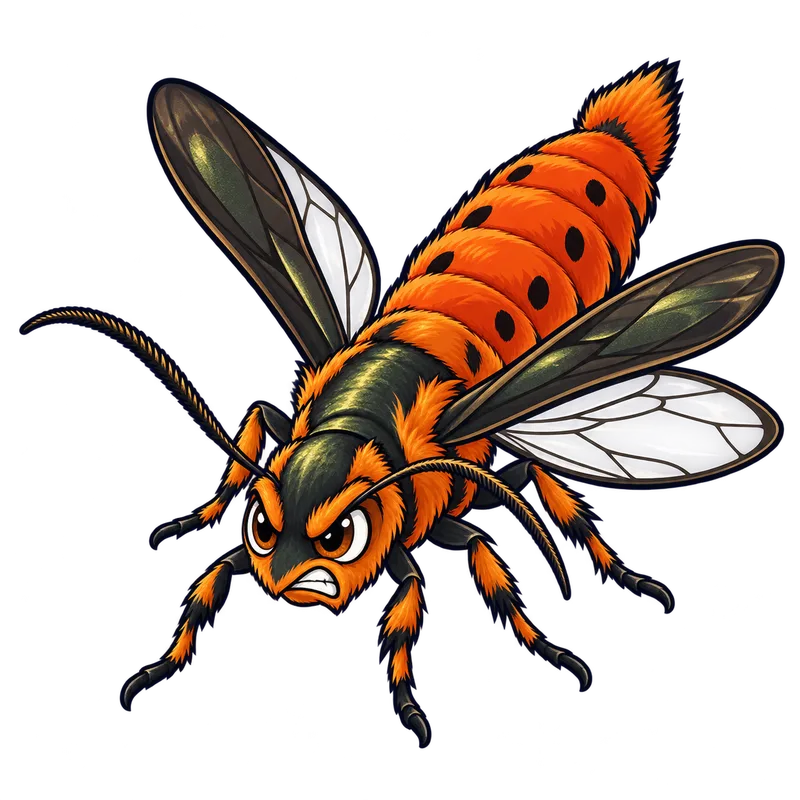
You might wonder why you never see these moths if they are out during the day. They are quick, day-flying clearwing moths with bright orange abdomens that look surprisingly like oversized wasps at a casual glance. They dart low across the canopy, spend just a few seconds tapping their abdomens against the lower stem to anchor a single egg with a fast-drying secretion, and move on to the next plant. Within about a week, the embryo inside that little bronze disk finishes developing, and the tiny caterpillar hatches directly into the plant instead of crawling around on the outside. That is why catching the egg stage is your only real chance to stop the damage before it starts.
How to tell for sure
Finding the right egg on a stem comes down to a few distinct visual cues. A squash vine borer egg is a compressed oval disk with a smooth, slightly dull finish and a deep coppery-brown or dark bronze color. It usually measures about one millimeter across, which makes it look like a miniature sequin or a tiny bronze speck resting right on the plant tissue.
You will usually need to get down on your hands and knees and bring your eyes close to the soil line. Take a smooth kitchen spoon or a blunt garden tool and use it to gently lift heavy, prickly leaves out of the way. Do not bother searching the broad upper leaf blades because the female moth almost never lays her eggs up there. Focus your attention on the ankles of the plant, meaning the basal six inches of the main stem and the undersides of the leaf stalks where they join the main vine.
A common mix-up happens with squash bug eggs, and telling them apart matters. Squash bug eggs are oval, light bronze, and laid in neat, tight clusters of ten to forty, often arranged in a distinct V-shape on the undersides of leaves. Vine borer eggs, by contrast, are flat, darker, and usually scattered singly along the stem. If you spot a neat geometric block of eggs on a leaf, you are dealing with squash bugs, but if you find a solitary, flat copper token glued quietly to the base of the stem near the dirt, that is your vine borer.
What usually comes next
Once you spot that coppery disk sitting right there on the stem, you are looking at a short window of six to eleven days before the egg hatches and the young caterpillar bores directly into the interior plumbing of the plant. Since that hatchling never feeds exposed on the exterior of the vine, contact treatments applied after it emerges will do nothing to stop it.
You can remove the egg physically before it hatches. Reach for a simple household roll of painter's tape or duct tape. Wrap a small loop of the tape around your finger with the sticky side facing outward, and gently press it against the coppery egg disk. The tape acts like a miniature lint roller for your squash stems, lifting the flat egg right off the plant skin without tearing the tender outer layer or scratching the stem tissue. Just peel the tape away and drop it into the household trash. Alternatively, you can put on a pair of gloves and gently scrape or roll the egg off into a small container of soapy water.
If you prefer to prevent the moths from laying eggs in the first place, lightweight floating row covers installed at planting time can physically block them. Just remember that you will need to pull those covers back when the plants start flowering so that native bees and honeybees can pollinate the blossoms.
When to get help
Meditating on a drooping garden plant can test anyone's patience, but most home gardeners can successfully manage egg scouting and manual removal with a bit of focus and a magnifying glass. However, certain situations call for outside expertise.
If your squash plants are wilting rapidly, but a close inspection of the basal stems reveals no entry holes, no mushy insect waste, and no coppery eggs, you might be dealing with a completely different issue. Bacterial wilt transmitted by cucumber beetles or fungal root rots can cause sudden plant collapse that mimics borer damage. In cases where the diagnosis remains unclear, you can clip a symptomatic section of the plant and take it to your local university extension office for diagnostic testing.
Commercial growers or managers of large agricultural plots dealing with heavy infestations should consult local agricultural extension agents regarding regional pest thresholds and licensed pest management options. Because chemical treatments require precise timing and strict adherence to pollinator safety guidelines, any large-scale application of insecticides must be handled by certified professionals who follow current product label directions and state regulations.